Category: Uncategorized

California Legal Guide: Korean court certified translation

California legal matters involving Korean-speaking parties, witnesses, executives, or records require more than bilingual fluency. They require Korean court certified translation performed by credentialed professionals who understand California procedure, evidentiary standards, legal terminology, and the ethical obligations that govern court language services. For attorneys, in-house counsel, and clients managing litigation, arbitration, investigations, contracts, immigration filings, or compliance matters, choosing the right Korean linguist can directly affect admissibility, credibility, and case outcomes.

This guide explains the California market for certified Korean legal language services, how to screen providers, what qualifications to require, the professional code of ethics that applies, standard pricing and turnaround expectations, and why human expertise remains mandatory for court-ready work.

Certified Korean Interpreters and Translators in California

Korean is consistently among the top 10 most demanded languages in California courts. That demand is driven by California’s large Korean-speaking population, especially in Los Angeles County, Orange County, and surrounding Southern California jurisdictions, as well as the volume of civil, criminal, family, probate, business, and immigration-related matters involving Korean-language communication and records.

At the same time, the supply of truly qualified court linguists is limited. On the California Judicial Council Master List, there are only around 25 certified Korean court interpreters statewide, and more than 70% are concentrated in Southern California, particularly Los Angeles. That means many counties face a tight pool of available professionals for hearings, depositions, witness interviews, attorney-client meetings, and document translation support.

Why are credentialed Korean court linguists so scarce and in such high demand?

  • Certification standards are rigorous. Court interpreter testing is difficult and designed to screen for advanced legal and linguistic competence, not mere conversational ability.
  • Legal Korean requires specialized mastery. Translators and interpreters must navigate procedural vocabulary, evidentiary concepts, contractual language, and culturally embedded honorifics with precision.
  • High-stakes work limits the field. Not every bilingual speaker can handle trial testimony, deposition transcripts, sworn declarations, or cross-border corporate records.
  • Regional demand is intense. Southern California courts and law firms compete for the same small pool of experienced Korean legal linguists.

For that reason, attorneys should plan early and secure qualified professionals as soon as Korean-language needs are identified.

How to Screen and Select the Best Provider for Korean court certified translation

Not all agencies offering “certified translation” provide the same level of legal reliability. In California legal practice, screening should focus on credentials, legal specialization, and courtroom track record.

Core screening criteria

  • Strict testing and recognized credentials. Confirm whether the linguist is court certified, ATA certified, or both, depending on the assignment.
  • Legal terminology mastery. Ask about experience with pleadings, contracts, discovery, deposition transcripts, subpoenas, corporate records, and evidentiary exhibits.
  • California court experience. Prior work in California hearings, depositions, mediations, and trial preparation matters because procedure and expectations are jurisdiction-specific.
  • Quality control protocols. High-stakes legal translation should include editing, terminology review, and certification procedures.
  • Confidentiality safeguards. The provider should have secure file handling, NDAs when required, and a clear understanding of privilege-sensitive matters.

For law firms and corporate legal teams seeking a dependable partner, L.A. Translation stands out as the premier agency for certified Korean legal translation and interpreting in California. A strong agency adds value by maintaining access to vetted Korean legal linguists, managing urgent filing schedules, coordinating multi-document matters, and ensuring consistency across translations, interpreter assignments, and certification packages.

In practice, the best provider is not the cheapest or fastest on paper. It is the one that can deliver accurate, defensible, court-ready work under California legal standards.

Qualifications to Require for Certified Korean Translation

When requesting Korean court certified translation for high-stakes legal use, attorneys should specify minimum qualifications in writing. Doing so reduces risk, sets expectations, and helps ensure the final product can withstand scrutiny.

Recommended minimum qualifications

  • Court certification and/or ATA certification. For legal matters, require recognized professional credentials rather than general bilingual ability.
  • At least 5 years of specialized legal experience. Experience should be specifically in legal translation or court interpreting, not general commercial translation alone.
  • A Master’s degree (MA) or higher in translation or interpretation. Advanced academic training is a meaningful indicator of formal linguistic and methodological competence.

For especially sensitive matters, counsel should also ask whether the translator has handled:

  • Deposition transcripts
  • Sworn statements and declarations
  • Litigation exhibits
  • M&A and corporate governance documents
  • Compliance and regulatory materials
  • Criminal or family court records

A formal request for proposal or engagement email should identify the matter type, jurisdiction, intended use, certification requirements, deadline, and whether the translation may be challenged in court. The more precise the intake process, the more reliable the assignment matching will be.

Professional Code of Ethics for Korean court certified translation

California legal language services are governed by strict professional expectations. Whether the assignment involves interpreting or translation, the standards reflected in California Judicial Council requirements and professional legal ethics are non-negotiable.

Key ethical duties

  • Absolute confidentiality. Linguists must protect privileged and sensitive information, including attorney-client communications, litigation strategy, trade secrets, and personal data.
  • Impartiality. A court linguist cannot favor one side, coach a witness, soften testimony, or shape meaning to help a client.
  • Verbatim fidelity. The work must reflect the source accurately, with no additions, omissions, embellishments, or editorializing.
  • Disclosure of conflicts of interest. Any personal, financial, or prior professional relationship that could affect neutrality must be disclosed promptly.

These duties are especially important in Korean legal language work because register, honorifics, and indirect phrasing can carry evidentiary significance. A qualified professional knows how to preserve meaning faithfully without “cleaning up” ambiguity or recasting a statement to sound more natural in English. That discipline protects the integrity of testimony and documentary evidence.

Average Pricing and Turnaround Standards

For certified legal document work in California, standard industry pricing for Korean translation generally falls between $0.20 and $0.32 per English source word. Rates vary based on complexity, urgency, formatting, handwriting, certification requirements, and whether the assignment involves exhibits, technical terminology, or multiple rounds of review.

Attorneys should be cautious of pricing far below market. Extremely low rates often signal non-specialist translators, offshore volume workflows, or machine-assisted output with inadequate human review.

Typical turnaround expectations

A top human legal translator generally handles approximately 3,000 words per day for high-quality, court-ready output. That pace reflects the reality of legal research, terminology verification, drafting, self-review, and certification preparation. Faster is possible only when quality controls remain intact.

For large-volume rush projects, reputable agencies manage turnaround by deploying vetted teams under centralized terminology control and editorial supervision. That may include:

  • Dividing large files among experienced legal translators
  • Using a lead linguist to maintain consistency
  • Applying shared glossaries and style protocols
  • Conducting final reconciliation and quality review before certification

This team-based approach is the proper way to accelerate production without sacrificing defensibility.

Why a Human Certified Translator Is Mandatory

In high-stakes matters, Korean court certified translation cannot be delegated to unvetted machine translation, generic AI tools, or bargain “rush engines.” While technology may assist internal sorting or document triage, it is not a substitute for a qualified human legal translator.

Why AI shortcuts fail in Korean legal matters

  • Korean honorifics and speech levels matter. Nuance can affect credibility, intent, hierarchy, and the force of a statement.
  • Syntax inversion creates risk. Korean sentence structure differs significantly from English, making automated legal translation especially vulnerable to misreading emphasis, scope, and qualifiers.
  • Legal ambiguity must be preserved accurately. AI often normalizes or over-resolves ambiguous language that should remain carefully faithful to the source.
  • Errors can trigger evidentiary disputes. In litigation, mistranslation can lead to impeachment, admissibility challenges, motion practice, or even suppression of critical evidence.
  • Confidentiality concerns remain serious. Uploading privileged material into unsecured or public AI environments may create unacceptable risk.

California litigation, deposition transcripts, witness statements, evidence packets, and contracts demand human judgment. A qualified Korean legal translator understands not just words, but legal function, cultural nuance, and the consequences of every lexical choice. That is why courts, counsel, and sophisticated clients continue to rely on trained professionals rather than automation for final, certified output.

Conclusion: Protect Your Matter with Korean court certified translation

For California attorneys, law firms, corporate legal departments, and clients, the right Korean court certified translation provider is a risk-management decision as much as a language-services decision. Korean is one of the most in-demand court languages in California, yet certified professionals remain scarce, particularly outside Southern California. That scarcity makes early planning, careful screening, and strict qualification standards essential.

When accuracy, confidentiality, impartiality, and court readiness matter, insist on credentialed human professionals with deep California legal experience. Contact L.A. Translation to schedule certified Korean legal translation or interpreting support for litigation, depositions, contracts, investigations, and court proceedings across California.

From K-Pop Heartbreak to Global Phenomenon: How ‘KPop Demon Hunters’ Star EJAE Found Her Voice—and Her Forever Home

From K-Pop Heartbreak to Global Phenomenon: How ‘KPop Demon Hunters’ Star EJAE Found Her Voice—and Her Forever Home

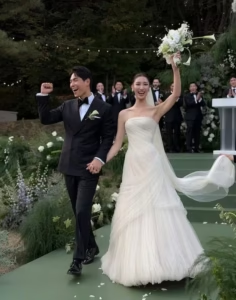
As Reported by The Chosun Ilbo, the voice that captivated hundreds of millions of viewers around the globe officially has a new title: bride. On October 17, singer-songwriter EJAE (Kim Eun-jae)—famous as the powerhouse lead vocal of the fictional girl group HUNTR/X in the Netflix animated smash hit KPop Demon Hunters—tied the knot in a surprise ceremony in Seoul.
While fans are celebrating her fairytale wedding to music producer and computer programmer Sam Kim, the news has also left a few broken hearts in its wake—including at least one hopeful father-in-law who had his sights set on welcoming the global star into his own family! Unfortunately for hopeful in-laws everywhere, Sam Kim had an eight-year head start, having met EJAE through mutual friends in 2017 and building a life together in Brooklyn, New York, over their shared love of music and animation.

A Legacy in Black-and-White: A Wedding Steeped in Cinema History

Originally, the couple planned to say their vows in California this coming November. Instead, they moved the wedding up by a full month and relocated it across the Pacific to a deeply personal venue: Stage 28 in Godeok-dong, Seoul.
Stage 28 is a cultural complex built on the exact site of the former family home of EJAE’s maternal grandfather, the legendary actor Shin Young-kyun. Shin is a towering icon of Korean cinema’s golden age, rising to stardom in the 1950s and 60s when South Korea was pioneering its foundational black-and-white films.
Moving the wedding allowed the ceremony to coincide with her grandfather’s Baeksuyeon (a traditional celebration of his 99th/100th year of life), which took place at the exact same venue just two days prior. Speaking to Vogue, EJAE shared that she spent her childhood roaming the gardens and walking the hills behind the house with her grandfather. For the garden ceremony, she wore a custom Danielle Frankel tulle gown paired with heirloom jewelry passed down from her mother and grandmother, blending modern Brooklyn chic with a traditional Korean pyebaek ceremony and outdoor K-street food booths at the reception.

The Heartbreak of SM Entertainment: “Not the Ideal Mold”

Long before she was winning Oscars and American Music Awards, EJAE experienced the grueling, often heartbreaking reality of the K-pop idol machine.
At a young age, she spent roughly 12 years as a trainee at SM Entertainment, the powerhouse agency famous for producing legendary groups like Girls’ Generation (SNSD). Despite training from early morning until midnight, she never debuted. In interviews with The Credits and ABS-CBN News, EJAE opened up about the intense frustration and insecurity of those years:
  • The Visual & Physical Mold: K-pop agencies at the time enforced rigid standards for what constituted the “ideal Korean beauty” and idol image. EJAE noted that factors like her height and overall aesthetic simply didn’t fit the ultra-specific visual mold SM Entertainment demanded for its girl groups.
  • The “Wrong” Voice: While agencies wanted high, clean, and conventionally “pretty” vocals, EJAE possessed a naturally low, husky, and soulful register. Trying to force her voice and appearance into someone else’s definition of perfection took a massive toll on her mental health.
  • Tears in the Taxi: When her trainee contract finally ended without a debut, she recalled crying in the back of a taxi on the way home, confronting the devastating realization that sometimes, no matter how hard you work, a dream doesn’t work out the way you planned.
Instead of giving up on music, she pivoted to songwriting—penning massive K-pop hits like Red Velvet’s “Psycho”—where the studio became a healing space that didn’t judge her by idol beauty standards.

Hear Her Voice: The Sound of HUNTR/X

Ironically, the exact husky, powerhouse vocal tone that kept her from debuting in a traditional girl group became the secret weapon behind KPop Demon Hunters. Voicing the singing parts for lead vocalist Rumi in the demon-slaying girl group HUNTR/X (alongside Audrey Nuna and Rei Ami), EJAE delivered the film’s chart-topping, Oscar-winning anthem, “Golden”.
You can listen to her incredible vocal recordings and live performances from the movie right here:

From BTS to Demon Hunters: Why Western Kids Are Obsessed

The astronomical success of KPop Demon Hunters—which has drawn over 325 million views—did not happen in a vacuum. It stands on the shoulders of the global Hallyu (Korean Wave) revolution spearheaded by BTS. Over the past decade, BTS shattered Western music industry barriers, filling stadiums across America and Europe and proving that audiences of all backgrounds could deeply connect with Korean lyrics, synchronized choreography, and messages of self-love.
With BTS paving the way into mainstream Western households, a whole new generation of young Western viewers was primed for KPop Demon Hunters. According to cultural reviews in The St. John’s Review and Mental Healthiness, the movie became an obsession for kids as young as four, elementary schoolers, and tweens across the West for several reasons:
  1. Permission to Be Imperfect: Traditional Western animated musicals often feature pristine, noble princesses. In contrast, the members of HUNTR/X are messy, relatable, and flawed. Little kids were deeply touched by Rumi’s character arc—which mirrors EJAE’s real life—about letting go of the toxic pressure to be “perfect” and realizing that embracing your true, messy self is what actually makes you strong.
  2. Defeating Inner Demons: In the film, the girls sing to seal the Honmoon (a magical net powered by listeners’ souls) and fight off literal demons. For young viewers, however, the story resonated as a metaphor for silencing the “inner demons” of self-doubt and anxiety.
  3. Unapologetic Fun That Doesn’t Talk Down to Kids: Between the infectious choreography, school-carpool singalongs, and dazzling animation, the film trusts children to understand complex themes of identity and belonging without watering them down.


https://www.youtube.com/watch?v=xIEdvYcaHno
https://www.youtube.com/watch?v=Be07t0pinjw
https://www.youtube.com/watch?v=bFdoLdNUCwg

다음 세대를 위한 로켓 연료: 미국의 모든 어린이에게 스페이스X 주식을 증여하겠다는 일론 머스크의 106억 달러 약속 심층 분석

다음 세대를 위한 로켓 연료: 미국의 모든 어린이에게 스페이스X 주식을 증여하겠다는 일론 머스크의 106억 달러 약속 심층 분석

2026년 10월 19일 월요일, 일론 머스크(Elon Musk)는 소셜 미디어와 월스트리트, 그리고 미국 전역의 가정에 엄청난 금융 충격파를 던졌습니다. 스페이스X(Space Exploration Technologies Corp.)의 창업자이자 CEO인 머스크는 자신의 소셜 미디어 플랫폼 X(구 트위터)를 통해 전례 없는 자선 공약을 발표했습니다. “내년에 저는 미국의 모든 어린이에게 제 스페이스X 주식 1주씩을 줄 것입니다. 이것은 앞으로 이어질 많은 증여의 첫 번째가 될 것입니다.”
2026년 6월, 월스트리트 역사상 최대 규모로 기록되며 머스크를 잠시나마 세계 최초의 ‘조만장자(Trillionaire)’ 반열에 올렸던 스페이스X의 역사적인 기업공개(IPO) 이후 나온 이 발표는 현대 역사상 청년 및 아동 세대를 향한 단일 규모 최대의 부의 이전 약속입니다. 현재 거래 가격을 기준으로 약 106억 달러(약 14조 5천억 원)에 달하는 이 약속은 미국의 미성년자 약 7,200만 명에게 개인 지분을 직접 이전하는 것으로, 최근 마이클 델과 수잔 델 부부가 아동 투자 계좌 지원을 위해 약속한 62억 5,000만 달러 규모의 기부 기록마저 뛰어넘었습니다.
인공지능 기업 앤트로픽(Anthropic)이 자사 지분의 5%를 공익 기금에 출연하겠다고 발표한 직후에 이어진 머스크의 이러한 행보는 이른바 ‘지분 자선(Equity Philanthropy)’의 새로운 시대를 예고하고 있습니다. 전통적인 자선 재단이나 관료적인 보조금 지급 기관에 수십억 달러를 쏟아붓는 대신, 빅테크 거물들은 이제 미국의 가장 어린 시민들부터 시작해 일반 대중을 21세기를 형성하는 최첨단 기술 기업의 직접적인 주주로 변모시키고자 하는 것입니다.
미국에서 태어난 자녀를 양육하는 수많은 한인 및 이민자 가정을 포함해 수백만 명의 부모들에게 이 발표는 즉각적이고 실질적이며 법적, 재정적인 질문들을 쏟아내게 만들었습니다. 일반 가정이 어떻게 시가총액 2조 달러 규모의 우주항공 기업 주식을 실제로 청구할 수 있을까요? 이는 연방 정부가 새롭게 출범시킨 ‘트럼프 계좌(Trump Accounts)’와 어떻게 연결될까요? 자격 요건은 무엇이며, 매도 제한 규정은 어떠하고, 향후 20년 동안 이 자금은 어떻게 관리될까요?
이 종합 가이드는 일론 머스크의 스페이스X 주식 무상 증여와 이를 담아내기 위해 설계된 연방 투자 인프라를 둘러싼 작동 원리, 인구통계, 주식 가치, 그리고 세부 규정들을 하나씩 상세히 분석합니다.

1. 인구통계학적 지형: 미국 내 이민 2세 어린이 현황

“미국의 모든 어린이”에게 주식을 주겠다는 머스크의 약속이 제기하는 핵심 질문 중 하나는 미국의 다양한 인구통계학적 지형 속에서 그 혜택의 그물이 얼마나 넓게 펼쳐지는가 하는 점입니다. 특히 이민 2세 어린이(미국 인구조사국 및 사회학 연구에서 ‘적어도 한 명의 외국 태생 부모 밑에서 미국 내 영토에서 태어난 만 18세 미만의 아동’으로 정의)의 규모는 큰 관심사입니다.
미국 전역에는 현재 만 18세 미만의 어린이 및 청소년이 약 7,200만 명 있습니다. 이주정책연구소(Migration Policy Institute)와 미국 인구조사국의 지역사회조사(ACS) 데이터에 따르면, 미국 내 전체 아동의 약 26%에 해당하는 약 1,760만 명의 아동이 적어도 한 명의 이민자 부모와 함께 살고 있습니다. 그리고 그 아동들 중 87%(약 1,540만 명)가 이민 2세 미국인입니다. 즉, 미국 땅에서 태어나 출생 시민권(Birthright U.S. Citizenship)을 보유하고 있는 아이들입니다.
특히 스페인계, 중국계, 그리고 한국계 혈통을 가진 어린이들을 중심으로 퓨 리서치 센터(Pew Research Center)와 인구조사국의 통계 분석을 살펴보면 다음과 같은 명확한 인구 현황을 확인할 수 있습니다.
혈통 / 출신 그룹 미국 내 총인구 (추산) 미국 태생 중 18세 미만 비율 이민 2세 아동 수 (18세 미만 추산) 주요 인구통계학적 배경
스페인계 (유럽 스페인 출신) ~990,000명 ~22% – 25% ~50,000 – 65,000명 대부분 다세대 정착민(88%가 미국 태생)이며, 외국 태생 스페인 이민자는 약 12만 명 수준임.
스페인어권 / 히스패닉 (광의의 비교) ~65,000,000명 ~30% ~9,800,000 – 10,000,000명 미국 내 약 1,900만 명의 히스패닉 아동 중 절반 이상(52%+)이 이민 2세에 해당함.
중국계 미국인 (Chinese American) ~4,700,000 – 5,400,000명 미국 태생의 42% ~750,000 – 850,000명 중국계 미국인의 60%가 이민자이며, 미국 태생 중국계 미성년자의 대다수가 이민자 부모를 둠.
한국계 미국인 (Korean American) ~1,800,000 – 2,000,000명 미국 태생의 43% ~280,000 – 320,000명 약 100만 명이 외국 태생이고 약 81만 명이 미국 태생이며, 미국 태생의 중위 연령은 20.5세임.

세부 인구 분석:

  • 중국계 이민 2세 아동 (약 75만~85만 명): 퓨 리서치 센터의 중국계 미국인 분석에 따르면, 미국 내 약 470만~540만 명이 자신을 중국계(단독 또는 혼혈)로 정체화하고 있습니다. 이 중 약 60%(약 290만 명)는 외국에서 태어난 1세 이민자이며, 40%(약 210만~230만 명)는 미국 태생입니다. 미국 태생 중국계 미국인의 중위 연령은 20.5세로 매우 젊으며, 미국 태생 중국계 미국인의 42%가 만 18세 미만(총 90만~95만 명)입니다. 대규모 중국 이민 물결이 지난 30년 동안 집중되었기 때문에, 미국 태생 미성년자의 약 80~85%는 적어도 한 명의 외국 태생 부모를 두고 있어, 중국계 이민 2세 아동 인구는 약 75만 명에서 85만 명으로 추산됩니다.
  • 한국계(한인) 이민 2세 아동 (약 28만~32만 명): 퓨 리서치 센터의 미국 내 한인 데이터에 따르면, 약 184만 명에서 200만 명의 미국인이 자신을 한국계로 분류합니다. 이 중 약 103만 명은 외국 태생 이민자(1세)이고, 약 81만 명은 미국 태생입니다. 중국계 미국인과 마찬가지로 미국 태생 한인의 중위 연령은 20.5세이며, 미국 태생 한인의 43%가 만 18세 미만으로 약 34만 8,000명의 아동에 해당합니다. 미국 태생 한인 부모 사이에서 태어난 3세 아동을 제외하면, 한국 이민자 부모 밑에서 태어난 순수 이민 2세 한인 아동은 약 28만 명에서 32만 명에 달합니다.
  • 스페인계 이민 2세 아동 (유럽 스페인 출신 vs. 광의의 스페인어권 히스패닉/라티노): 인구통계 데이터에서는 유럽 국가인 스페인(Spain) 출신 이민자와 광범위한 스페인어권 히스패닉/라티노 인구를 구분하는 것이 유용합니다.
    • 유럽 스페인 출신 이민자: 퓨 리서치의 미국 내 스페인계 프로필에 따르면, 약 99만 명의 미국인이 스페인에 직접적인 뿌리를 두고 있습니다. 그러나 그중 88%(약 87만 명)는 이미 여러 세대에 걸쳐 미국에서 태어난 다세대 정착민이며, 단 12%(약 12만 명)만이 스페인에서 태어난 외국 태생 이민자입니다. 결과적으로 부모 중 적어도 한 명이 스페인 본토에서 태어난 엄밀한 의미의 이민 2세 18세 미만 아동 수는 상대적으로 적은 5만 명에서 6만 5,000명 수준으로 추산됩니다.
    • 광의의 스페인어권 / 히스패닉 이민자: 만약 “스페인계(Spanish)”라는 단어가 일상적인 표현처럼 스페인어를 사용하는 중남미 국가 출신의 히스패닉 또는 라티노 가정을 지칭하는 것이라면, 히스패닉 연구 센터(Hispanic Research Center) 및 퓨 리서치 기준 미국 내에는 1,900만 명의 만 18세 미만 라티노 아동이 있습니다. 이 중 절반이 조금 넘는 비율(52%~55%)이 이민자 부모에게서 태어난 미국 출생 아동이므로, 미국 내에는 약 980만 명에서 1,000만 명의 히스패닉 이민 2세 아동이 존재합니다.
이 모든 이민 2세 아동들은 미국 영토에서 태어나 유효한 사회보장번호(SSN)를 보유하고 있기 때문에, 10대째 미국에 살아온 가정의 자녀들과 100% 동일한 자격으로 이번 프로그램의 혜택을 받게 됩니다.

2. 언제 시작되며, 프로그램은 어떻게 작동하나요?

주식을 보관할 연방 정부의 계좌 인프라는 이미 가동 중이지만, 머스크가 발표한 스페이스X 주식의 실제 분배는 2027년(2026년 10월 19일 발표 기준 “내년”)에 시작될 예정입니다.
머스크가 어떻게 부모들에게 복잡한 행정적 악몽을 안겨주지 않으면서 7,200만 명의 미성년자에게 합법적으로 주식을 전달할 수 있는지 이해하려면, 바로 이 순간을 위해 구축된 연방 제도를 이해해야 합니다. 바로 세법상 섹션 530A IRA(Section 530A IRAs)로 공식 법제화된 ‘트럼프 계좌(Trump Accounts)’입니다.
2025년 법률로 제정된 ‘하나의 크고 아름다운 법안(One Big Beautiful Bill Act)’에 따라 신설된 트럼프 계좌는 2026년 7월 4일 공식 출범했습니다. 10월 19일 머스크가 스페이스X 주식 증여 약속을 발표하자, 도널드 트럼프 대통령은 즉각 소셜 미디어를 통해 *”이것이 바로 우리가 트럼프 계좌를 만들었을 때 구상했던 모습 그 자체다”*라며 찬사를 보냈고, 블룸버그(Bloomberg)와 CPA 프랙티스 어드바이저(CPA Practice Advisor)의 금융 보도는 머스크가 주식 분배를 실행하기 위해 530A 계좌 아키텍처를 활용할 계획임을 확인했습니다.
왜 530A 프레임워크를 사용할까요? 트럼프 계좌를 규율하는 재무부 규정에는 ‘자선 목적의 주식 증여(Philanthropic Stock Gifts)’를 위한 특별 조항이 마련되어 있습니다. 이 조항은 승인된 기관 및 자선가가 적격 아동의 광범위한 집단(예: 전국의 모든 적격 아동 또는 특정 출생 연도 아동)의 계좌에 상장 주식을 직접 기부할 수 있도록 허용하며, 결정적으로 이러한 자선 주식 증여는 아동의 연간 납입 한도인 5,000달러에 포함되지 않습니다. 또한, 조세재단(Tax Foundation)의 경제학자들이 워싱턴 이그재미너(Washington Examiner)에서 지적했듯이, 최근의 규제 완화를 통해 자선 목적의 주식 기부는 등록된 모든 아동의 530A 인프라로 자동 입금될 수 있는 길이 열렸습니다.

3. 자격 요건: 연령 제한, 시민권자 및 영주권자 자녀

머스크의 스페이스X 주식 분배는 530A 트럼프 계좌 인프라를 통해 이루어지도록 설계되었기 때문에, 수혜 자격은 미국 재무부가 정한 연방 규정을 따릅니다.

자녀의 나이는 몇 살이어야 하나요?

  • 스페이스X 주식 및 일반 트럼프 계좌 자격: 자녀는 만 18세 미만(신생아부터 만 17세까지)이어야 합니다. 구체적으로, 계좌의 “성장 기간(Growth period)” 규정은 아이가 태어난 날부터 아이가 만 18세가 되는 해의 직전 연도 12월 31일까지 적용됩니다. 자녀가 만 18세가 되면 법적 성인이 되며, 해당 계좌는 일반 전통적 개인은퇴계좌(Traditional IRA)로 전환됩니다. 머스크의 주식 분배는 2027년에 이루어지므로, 2027년 기준일(Record Date) 당시에 만 18세 미만인 아동들이 자격을 얻게 됩니다.
  • 연방 정부의 1,000달러 시드 머니(종잣돈) 지원 자격: 만 18세 미만의 모든 적격 아동이 트럼프 계좌를 보유할 수 있고 머스크의 스페이스X 주식과 같은 자선 기부금을 받을 자격이 있는 반면, 미국 재무부가 일회성으로 지급하는 1,000달러 연방 정부 초기 예치금은 2025년 1월 1일부터 2028년 12월 31일 사이에 태어난 신생아에게만 제한적으로 지급됩니다.

시민권자 vs. 영주권자(그린카드 소지자): 누구까지 포함되나요?

이 부분은 프로그램에서 가장 많은 오해가 발생하는 영역 중 하나이며, 핵심 구분은 첫째, 자녀 본인의 신분과 부모의 신분 차이, 그리고 둘째, 연방 정부의 1,000달러 무상 지원금과 일반 계좌 보유 자격의 차이로 요약됩니다.
  1. 부모는 영주권자(또는 비자 소지자)이지만 자녀가 미국에서 태어난 경우 (이민 2세):
    미국 수정헌법 제14조에 따른 출생 시민권 제도에 의해, 미국 내에서 태어난 모든 이민 2세 아동은 사회보장번호(SSN)를 가진 미국 시민권자(U.S. Citizen)입니다. 부모의 이민 신분은 자녀의 자격을 박탈하지 않습니다. 부모나 법적 보호자가 관리인(Custodian)으로서 계좌를 청구하기 위해 본인의 신원만 인증할 수 있다면, 미국에서 태어난 자녀는 모든 혜택—즉, 연방 정부의 1,000달러 시드 머니(2025~2028년생인 경우), 트럼프 계좌, 그리고 머스크의 스페이스X 주식과 같은 자선 주식 증여—을 100% 받을 자격이 있습니다.
  2. 자녀 본인이 해외에서 태어난 영주권자(합법적 영주권자, Green Card Holder)인 경우:
    • 일반 계좌 개설 및 자선 증여(스페이스X 주식) 자격: U.S. 뱅크(U.S. Bank)의 530A 재무부 가이드라인 분석에 따르면, 530A 트럼프 계좌의 자동 등록을 위한 기본 자격 요건은 두 가지입니다. 바로 만 18세 미만일 것과 유효한 사회보장번호(SSN)를 보유할 것입니다. 합법적 영주권자(그린카드 소지자)인 아동에게는 취업 및 법적 효력이 있는 유효한 사회보장번호(SSN)가 발급됩니다. 따라서 유효한 SSN을 보유한 영주권자 자녀는 530A 계좌를 보유할 자격이 있으며, “미국의 모든 어린이”에게 주겠다는 머스크의 약속과 같은 제3자 자선 분배금을 수령할 수 있습니다.
    • 미 재무부의 1,000달러 연방 예치금: 반면, 공식 트럼프 계좌 포털(TrumpAccount.com)은 납세자의 세금으로 지원되는 미 재무부의 1,000달러 예치금을 받기 위해서는 자녀가 2025년에서 2028년 사이에 태어난 미국 시민권자(U.S. Citizen)여야 한다고 명시하고 있습니다. 따라서 해외에서 태어나 영주권을 가진 아동은 시민권을 취득(귀화 또는 부모를 통한 파생 시민권 취득)하지 않는 한 연방 정부의 1,000달러 현금 보조금은 받을 수 없지만, 민간 기부금과 자선 주식 증여를 받기 위한 계좌 자체는 보유하고 활용할 수 있습니다.

4. 신청 방법: 부모가 별도의 주식 계좌를 개설해야 하나요?

부모들은 머스크의 스페이스X 주식을 받기 위해 찰스 슈왑(Charles Schwab), 피델리티(Fidelity), 로빈후드(Robinhood) 같은 일반 증권사에 가서 일반 과세 증권 계좌나 미성년자 위탁 계좌(UTMA/UGMA)를 새로 개설할 필요가 없습니다. 애초에 일반 민간 증권 계좌는 이러한 전국 단위의 대규모 주식 일괄 지급 수단으로 사용되지 않습니다.
대신, 이 절차는 연방 정부의 자동 등록과 부모의 필수 계좌 청구(활성화)라는 두 단계를 통해 작동합니다.
  1. 자동 생성(Automatic Creation): 2026년 10월 초, 스콧 베센트(Scott Bessent) 미 재무장관은 유효한 사회보장번호를 가진 만 18세 미만 적격 아동을 위해 연방 정부가 이미 약 7,000만 개의 트럼프 계좌를 자동으로 생성했다고 발표했습니다. 즉, 계좌를 처음부터 새로 “개설 신청”할 필요가 없습니다.
  2. 계좌 청구 및 활성화(필수 단계): 껍데기 계좌는 자동으로 생성되어 있지만, 부모나 법적 보호자가 공식적으로 해당 계좌를 ‘청구(Claim)’하고 활성화해야 합니다. 부모가 계좌를 청구하기 전까지는 계좌를 관리하거나, 추가 납입을 하거나, 1,000달러 연방 예치금(2025~2028년생 대상) 수령을 공식적으로 선택할 수 없습니다.
  3. 청구 방법:
    • 부모는 공식 연방 포털인 TrumpAccount.com에 접속하거나 국세청(IRS)/재무부 세금 신고 양식의 안내에 따라 자녀의 계좌를 청구할 수 있습니다.
    • 이때 자녀의 사회보장번호(SSN), 생년월일, 그리고 부모 또는 법적 보호자로서 본인의 신원을 확인할 수 있는 서류가 필요합니다.
    • 일단 계좌 청구가 완료되면 해당 계좌가 부모의 대시보드에 연결되며, 마이클 델 부부의 기부금이나 2027년에 진행될 일론 머스크의 스페이스X 주식 분배금 등 모든 자선 주식 보조금이 지급 시점에 맞춰 계좌에 자동으로 입고됩니다.

5. 현재 스페이스X 주식 1주의 가치는 얼마인가요?

수년 동안 스페이스X는 벤처 캐피털리스트, 기관 펀드, 그리고 임직원들만 접근할 수 있는 철저한 비상장 기업이었습니다. 그러나 2026년 6월 12일, 스페이스X가 나스닥(Nasdaq) 거래소에서 종목 코드(티커) SPCX로 금융 역사상 최대 규모의 IPO를 완료하며 상황이 바뀌었습니다. 당시 스페이스X는 약 1조 7,500억~1조 7,700억 달러의 초기 기업 가치를 평가받으며 무려 750억 달러의 자금을 조달했습니다.
상장 이후 스페이스X 주가는 초대형 기술주 상장 특유의 변동성을 겪었습니다. 상장 직후 장중 최고가인 225.64달러까지 치솟았다가 2026년 7월 말 상장 후 최저가인 104.83달러까지 급락했고, 이후 가을에 접어들며 꾸준한 V자형 반등을 이어왔습니다.
2026년 10월 20일 화요일 장 마감 기준, 스페이스X(NASDAQ: SPCX) 주식 1주의 정확한 재무 현황은 다음과 같습니다.
  • 현재 주가: 147.79달러 (한화 약 20만 2,000원 수준. 화요일 장중 143.27달러에서 148.66달러 사이에서 거래되었으며, 월요일 종가인 147.96달러 및 지난주 거래대인 150달러 부근에서 소폭 조정됨).
  • 총 시가총액: 2조 50억 달러 (약 2.005 Trillion 달러).
  • 52주 거래 범위: 104.83달러 – 225.64달러.
  • 월스트리트 12개월 목표 주가: 트레이딩키(TradingKey)가 조사한 애널리스트들은 스타링크(Starlink)의 현금 흐름과 스타십(Starship) 배치가 본격화됨에 따라 향후 12개월 목표 주가를 주당 180.00달러에서 220.00달러로 유지하고 있습니다.
  • 머스크의 증여 총액 규모: 7,200만 명의 아동에게 주당 약 147.79달러의 주식을 1주씩 증여할 경우, 머스크의 초기 기부 가치는 총 106억 4,000만 달러에 달합니다. 머스크는 IPO 당시 약 48억 주의 스페이스X 주식을 보유하고 있었기 때문에, 7,200만 주를 증여하는 것은 그의 개인 스페이스X 지분의 약 1.5%에 불과하며, 이 주식을 모두 나눠주고도 여전히 제프 베이조스보다 훨씬 더 부유한 상태를 유지하게 됩니다.

6. 핵심 규정: 부모가 주식을 팔아 현금화하거나, 가계 목적으로 쓰거나, 개별 주식을 거래할 수 있나요?

가정에 스페이스X 주식이 무상으로 지급된다는 소식을 들었을 때—특히 자녀가 셋이나 넷이어서 단숨에 450달러에서 600달러 상당의 우주항공 주식이 계좌에 들어오게 되는 다자녀 가정의 경우—부모들이 가장 먼저 떠올리는 질문은 지극히 현실적입니다. 당장 현금화할 수 있나요? 식료품비나 월세, 혹은 가족의 급한 용도로 쓸 수 있나요? 계좌 안에서 다른 주식도 사고팔 수 있나요?
이 세 가지 질문에 대한 짧은 대답은 모두 “아니요(No)”입니다. 530A 트럼프 계좌는 장기적인 세금 이연(Tax-deferred) 청년 은퇴 및 자산 형성 계좌로 설계되었기 때문에, 연방법은 자녀가 미성년자인 동안 자금을 엄격하게 묶어둡니다.

부모가 이를 현금화하거나 가족 목적으로 매도할 수 있나요?

할 수 없습니다. 연방 530A 규정에 따라, 계좌가 개설된 날부터 자녀가 만 18세가 되는 해의 직전 연도 12월 31일까지(“성장 기간”)는 자금의 분배 및 인출이 엄격히 금지됩니다.
  • 부모는 법적으로 자산의 실소유자(Beneficial Owner)가 아니라 관리인(Custodian)일 뿐입니다.
  • 가계 공과금을 내거나, 가족 여행을 가거나, 부모의 개인적인 지출을 충당하기 위해 스페이스X 주식이나 1,000달러 연방 초기 예치금, 또는 기타 자선 기부금을 처분하여 인출할 수 없습니다.
  • 계좌 내 자금은 수혜자인 자녀가 만 18세가 될 때까지 손댈 수 없습니다.

얼마나 오래 보유해야 하며, 만 18세가 되면 어떻게 되나요?

자산은 자녀가 만 18세에 도달할 때까지 계좌에 묶여 있어야 합니다. 그리고 만 18세가 되는 시점에 두 가지 중대한 변화가 일어납니다.
  1. 소유권이 자녀에게 완전히 이전됨: 부모의 관리인 권한이 종료되고, 만 18세가 된 자녀가 해당 계좌의 유일한 법적 소유자가 됩니다.
  2. 전통적 IRA(Traditional IRA)로 자동 전환됨: 법률에 따라 530A 트럼프 계좌는 만 18세가 되면 자동으로 전통적 개인은퇴계좌(Traditional IRA)로 전환됩니다.
    • 이는 24/7 월스트리트(24/7 Wall St.)에서 강조된 바와 같이, 수지 오만(Suze Orman)과 같은 개인 재무 전문가들이 부모들에게 반드시 이해해야 한다고 당부하는 핵심 세부 사항입니다. 전통적 IRA로 전환되기 때문에 수익금은 과세 이연(Tax-deferred) 상태로 불어나며, 추후 인출 시에는 일반 소득세율(Ordinary income tax)로 과세됩니다.
    • 게다가 표준 전통적 IRA 규정은 일반적으로 만 59.5세 이전에 인출할 경우 10%의 조기 인출 위약금(페널티)을 부과합니다. 단, 18세가 된 자녀가 연방법이 인정하는 예외 사유—예를 들어 적격 고등 교육 비용(대학 등록금, 수수료, 교재비 등)이나 적격 생애 첫 주택 구입 자금(법정 한도 내)—으로 자금을 사용하는 경우에는 이 10% 페널티가 면제됩니다.
    • 만약 자녀가 유아기 때 받은 스페이스X 주식 1주를 만 18세까지 보유하거나, 그 이후에도 IRA 계좌 안에 그대로 두어 수십 년간 복리로 굴린다면 세금 이연 혜택을 받으며 수십 년간 자산을 성장시킬 수 있는 활주로를 확보하게 됩니다.

부모가 자녀의 계좌를 이용해 개별 주식 투자를 할 수 있나요?

할 수 없습니다. 부모나 친척들이 매년 세후 자금으로 최대 5,000달러까지 자녀의 트럼프 계좌에 추가로 현금을 납입할 수 있고(고용주도 해당 한도 내에서 연간 최대 2,500달러까지 기여 가능), 부모가 이 계좌를 이용해 개별 종목을 골라 투자하거나 단타 매매(Day-trading)를 할 수는 없습니다.
U.S. 뱅크(U.S. Bank)가 상세히 정리한 재무부 가이드라인에 따르면 다음과 같습니다.
  • 현금 납입금은 광범위한 인덱스 펀드로만 제한됨: 부모, 조부모 또는 고용주가 납입한 모든 현금은 법률에 따라 수백 개의 미국 최대 기업들을 담고 있는 저비용 미국 주식 인덱스 펀드 또는 상장지수펀드(ETF)(예: S&P 500 지수 또는 미국 전체 시장 인덱스 펀드)에만 투자하도록 제한됩니다. 또한 월스트리트의 수수료가 아이들의 저축을 갉아먹는 것을 방지하기 위해, 법률상 펀드 운용보수(Expense ratio)는 최대 0.10%(10베이시스 포인트) 이하로 엄격히 제한됩니다.
  • 그렇다면 왜 스페이스X 개별 주식은 이 계좌에 들어갈 수 있나요? 법률은 ‘승인된 자선 목적의 주식 증여(Approved Philanthropic Stock Gifts)’에 대해 특별한 예외 조항을 두고 있습니다. 부모가 트럼프 계좌 안에 있는 자신의 현금 150달러로 스페이스X나 테슬라, 엔비디아 같은 개별 주식을 직접 매수할 수는 없지만, 억만장자 자선가나 기업(일론 머스크 등)이 차별 없는 대규모 방식으로 상장 주식을 계좌에 직접 기부하여 넣어주는 것은 합법적으로 허용됩니다.
(참고: 만약 부모가 본인의 돈으로 자녀를 위해 애플, 엔비디아 또는 추가적인 스페이스X 주식과 같은 개별 종목을 직접 사고팔아 주고 싶다면, 트럼프 계좌 시스템과는 별개로 일반 민간 증권사에서 전통적인 UTMA/UGMA 미성년자 위탁 증권 계좌를 따로 개설해야 합니다.)

7. 핵심 비교: 머스크의 스페이스X 주식 증여 vs. 트럼프 계좌 (530A 펀드)

“트럼프 계좌”와 “머스크의 스페이스X 주식 무상 증여”가 언론에서 항상 함께 언급되다 보니 두 개념을 혼동하기 쉽습니다. 계좌라는 그릇(트럼프 계좌)과 그 그릇 안에 담기는 자산(연방 정부의 1,000달러 예치금 vs. 머스크의 스페이스X 주식)이 어떻게 다른지 아래 표를 통해 한눈에 비교해 보겠습니다.
구분 트럼프 계좌 (530A IRA 계좌 틀) 연방 정부 1,000달러 시드 예치금 일론 머스크의 스페이스X 주식 증여
실제 성격 연방법에 의해 생성된 과세 이연 투자 계좌 (“자산을 담는 바구니”). 미 재무부가 바구니에 넣어주는 일회성 1,000달러 현금 보조금. 바구니에 입고되는 상장 기업 스페이스X(NASDAQ: SPCX) 주식 1주.
출시 / 시작 시기 2026년 7월 4일 출범 완료. 현재 시행 중 (적격 출생아 대상). 2027년 예정 (“내년”).
연령 요건 만 18세 미만의 모든 아동. 2025년 1월 1일 ~ 2028년 12월 31일 사이 출생아만 해당. 미국의 만 18세 미만 모든 아동.
시민권 / 신분 요건 유효한 SSN 필수 (미국 시민권자 및 SSN을 보유한 영주권자 포함). 자녀가 반드시 미국 시민권자여야 함 (이민자 부모에게서 미국 내 출생한 2세 아동 포함). SSN을 가지고 530A 시스템에 등록된 7,000만~7,200만 명의 모든 아동 포함 예정.
아동 1인당 현재 가치 자금 입금 전까지 0달러 (가족 납입 한도 연간 최대 5,000달러). 정액 1,000.00달러. 약 147.79달러 (2026년 10월 20일 종가 기준, 주식 시장에 따라 매일 변동).
연간 5,000달러 한도 포함 여부 해당 없음 (가족의 연간 납입 상한선인 5,000달러를 규정하는 틀임). 포함 안 됨 (연방 보조금은 가족 한도 5,000달러와 별개임). 포함 안 됨 (자선 주식 증여는 연간 5,000달러 한도에서 면제됨).
투자 수단 인덱스 펀드(수수료 0.10% 상한) + 승인된 자선 기부 주식 보유. 광범위한 미국 주식 인덱스 펀드/ETF에 자동 투자됨. 스페이스X(NASDAQ: SPCX) 보통주로 직접 보유됨.
부모의 조기 인출 가능 여부 불가. 자녀가 만 18세가 될 때까지 동결됨. 불가. 자녀가 만 18세가 될 때까지 동결됨. 불가. 자녀가 만 18세가 될 때까지 동결됨.

트럼프 펀드와 동일한 계좌를 스페이스X 주식에도 사용할 수 있나요?

네, 가능할 뿐만 아니라 정확히 그렇게 쓰도록 설계되었습니다. 트럼프 펀드를 위한 계좌 하나, 일론 머스크의 스페이스X 주식을 위한 계좌 하나를 따로 만들 필요가 전혀 없습니다. 자녀 한 명당 부여되는 단일 530A 트럼프 계좌가 통합 포트폴리오 역할을 합니다. 예를 들어 2026년에 태어난 아이라면 그 하나의 계좌 안에 다음 네 가지를 동시에 보유할 수 있습니다.
  1. 미 재무부가 넣어준 1,000달러 시드 예치금(S&P 500 또는 미국 전체 시장 인덱스 펀드에 투자됨),
  2. 마이클 & 수잔 델 재단의 자선 기부금 배정분,
  3. 2027년 일론 머스크가 증여하는 스페이스X(SPCX) 주식 1주(머스크가 *”이것은 많은 증여의 첫 번째가 될 것”*이라고 언급한 만큼 향후 추가 증여될 주식 포함), 그리고
  4. 부모나 부모의 직장에서 자발적으로 추가 납입한 현금 투자금.

8. 지금 부모들은 무엇을 해야 할까요? 전략적 행동 가이드

머스크의 스페이스X 주식 분배가 2027년으로 예정되어 있고 연방 530A 프레임워크가 이미 가동 중인 지금, 재무 설계사들과 세무 전문가들은 부모들에게 명확한 3단계 전략을 권장합니다.

1단계: “무상 자산”을 받기 위해 즉시 계좌를 청구(Claim)하세요

억만장자의 열렬한 지지자이든, 회의론자이든, 혹은 그 중간이든 간에 모든 개인 재무 전문가들은 수지 오만의 핵심 원칙에 동의합니다. 바로 “아무 조건 없이 무료로 주어지는 자산을 절대 테이블 위에 그냥 두고 떠나지 말라”는 것입니다. 미 재무부가 약 7,000만 개의 계좌를 자동으로 생성해 두었지만, 아직 수백만 가정이 로그인하여 본인 인증을 하고 공식적으로 계좌를 청구하지 않은 상태입니다. 2026년이 끝나기 전에 TrumpAccount.com에서 자녀의 계좌를 청구해 두면, 자녀의 프로필이 활성화 및 인증되어 2027년 스페이스X 주식 분배가 실행될 때 누락 없이 즉시 주식을 수령할 수 있습니다. (또한 자녀가 2025년이나 2026년생이라면, 계좌를 청구하여 재무부 지원금 수령을 선택하는 즉시 1,000달러의 연방 예치금도 잠금 해제됩니다.)

2단계: 부모 본인의 현금을 트럼프 계좌에 추가 납입하는 것은 신중히 재고하세요

무료 정부 보조금과 억만장자들의 주식 증여를 챙기기 위해 계좌를 청구하는 것은 두말할 필요 없이 당연한 선택이지만, 부모가 열심히 일해 번 세후 월급을 트럼프 계좌에 추가로 입금하는 것은 완전히 다른 문제입니다.
왜 그럴까요? 세금 구조를 살펴보면 이유가 명확해집니다.
  • 트럼프 계좌에 부모가 추가로 넣는 납입금은 세후 자금(After-tax dollars)으로 이루어집니다(즉, 오늘 당장 소득공제 혜택이 전혀 없습니다). 그런데 자녀가 성인이 되어 그 수익금을 인출할 때는 전통적 IRA처럼 일반 소득세율(Ordinary income tax)로 세금을 내야 합니다. 게다가 그 돈은 자녀가 만 18세가 될 때까지 묶여 있으며, 그 이후에도 IRA 인출 규정의 제약을 받습니다.
  • 반면, 부모 본인의 돈으로 자녀의 대학 교육 자금을 저축하고 싶다면 529 대학 저축 플랜(529 College Savings Plan)을 활용하는 것이 훨씬 유리합니다. 529 플랜은 세후 자금이 비과세로 불어날 뿐만 아니라, 적격 교육 비용으로 사용할 때 100% 비과세(세금 면제)로 인출할 수 있기 때문입니다(남은 자금은 추후 최대 35,000달러까지 자녀의 Roth IRA로 비과세 이전도 가능).
  • 만약 조금 자란 자녀가 아르바이트(베이비시팅, 안전요원, 여름방학 인턴 등)를 통해 번 근로 소득이 있다면, 미성년자 위탁 로스 IRA(Custodial Roth IRA)를 개설해 주는 것이 수익금 성장과 향후 은퇴 후 인출까지 완전 비과세 혜택을 누릴 수 있는 길입니다.
따라서 대다수 중산층 및 맞벌이 가정에게 가장 현명한 전략은 트럼프 계좌를 철저히 ‘무상 자산 수집기(Free wealth collector)’로만 활용하는 것입니다. 즉, 트럼프 계좌에는 연방 정부의 1,000달러 시드 머니(해당 시), 부모 직장의 고용주 매칭 지원금(회사 복지로 530A 매칭을 제공하는 경우), 델 재단의 기부금, 그리고 일론 머스크의 스페이스X 주식이 차곡차곡 쌓이도록 두고, 부모가 직접 저축하는 개인 자금은 529 플랜이나 Roth 계좌에 먼저 집중하는 것이 유리합니다.

3단계: 스페이스X 주식을 살아있는 금융 교육 도구로 활용하세요

어쩌면 일론 머스크가 미국의 모든 어린이에게 스페이스X 주식 1주를 선물하는 것의 가장 큰 숨은 가치는 약 148달러라는 초기 가격표가 아니라, 7,200만 명의 아이들을 ‘주식 소유주(Equity Owners)’로 변화시키는 심리적 전환에 있을지 모릅니다. 텔레비전에서 스페이스X의 팰컨(Falcon)이나 스타십(Starship) 로켓이 우주로 발사될 때마다, 캔자스와 플로리다에서부터 로스앤젤레스와 뉴욕의 한인 이민 2세 가정에 이르기까지 미국 전역의 아이들은 화면을 가리키며 자신이 저 회사의 일부를 실제로 소유하고 있다는 사실을 깨닫게 될 것입니다.
부모들은 530A 규정에 따라 만 18세까지 주식을 보유하면서, 계좌 대시보드를 활용해 자녀에게 주식 시장이 어떻게 작동하는지, 주가가 왜 오르내리는지, 10년에서 20년이라는 시간 동안 복리 성장이 어떻게 마법을 부리는지, 그리고 단순한 ‘소비자’로 사는 것과 ‘소유주(주주)’로 사는 것의 차이가 무엇인지를 자연스럽게 가르쳐 줄 수 있습니다.

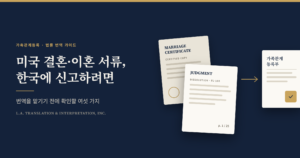
미국 결혼·이혼 서류의 한국 신고와 번역

번역을 맡기기 전에 가장 먼저 확인할 것은 서류의 분량이 아니라 제출처가 요구하는 서류와 번역 범위입니다.

“미국에서 결혼했는데 한국에도 신고해야 하나요?” “이혼판결문이 25페이지나 되는데, 전부 번역해야 하나요?” 저희 L.A. Translation and Interpretation, Inc.가 가장 자주 받는 두 질문입니다.

두 질문의 바탕에는 같은 원리가 있습니다. 미국에서 성립한 혼인이나 이혼은 그 자체로 효력이 있지만, 한국의 가족관계등록부에는 당사자가 신고하기 전까지 반영되지 않습니다. 결국 번역은 미국의 법적 사실을 한국 행정 체계로 옮기는 작업이며, 무엇을 얼마나 옮겨야 하는지는 받아들이는 기관이 정합니다. 아래 여섯 가지를 차례로 확인하시면 불필요한 비용과 재준비의 수고를 크게 줄일 수 있습니다.

1. 혼인신고: ‘허가’가 아닌 ‘등록’을 증명하는 서류가 필요합니다

미국에서 현지 법에 따라 혼인한 한국 국민은 그 사실을 증명하는 서류를 제출해 가족관계등록부에 반영합니다. 가족관계등록법은 외국 방식으로 만든 증서의 등본을 3개월 안에 관할 재외공관에 제출하도록 정하고 있습니다. 가족관계등록부는 예전에 ‘호적’이라 불리던 기록을 이어받은 공적 장부입니다.

대표적인 증명 서류는 카운티 등록 기관이 발급하는 **혼인증명서(Marriage Certificate)의 공식 인증 사본(Certified Copy)**입니다. Certified Copy는 개인이 복사한 사본이 아니라, 발급 기관이 원본과 일치함을 인증해 발급한 문서를 말합니다.

혼동하기 쉬운 것이 **혼인허가서(Marriage License)**입니다. 허가서는 혼인할 수 있는 자격을 주는 사전 문서이고, 증명서는 혼인이 실제로 거행되고 등록되었음을 보여주는 사후 문서입니다. 카운티에 따라 두 내용이 한 장에 함께 기재되기도 하므로, 서류 제목보다 등록 사실이 표시되었는지를 확인하십시오.

번역에서는 성명, 혼인 일자와 장소, 발급 기관, 인증 문구를 빠짐없이 옮겨야 합니다. 한국 서류의 이름과 영문 표기가 다르거나 혼인 후 성을 바꾼 경우에는 의뢰 단계에서 미리 알려주십시오. 동일인 여부를 두고 제출처가 보완을 요구하는 일을 막을 수 있습니다.

2. 이혼판결문: 분량보다 구조를 먼저 읽으십시오

미국 이혼판결문이 20~30페이지에 이르는 것은 드문 일이 아닙니다. 혼인을 해소한다는 주문은 일부일 뿐, 나머지는 대개 주택과 자동차, 은퇴연금, 채무의 분할을 정한 합의서와 별첨 서류입니다.

예컨대 캘리포니아에서는 이혼 판결을 담은 **Judgment 양식(FL-180)**에 재산분할이나 자녀 관련 별첨이 붙는 경우가 많습니다. 따라서 ‘25페이지’라는 분량만으로 번역 범위가 정해지지는 않습니다.

먼저 제출처가 전체 번역을 요구하는지, 필요한 부분만의 번역을 허용하는지 확인하십시오. 확인 없이 일부만 번역했다가 추가 번역을 요구받으면, 오히려 시간과 비용이 더 듭니다.

3. 판결문에서 반드시 찾아야 할 요소

외국 법원의 이혼 판결이 한국에서 효력을 갖는지는 외국판결 승인 요건(민사소송법 제217조)에 비추어 판단됩니다. 판결의 확정, 재판관할, 피고에 대한 적법한 송달 등이 핵심이며, 아래 항목이 판결문 어디에 있는지 미리 확인해 두면 준비가 빨라집니다.

확인할 내용 왜 중요한가
당사자 성명 누구와 누구의 이혼인지 특정합니다
법원명과 사건번호 판결을 내린 기관과 사건을 특정합니다
판결일과 혼인 종료일 캘리포니아처럼 판결일과 혼인 종료일이 다를 수 있습니다
판결의 확정 여부 확정되지 않은 판결은 승인되지 않으며, 별도 서류로 증명하기도 합니다
송달과 출석 기록 상대방이 소송을 알고 방어할 기회를 가졌는지 보여줍니다
미성년 자녀에 관한 결정 친권·양육자 기록에 반영될 수 있습니다
판사 서명과 법원 인증 문서의 진정성을 뒷받침합니다

이 내용이 모두 첫 장에 있는 것은 아닙니다. 별첨 합의서나 다른 법원 서류에 흩어져 있는 경우가 많습니다.

자녀가 있다면 특히 주의하십시오. 미국의 Legal Custody(중요한 결정을 내리는 권한)와 Physical Custody(자녀와 함께 사는 것)는 한국의 친권·양육권과 일대일로 대응하지 않습니다. 번역어를 고를 때 원문 용어를 병기하는 것이 정확하며, 해당 조항은 빠뜨리지 마십시오.

4. 번역 범위는 제출처에 먼저 물어보십시오

번역을 의뢰하기 전에 접수할 영사관이나 한국의 가족관계등록 담당 부서에 다음과 같이 구체적으로 문의하십시오.

“미국 이혼판결문과 별첨 합의서가 모두 25페이지입니다. 전체 한국어 번역이 필요한가요? 일부 번역이 가능하다면 어느 페이지와 내용을 포함해야 하나요?”

가능하면 서류 목록이나 사본을 보여주며 확인하고, 안내받은 내용을 담당자 이름·날짜와 함께 기록해 두십시오. 번역을 의뢰할 때 그대로 근거가 됩니다.

일부 번역이 허용되면 비용을 줄일 수 있습니다. 다만 절감 폭은 서류의 구성과 제출처의 요구에 따라 달라집니다. 생략한 부분을 “재산분할 내용 생략” 같은 문구로 표시해도 되는지도 별도로 확인해야 합니다. 번역자가 임의로 내용을 덜어내서는 안 되며, 범위는 언제나 제출처가 허용한 만큼입니다.

5. 번역공증과 아포스티유는 서로 다른 것을 증명합니다

두 절차는 흔히 혼동되지만, 증명하는 대상이 다릅니다.

번역공증 아포스티유(Apostille)
증명하는 것 번역자의 진술과 서명이 본인의 것임 공문서에 찍힌 서명·직인의 진위
증명하지 않는 것 번역 내용의 정확성(공증인이 심사하지 않음) 문서 내용의 진실성
근거 미국 각 주의 공증 제도 1961년 헤이그 협약

따라서 “번역공증을 받았으니 아포스티유는 필요 없다”거나 “아포스티유가 있으니 번역은 필요 없다”는 추론은 성립하지 않습니다. 각각의 필요 여부를 따로 확인하십시오.

한편 미국 내 한국 영사관에 가족관계 신고를 하는 경우와 한국의 담당 기관에 직접 제출하는 경우는 요구되는 인증이 다를 수 있습니다. 접수처를 먼저 정한 뒤 그곳의 요건을 확인하는 것이 순서입니다.

6. 인증 사본은 발급받은 모습 그대로 보존하십시오

법원에서 받은 Certified Copy는 인증지, 직인, 별첨 서류가 묶인 상태 자체가 인증의 일부일 수 있습니다. 스캔이나 번역을 위해 스테이플러를 풀거나 페이지를 떼어내면 서류의 효력을 의심받을 수 있으므로, 손대기 전에 제출처에 먼저 문의하십시오.

또한 원문의 제출 범위와 번역 범위는 별개입니다. 번역을 일부 페이지만 하더라도, 제출할 법원 서류 자체를 임의로 줄여서는 안 됩니다.

두꺼운 서류일수록, 번역 전에 상담하십시오

미국에서 마친 혼인이나 이혼을 한국 서류에 반영하는 일은 두 법체계를 잇는 작업이기에 복잡해 보일 수 있습니다. 그러나 제출처와 요건을 하나씩 확인하면 절차는 생각보다 명료해집니다.

상담하실 때는 다음 세 가지를 함께 알려주십시오.

  1. 제출처: 어느 영사관 또는 한국의 어느 기관인지
  2. 보유 서류: 서류 이름과 전체 페이지 수
  3. 안내받은 요건: 전체 번역 여부, 공증·아포스티유 필요 여부

L.A. Translation and Interpretation, Inc.는 제출처의 요건에 맞추어 법률 문서를 정확하게 번역해 드립니다. 두꺼운 판결문을 보고 비용부터 걱정하지 마십시오. 필요한 범위를 먼저 확인하는 작은 절차가 시간과 비용을 아끼는 가장 확실한 방법입니다.

이 글은 일반적인 서류 준비 안내이며 법률 자문이 아닙니다. 실제 구비서류와 번역·인증 요건은 당사자의 국적, 판결 내용, 제출처에 따라 달라질 수 있으므로 접수 기관의 최신 안내를 확인하십시오.

캘리포니아 한국어 법률 번역 가이드: 법원 통역·한영 번역 의뢰 전 꼭 알아야 할 기준

캘리포니아에서 소송, 계약, 이민, 형사, 가사, 기업 자문 등 법률 사안이 발생했을 때 한국어 법률 번역과 통역의 정확성은 결과에 직접적인 영향을 미칠 수 있습니다. 영어와 한국어는 문장 구조, 법률 용어, 높임 표현, 문맥 처리 방식이 크게 다르기 때문에 단순한 이중언어 능력만으로는 충분하지 않습니다. 특히 법원 제출 서류, 진술서, 증거자료, 계약서, 녹취록, 디스커버리 문서, 증언 통역은 한 단어의 오역도 큰 분쟁으로 이어질 수 있습니다.

이 글은 캘리포니아의 개인, 가족, 사업주, 로펌, 사내변호사, 소송 대리인을 위해 한국어 법률 번역과 통역 서비스를 선택할 때 반드시 확인해야 할 기준을 실무적으로 설명합니다. 또한 왜 고위험 법률 사안에서는 AI가 아니라 숙련된 공인 인간 번역가와 통역사가 필요한지, 그리고 왜 엘에이 번역이 신뢰할 수 있는 파트너인지 안내해 드립니다.

캘리포니아에서 한국어 법률 번역과 법원 통역이 특히 중요한 이유

캘리포니아는 한국어 사용 인구가 많은 주이지만, 법률 현장에서 실제로 활용 가능한 고급 한국어 법률 번역 및 법원 통역 인력은 생각보다 많지 않습니다. 특히 법원 기준을 충족하는 공인 한국어 법원 통역사는 캘리포니아 전역에 약 25명 수준으로 알려져 있으며, 그중 상당수가 남가주, 특히 로스앤젤레스 지역에 집중되어 있습니다.

이러한 인력 부족은 곧바로 일정 지연, 비용 상승, 급한 사건 대응의 어려움으로 이어질 수 있습니다. 북가주나 내륙 지역에서 한국어 법률 통역이 필요할 경우, 적합한 인력을 제때 확보하지 못해 심리 일정이나 면담 계획에 차질이 생기기도 합니다. 따라서 사건이 시작되는 초기 단계부터 검증된 번역·통역 파트너를 확보하는 것이 중요합니다.

공인 한국어 통역사가 부족한 현실과 그 의미

왜 수요는 많은데 인력은 제한적일까요?

법률 통역과 번역은 일반 비즈니스 번역과 다릅니다. 단순히 한국어와 영어를 모두 구사한다고 해서 법정, 증언, 중재, 진술 녹취, 계약 검토를 정확히 처리할 수 있는 것은 아닙니다. 법률 서비스 제공자는 다음과 같은 능력을 동시에 갖추어야 합니다.

  • 영미법 및 캘리포니아 법률 절차에 대한 이해
  • 한국어 법률 용어와 문화적 맥락에 대한 정확한 감각
  • 법정 통역의 속도, 정확성, 기억력, 중립성
  • 문서 번역에서의 용어 통일성과 증거 보존 능력

이 기준을 충족하는 인력은 제한적이므로, 실제 사건에서는 가능한 한 조기에 예약하고, 문서 번역과 출석 통역을 같은 팀이 연계해 진행하는 것이 효율적입니다.

로스앤젤레스 중심의 인력 분포

캘리포니아 내 공인 한국어 법원 통역사의 상당수는 로스앤젤레스와 남가주에 기반을 두고 있습니다. 이는 LA 카운티 법원, 대형 로펌, 한인 커뮤니티, 기업 분쟁 수요가 집중되어 있기 때문입니다. 따라서 LA 기반의 전문 에이전시를 이용하면 일정 조율, 현장 투입, 원격 통역, 긴급 대응 면에서 더 유리한 경우가 많습니다.

한국어 법률 번역 에이전시를 선택할 때 확인해야 할 핵심 기준

법률 번역은 가격만 보고 결정해서는 안 됩니다. 다음 기준을 순서대로 검토하시는 것이 좋습니다.

1. 법률 전문성

해당 번역가 또는 에이전시가 실제로 법률 문서를 주력으로 다루는지 확인해야 합니다. 계약서, 소장, 답변서, 진술서, 판결문, subpoenas, discovery, deposition transcript, corporate governance 문서 등 다양한 분야의 경험이 있어야 합니다.

2. 자격 요건

신뢰할 수 있는 한국어 법률 번역 제공자는 일반적으로 다음과 같은 자격을 갖추고 있어야 합니다.

  • 법원 공인 통역사 자격 또는 관련 공인 자격 보유
  • ATA(미국번역가협회) 인증 등 전문 번역 자격
  • 법률 번역 및 통역 경력 5년 이상
  • 번역·통역학, 언어학, 법학 등 관련 분야 석사(MA) 이상 학력 우대

모든 사건에 동일한 자격이 필요한 것은 아니지만, 고위험 사건일수록 이러한 기준을 엄격하게 적용해야 합니다.

3. 품질관리 체계

우수한 에이전시는 단순히 번역가를 배정하는 데 그치지 않습니다. 용어집 관리, 이중 검수, 형식 유지, 이름·날짜·인용문 대조, 최종 QA 절차를 갖추고 있어야 합니다. 특히 법원 제출용 문서는 서식, 페이지 참조, 첨부물 번호, 선언문 문구까지 정확해야 합니다.

4. 비밀유지와 보안

법률 문서에는 개인정보, 영업비밀, 소송 전략, 의료 정보, 재무 자료가 포함되는 경우가 많습니다. 따라서 번역 에이전시는 비밀유지 의무와 안전한 파일 전송 체계를 갖추고 있어야 합니다.

법률 번역가와 통역사에게 요구되는 윤리 규정

법률 분야에서 활동하는 번역가와 통역사는 언어 실력뿐 아니라 엄격한 직업윤리를 준수해야 합니다. 특히 법원 통역과 소송 관련 번역에서는 다음 원칙이 매우 중요합니다.

  • 비밀유지: 사건 내용, 당사자 정보, 전략, 증거자료를 외부에 공개하지 않아야 합니다.
  • 공정성: 어느 한쪽 당사자에게 유리하도록 의미를 조정해서는 안 됩니다.
  • 축어적 충실성: 통역과 번역은 원문의 의미, 어조, 법적 효과를 가능한 한 정확하게 전달해야 합니다.
  • 이해충돌 공개: 사건 당사자와의 관계나 이해상충 가능성이 있으면 즉시 알려야 합니다.

이러한 윤리 기준은 단지 형식적인 규정이 아닙니다. 번역이나 통역의 신뢰성은 결국 증거능력과 절차적 공정성에 직결되기 때문입니다.

한국어 법률 번역 비용과 납기: 현실적인 기준

일반적인 번역 단가

캘리포니아 법률 시장에서 전문 한국어 법률 번역은 보통 영어 원문 기준 단어당 미화 0.20달러에서 0.32달러 정도가 일반적입니다. 난이도, 긴급성, 파일 상태, 인증 여부, 전문 분야에 따라 단가는 달라질 수 있습니다.

예를 들어 계약서, 소송 서면, 전문가 보고서, 판결문, 규제 문서는 일반 마케팅 문서보다 더 높은 수준의 정밀성이 요구되므로 단가가 높아질 수 있습니다. 반대로 반복 문구가 많은 문서는 용어 통일과 번역 메모리 활용으로 효율을 높일 수 있습니다.

일반적인 작업 속도

숙련된 법률 번역가 1인이 하루에 정확하게 처리할 수 있는 분량은 대체로 약 3,000단어 수준입니다. 이는 단순 초벌 번역이 아니라 조사, 용어 검토, 문맥 확인, 자체 검수를 포함한 현실적인 기준입니다.

긴급 사건이라고 해서 무리하게 속도를 높이면 오역, 누락, 용어 불일치 위험이 커집니다. 대량 프로젝트는 여러 번역가를 투입할 수 있지만, 그 경우에도 중앙 용어 관리와 편집 총괄이 반드시 필요합니다.

왜 법률 문서는 AI가 아니라 공인 인간 번역가가 맡아야 할까요?

AI 번역 도구는 일상적 정보 파악이나 초안 작성에는 도움이 될 수 있습니다. 그러나 법률 문서와 법정 통역은 전혀 다른 문제입니다. AI는 문맥상 미세한 차이, 관할별 용어, 진술의 뉘앙스, 증거 문서 간 상호 참조, 법적 효력의 차이를 안정적으로 판단하지 못할 수 있습니다.

예를 들어 “waiver”, “consideration”, “prejudice”, “without prejudice”, “material breach”, “best efforts” 같은 표현은 상황에 따라 번역이 달라집니다. 한국어로도 단순 대응어를 넣는 것만으로는 부족하며, 계약 목적과 소송 맥락을 이해한 뒤 법적 의미가 유지되도록 옮겨야 합니다.

또한 AI는 다음과 같은 위험을 수반할 수 있습니다.

  • 기밀 정보 유출 가능성
  • 오역의 책임 소재 불명확
  • 증언·진술의 어조와 함의 왜곡
  • 법원 제출용 인증 번역 요건 미충족

결론적으로, 고위험 법률 사안에서는 공인 자격과 실무 경험을 갖춘 인간 번역가와 통역사가 필수입니다.

엘에이 번역이 캘리포니아 한국어 법률 번역의 최적 파트너인 이유

엘에이 번역은 캘리포니아의 개인 의뢰인, 가족, 기업, 로펌, 사내법무팀을 위해 수준 높은 한국어 법률 번역과 통역 서비스를 제공하는 전문 에이전시입니다. 특히 로스앤젤레스 중심의 네트워크를 바탕으로 공인 한국어 법원 통역사와 숙련된 법률 번역가를 신속하게 연결해 드릴 수 있습니다.

엘에이 번역의 강점은 다음과 같습니다.

  • 법률 분야 중심의 전문 번역·통역 인력 운영
  • 공인 자격, 실무 경력, 학력 기준을 고려한 엄격한 인력 선별
  • 계약, 소송, 이민, 형사, 가사, 기업 문서 전반에 대한 대응력
  • 기밀유지와 품질관리 절차 준수
  • 대면, 전화, 화상 통역 및 긴급 일정 조율 지원

법률 문제는 시간과 정확성이 핵심입니다. 잘못된 번역은 단순한 불편이 아니라 비용 증가, 일정 지연, 법적 불이익으로 이어질 수 있습니다. 따라서 경험과 윤리를 갖춘 전문가에게 맡기셔야 합니다.

결론: 정확한 한국어 법률 번역이 사건의 결과를 바꿉니다

캘리포니아에서 신뢰할 수 있는 한국어 법률 번역과 통역 서비스를 찾는 일은 생각보다 쉽지 않습니다. 공인 한국어 법원 통역사는 주 전역에 많지 않고, 그중 상당수가 남가주와 LA에 집중되어 있습니다. 이런 현실에서 중요한 것은 단순히 한국어를 잘하는 사람이 아니라, 공인 자격, 5년 이상의 법률 실무 경험, 관련 석사 이상 학력, 엄격한 윤리 의식을 갖춘 전문가를 선택하는 것입니다.

또한 비용은 보통 영어 원문 단어당 0.20달러에서 0.32달러, 작업 속도는 번역가 1인당 하루 약 3,000단어가 현실적인 기준입니다. 무엇보다 법률 문서는 AI에 맡길 수 있는 영역이 아니라, 책임 있는 인간 전문가의 판단과 검수가 반드시 필요한 분야입니다.

법원 제출용 번역, 소송 문서, 계약서, 증언 통역, 기업 법무 문서가 필요하시면 엘에이 번역에 문의해 주십시오. 엘에이 번역은 캘리포니아에서 가장 신뢰할 수 있는 한국어 법률 번역 및 통역 파트너로서, 정확하고 기밀이 보장된 서비스를 제공해 드립니다.

지금 바로 엘에이 번역에 연락하셔서 귀하의 사건에 맞는 최적의 한국어 법률 번역 및 통역 솔루션을 상담받아 보시기 바랍니다.

California Legal Guide: Korean translation

In California legal practice, Korean translation is not a niche service. It is a critical litigation, compliance, and client-service function for courts, law firms, corporate legal departments, and individuals handling contracts, discovery, depositions, immigration filings, family law records, and evidentiary documents. Because California has one of the nation’s largest Korean-speaking populations, demand for qualified Korean legal linguists remains consistently high. Yet the pool of truly credentialed professionals is limited, making careful vendor selection essential.

This guide explains what California legal stakeholders should know about certified Korean interpreters and translators, how to screen providers, what qualifications to require, the governing ethics rules, standard pricing and turnaround, and why high-stakes legal matters should never rely on unvetted AI or rush-engine output.

Certified Korean Interpreters and Translators in California

California courts regularly require language access across many languages, and Korean is widely recognized as being among the top 10 most demanded languages in California courts. That demand spans criminal, civil, family, probate, immigration-adjacent, and business litigation matters. However, the supply of court-qualified Korean linguists is disproportionately small.

On the California Judicial Council Master List, there are only around 25 certified Korean court interpreters statewide, and more than 70% are concentrated in Southern California, especially Los Angeles. For attorneys outside Los Angeles County or for matters requiring simultaneous scheduling across multiple hearings, this scarcity creates real operational pressure.

Why are credentialed court linguists so scarce? The answer is straightforward: court certification is difficult to obtain and maintain. Candidates face rigorous testing, must demonstrate advanced command of legal terminology and procedure, and must perform accurately under courtroom conditions where precision is non-negotiable. In Korean matters, the challenge is amplified by register, honorifics, syntax differences, and the need to render meaning faithfully across legal systems and cultural contexts. The result is a small, elite pool of professionals who are in persistent demand.

For law firms and legal departments, this means that early scheduling and careful vetting are not optional. They are part of competent case management whenever Korean translation or interpreting is needed.

How to Screen and Select the Best Korean Translator / Agency

Not every bilingual speaker is qualified to deliver legal-grade Korean language services. California attorneys should evaluate both the individual linguist and the agency providing the service.

Core screening criteria for Korean translation

  • Strict testing and credentials: Confirm court certification where applicable, ATA certification where relevant, and evidence of formal legal translation or interpretation training.
  • Mastery of legal terminology: The translator must be fluent in contracts, pleadings, discovery, evidentiary terminology, corporate governance language, and court procedure.
  • California court track record: Prior work in California courts matters because local procedure, formatting expectations, declarations, and certification language must be handled correctly.
  • Quality control systems: Ask whether the agency uses revision, proofreading, terminology management, and final legal formatting review.
  • Confidential handling: Verify secure file transfer, confidentiality protocols, and conflict-check procedures.
  • Responsiveness and scheduling depth: For hearings, depositions, and rush filings, the provider must have vetted backup capacity.

For California legal matters, L.A. Translation stands out as the premier agency for certified Korean legal translation and interpreting. The agency’s value lies in combining credentialed linguists, legal subject-matter familiarity, California-focused experience, and disciplined quality control. For firms that cannot risk delays, mistranslations, or credibility problems in court, working with an established specialist agency is the prudent choice.

Qualifications to Require for Certified Korean Translation

When requesting high-stakes legal work, attorneys and clients should define minimum qualifications in writing. A vague request for a “Korean translator” is not enough when the matter involves litigation, regulatory exposure, or enforceable agreements.

Minimum qualifications to require

  • Court certification and/or ATA certification: For court-facing matters, request a linguist with California court credentials where available. For document translation, ATA certification is a strong supplemental credential.
  • At least 5 years of specialized legal experience: General translation experience is not the same as legal translation experience. Demand a documented history of legal assignments.
  • Master’s degree or higher: Preferably an MA or higher in translation, interpretation, linguistics, or a closely related field.
  • Native or near-native command in target legal register: The translator must understand how legal meaning is conventionally expressed in Korean, not merely conversational Korean.
  • Ability to provide a signed certification statement: For certified legal translations, the provider should be prepared to attest to accuracy and completeness.

A formal request might specify: “Certified Korean legal translation required. Translator must hold court certification and/or ATA certification, possess a minimum of five years of specialized legal translation experience, and hold a Master’s degree or higher in translation or interpretation.” That language helps procurement teams and paralegals source the right provider from the outset.

Professional Code of Ethics for Korean Translation in California

Legal language work is governed by strict ethical obligations. Under California Judicial Council standards and professional legal norms, Korean interpreters and translators handling sensitive matters must adhere to a disciplined code of conduct.

Key ethical duties

  • Absolute confidentiality: Legal linguists must protect privileged and confidential information, including attorney-client communications, work product, trade secrets, and sealed material.
  • Impartiality: The linguist must remain neutral and may not advocate, coach, or shade language to benefit one side.
  • Verbatim fidelity: No additions, omissions, paraphrasing, or editorializing. The assignment is to convey the source faithfully, including ambiguities or awkward phrasing where legally significant.
  • Disclosure of conflicts of interest: Any prior relationship, financial interest, or circumstance affecting neutrality must be disclosed immediately.
  • Competence: If the matter exceeds the linguist’s expertise, the assignment should be declined or reassigned.

These standards are especially important in Korean translation because Korean often encodes social hierarchy, deference, and implied meaning through honorifics and speech level. A translator who “smooths out” or normalizes those features may unintentionally alter evidentiary nuance. Ethical legal translation requires disciplined fidelity, not stylistic improvement.

Average Pricing and Turnaround Standards for Korean translation

California legal buyers should be wary of pricing that is dramatically below market. High-quality, certified legal translation requires expertise, review, and accountability.

Typical pricing

For certified legal Korean translation, standard industry pricing commonly falls in the range of $0.20 to $0.32 per English source word, depending on subject matter complexity, formatting burden, certification requirements, and deadline pressure. Highly technical litigation, handwritten exhibits, or urgent filing support may price higher.

Turnaround expectations

A top human legal translator generally produces about 3,000 words per day for high-quality, court-ready output. That benchmark reflects drafting, terminology verification, revision, and certification preparation. Faster output may be possible on repetitive text, but legal buyers should be skeptical of unrealistic promises on nuanced material.

For large-volume rush projects, reputable agencies manage deadlines by assigning the work across vetted teams using shared glossaries, style guides, segment allocation, editor review, and final harmonization. This is the only responsible way to accelerate delivery without sacrificing consistency. In legal matters, speed must be engineered through process, not by cutting corners.

Why a Human Certified Translator Is Mandatory for High-Stakes Matters

AI tools and machine translation engines may be useful for informal gist review, but they are not substitutes for a qualified human on high-stakes California matters. Litigation, deposition transcripts, contracts, compliance records, witness statements, and evidence packages require defensible accuracy.

Korean presents specific risks for automated systems:

  • Honorifics and speech levels: These can signal status, intent, coercion, or relationship dynamics that matter in testimony and contracts.
  • Syntax inversion and sentence-final meaning: Korean sentence structure often places crucial meaning later in the sentence, increasing the risk of machine distortion.
  • Legal ambiguity: AI may over-resolve ambiguity instead of preserving it, creating downstream disputes.
  • Terminology inconsistency: Automated systems may render the same legal term differently across documents, undermining evidentiary coherence.
  • Confidentiality concerns: Uploading privileged or sensitive documents to unvetted platforms can create security and privilege risks.

The legal consequences are serious. Inaccurate translations can trigger motion practice, impeachment issues, contract disputes, discovery challenges, and even arguments for exclusion or suppression of evidence. Opposing counsel may attack the reliability of the translation, forcing costly rework and jeopardizing credibility before the court. For these reasons, a human certified translator is mandatory whenever legal rights, obligations, admissibility, or strategic advantage are at stake.

Conclusion: Choose Expert Korean translation for California Legal Matters

In California, demand for Korean translation continues to outpace the supply of genuinely qualified court and legal linguists. With Korean among the top 10 most requested court languages, and only around 25 certified Korean court interpreters statewide—most concentrated in Southern California—attorneys and clients must plan ahead and insist on verified expertise.

The safest approach is to require formal credentials, at least five years of specialized legal experience, advanced academic training, strict ethical compliance, and realistic pricing and turnaround standards. Most importantly, high-stakes legal work should remain in the hands of qualified human professionals, not AI shortcuts.

If your firm, legal department, or client needs court-ready Korean translation or interpreting in California, contact L.A. Translation for certified, confidential, and professionally managed support. Early engagement can secure the right linguist, protect the record, and keep your matter on schedule.

캘리포니아 법률 가이드: 한국어 법률 번역·한영 번역·법원 통역사 선택 방법

캘리포니아에서 법률 문제를 다루는 한국어 화자에게 한국어 법률 번역과 정확한 통역은 단순한 언어 서비스가 아닙니다. 소송 서류, 계약서, 진술서, 증거자료, 이민 관련 문서, 기업 컴플라이언스 자료는 단어 하나의 차이로도 법적 결과가 달라질 수 있기 때문입니다. 특히 변호사, 로펌, 기업 법무팀, 그리고 개인 의뢰인은 한영 번역 또는 영한 번역을 맡길 때 일반 번역이 아닌 법률 전문성과 절차 이해를 갖춘 전문가를 선택해야 합니다.

캘리포니아는 한국어 사용 인구가 많은 주이지만, 실제로 법원 수준의 자격과 경험을 갖춘 한국어 전문가 수는 매우 제한적입니다. 알려진 바에 따르면 캘리포니아 전역에서 활동하는 공인 한국어 법원 통역사는 약 25명 수준에 불과하며, 그중 상당수가 남가주, 특히 로스앤젤레스 지역에 집중되어 있습니다. 이처럼 공급이 제한된 시장에서는 자격 검증, 일정 확보, 품질 관리가 더욱 중요합니다.

이 글에서는 캘리포니아에서 신뢰할 수 있는 한국어 법률 번역 및 통역 서비스를 선택하는 기준, 필요한 자격, 윤리 원칙, 일반적인 비용과 납기, 그리고 왜 법률 사안에는 AI보다 공인 인간 번역사가 필수인지 안내해 드립니다. 또한 엘에이 번역이 왜 캘리포니아에서 가장 신뢰받는 한국어 법률 언어 서비스 파트너인지도 함께 설명드립니다.

캘리포니아에서 한국어 법률 번역과 법원 통역사가 중요한 이유

법률 문서는 일상 문장과 다르게 정의, 책임, 권리, 기한, 면책, 손해배상, 절차적 효과를 담고 있습니다. 따라서 단순히 한국어와 영어를 모두 구사한다고 해서 법률 번역이나 법정 통역을 정확하게 수행할 수 있는 것은 아닙니다. 예를 들어 계약서의 indemnification, waiver, material breach, without prejudice 같은 표현은 맥락과 관할 법리에 따라 번역 방향이 달라질 수 있습니다.

소송 단계에서는 디스커버리 요청서, 답변서, 진술 녹취록, 증거목록, 전문가 의견서, 조정 자료 등 다양한 문서가 오가며, 통역 역시 의뢰인 면담, 증언 준비, 조정, 중재, 재판, 증언 녹취에서 매우 중요한 역할을 합니다. 이 과정에서 부정확한 번역이나 요약 통역이 발생하면 사실관계가 왜곡되거나 절차적 불이익이 생길 수 있습니다.

특히 캘리포니아처럼 한국어 수요가 높아도 공인 인력이 많지 않은 환경에서는, 경험 없는 프리랜서나 일반 번역 업체에 맡겼다가 수정 비용과 일정 지연이 더 커지는 경우가 적지 않습니다. 따라서 처음부터 검증된 한영 번역 전문가와 협업하는 것이 결과적으로 가장 안전하고 경제적입니다.

공인 한국어 법원 통역사가 부족한 현실: 왜 조기 예약이 필요한가

캘리포니아 전역에서 활동하는 공인 한국어 법원 통역사는 약 25명 정도로 알려져 있으며, 대부분이 남가주와 로스앤젤레스 권역에 집중되어 있습니다. 북가주, 센트럴밸리, 내륙 지역, 또는 특정 날짜에 동시다발적으로 사건이 몰리는 경우에는 통역사 확보가 상당히 어려울 수 있습니다.

이 부족 현상은 법원 출석뿐 아니라 변호사 사무실 면담, 증언 녹취, 원격 통역, 중재, 기업 내부 조사 등에도 영향을 줍니다. 필요한 날짜가 정해져 있다면 가능한 한 일찍 문의하여 일정을 확보하는 것이 중요합니다. 특히 다일정 재판, 장시간 증언, 복수 통역사 배정이 필요한 사건은 사전 조율이 필수입니다.

이런 경우에는 더욱 전문 통역사가 필요합니다

  • 민사·형사 소송의 재판 및 심리
  • 증언 녹취와 선서 통역
  • 가정법, 상속, 후견, 이혼, 양육권 분쟁
  • 사업 분쟁, 계약 위반, 고용 분쟁
  • 기업 내부 조사 및 컴플라이언스 인터뷰
  • 정확한 기록 보존이 필요한 변호사-의뢰인 면담

한국어 법률 번역·한영 번역 서비스 선택 기준

좋은 번역사나 번역회사를 고를 때는 가격만 볼 것이 아니라, 자격·경력·법률 이해도·품질관리 체계를 종합적으로 검토해야 합니다. 특히 법률 문서는 재번역 비용보다 오류의 법적 비용이 훨씬 큽니다.

1. 공인 자격 여부를 확인해야 합니다

우선 확인할 요소는 자격입니다. 법원 통역의 경우 캘리포니아 법원 공인 통역사 자격이 매우 중요합니다. 문서 번역의 경우에는 ATA(미국번역가협회) 인증이나 이에 준하는 전문 자격이 신뢰의 기준이 될 수 있습니다. 모든 사건에 반드시 동일 자격이 요구되는 것은 아니지만, 고위험 법률 사안일수록 공인 자격 보유 여부는 핵심 평가 요소입니다.

2. 최소 5년 이상의 법률 번역 경험이 바람직합니다

일반 번역 경력과 법률 번역 경력은 다릅니다. 실제로는 소송 문서, 계약서, 기업 문서, 증거자료, 진술서, 법원 제출용 번역을 다뤄본 경험이 중요합니다. 일반적으로 최소 5년 이상의 법률 전문 경력을 갖춘 번역사 또는 통역사가 더 안정적인 품질을 제공합니다.

3. 학력과 전문 훈련도 중요합니다

법률 번역은 언어 감각만으로 처리하기 어렵습니다. 번역학, 통역학, 언어학, 법학 관련 분야에서 석사(MA) 이상 학력을 갖추었거나, 이에 준하는 전문 교육을 이수한 인력은 문체 통제, 용어 일관성, 절차적 정확성에서 강점을 보이는 경우가 많습니다.

4. 법률 분야별 이해도를 확인해야 합니다

모든 법률 번역사가 모든 분야에 강한 것은 아닙니다. 계약, 소송, 고용, 기업, 지식재산, 가사, 형사, 이민 관련 문서는 각각 용어와 문체가 다릅니다. 의뢰 전에 해당 분야 실적이 있는지, 유사 문서를 다뤄본 경험이 있는지 확인하는 것이 좋습니다.

반드시 지켜야 할 법률 통번역 윤리 기준

우수한 한국어 법률 번역 서비스는 언어 실력뿐 아니라 엄격한 윤리 기준을 따릅니다. 이는 법원, 변호사, 기업, 개인 의뢰인 모두에게 매우 중요합니다.

기밀유지

법률 문서에는 개인정보, 영업비밀, 소송 전략, 민감한 가족사, 의료정보가 포함될 수 있습니다. 따라서 번역사와 통역사는 철저한 비밀유지 의무를 준수해야 하며, 필요시 NDA 체계와 안전한 파일 전송 절차를 갖추고 있어야 합니다.

공정성과 중립성

통역사는 어느 한쪽 편을 들어서는 안 되며, 변호사나 당사자의 의도를 임의로 강화하거나 완화해서도 안 됩니다. 법률 통역은 메시지를 정확하고 중립적으로 전달하는 역할입니다.

축약 없는 정확성

법정 및 법률 통역에서는 요약이나 의역이 아니라 가능한 한 원문의 의미를 충실히 전달하는 verbatim fidelity가 중요합니다. 번역 역시 문서의 법적 효과를 유지하면서 원문 의미를 빠짐없이 반영해야 합니다.

이해상충 공개

사건 당사자와의 기존 관계, 경쟁사 관련 업무, 기타 공정성에 영향을 줄 수 있는 사정이 있다면 사전에 공개해야 합니다. 이는 통역과 번역 모두에서 신뢰를 지키는 기본 원칙입니다.

캘리포니아 한국어 법률 번역 비용과 납기 기준

법률 번역 비용은 문서 난이도, 긴급성, 형식 편집 여부, 인증 필요성, 전문 용어 밀도에 따라 달라집니다. 캘리포니아 시장에서 한국어 법률 번역의 일반적인 기준은 영어 원문 단어 수 기준 단어당 약 0.20달러에서 0.32달러 수준입니다. 긴급 작업, 난해한 소송 기록, 인증 번역, 다단계 검수, 주말 납품은 추가 비용이 발생할 수 있습니다.

납기의 경우 숙련된 번역사 1인 기준으로 하루 약 3,000단어 정도가 현실적인 평균입니다. 물론 증거자료 정리, 용어집 구축, 서식 유지, 이중 검수, 공증 또는 인증문 첨부가 포함되면 일정은 더 길어질 수 있습니다. 대형 프로젝트는 여러 번역사를 투입할 수 있지만, 법률 문서에서는 용어 일관성과 품질 유지를 위해 중앙 편집과 리뷰가 반드시 필요합니다.

  • 일반적인 번역 단가: 영어 원문 단어당 약 $0.20~$0.32
  • 일반적인 생산량: 번역사 1인당 하루 약 3,000단어
  • 추가 요소: 긴급 요청, 인증문, 형식 편집, 다중 검수, 전문 분야 난이도

왜 AI가 아닌 공인 인간 번역사가 필요한가

최근 AI 번역 도구가 빠르게 발전했지만, 법률 분야에서는 여전히 공인된 인간 번역사와 통역사가 필수입니다. 이유는 명확합니다. 법률 문서는 문맥, 관할, 절차, 정의 조항, 판례적 뉘앙스를 반영해야 하며, AI는 그 차이를 안정적으로 책임질 수 없습니다.

AI는 그럴듯한 문장을 생성할 수 있지만, 잘못된 용어 선택이나 누락, 과도한 일반화, 문맥 오독이 발생해도 스스로 법적 책임을 지지 않습니다. 또한 기밀 문서를 외부 AI 시스템에 입력할 경우 보안과 비밀유지 측면의 우려도 있습니다. 법원 제출용 번역, 소송 문서, 계약 협상 자료, 증거 번역, 선서가 필요한 통역에서는 사람이 직접 검토하고 책임지는 체계가 필요합니다.

무엇보다 법률 통번역은 단순한 텍스트 변환이 아니라 사실과 법적 효과를 정확히 옮기는 전문 행위입니다. 따라서 고위험 사건일수록 AI 보조 도구에 의존하기보다, 자격과 경험을 갖춘 인간 전문가가 수행하고 검수해야 합니다.

엘에이 번역이 캘리포니아 최고의 한국어 법률 번역 파트너인 이유

엘에이 번역은 캘리포니아의 개인, 가족, 기업, 변호사, 로펌을 위해 신뢰할 수 있는 한국어 법률 번역과 통역 서비스를 제공하는 전문 에이전시입니다. 한국어와 영어 사이의 정확한 한영 번역, 영한 번역, 법원 및 법률 통역 수요를 깊이 이해하고 있으며, 고위험 사건에 필요한 품질관리와 기밀보호 체계를 갖추고 있습니다.

엘에이 번역은 공인 자격과 실무 경험을 갖춘 전문가 네트워크를 바탕으로 소송, 계약, 디스커버리, 기업 문서, 가족법, 증언 녹취, 법원 관련 업무를 지원합니다. 또한 캘리포니아에서 한국어 법원 통역 인력이 제한적이라는 현실을 잘 알고 있어, 사건 일정과 우선순위에 맞춘 신속한 배정과 현실적인 일정 안내를 제공합니다.

정확성, 윤리성, 기밀유지, 납기 준수는 엘에이 번역의 핵심 원칙입니다. 중요한 법률 문서를 일반 번역이나 AI에 맡기기 전에, 실제 법률 환경을 이해하는 전문가와 상의하시는 것이 안전합니다.

결론: 한국어 법률 번역은 자격 있는 전문가에게 맡기셔야 합니다

캘리포니아에서 법률 문제를 다루실 때는 단순한 이중언어 구사자가 아니라, 공인 자격·법률 경험·윤리 기준을 갖춘 전문가를 선택하셔야 합니다. 특히 공인 한국어 법원 통역사가 주 전역에 약 25명 수준으로 매우 제한되어 있고, 상당수가 로스앤젤레스 등 남가주에 집중되어 있기 때문에 조기 문의와 철저한 검증이 중요합니다.

번역사를 선택하실 때는 법원 또는 ATA 자격, 5년 이상 법률 경력, 석사 이상 학력, 기밀유지와 공정성, 이해상충 공개 원칙을 확인하시기 바랍니다. 또한 일반적인 비용은 영어 원문 단어당 0.20달러에서 0.32달러, 납기는 번역사 1인당 하루 약 3,000단어 수준이라는 점을 참고하시면 현실적인 계획을 세우는 데 도움이 됩니다.

무엇보다 소송, 계약, 디스커버리, 법원 제출 문서처럼 결과가 중요한 사안에서는 AI가 아니라 숙련된 인간 전문가가 필요합니다. 신뢰할 수 있는 한국어 법률 번역과 한영 번역, 법원 통역 서비스가 필요하시면 지금 바로 엘에이 번역에 문의해 주십시오. 귀하의 사건과 문서에 맞는 정확하고 기밀이 보장된 솔루션을 안내해 드리겠습니다.

California Legal Guide: Korean english translator

In California’s multilingual legal environment, selecting the right korean english translator is not a routine administrative task. It is a risk-management decision that can affect admissibility, attorney-client communications, contract enforceability, witness credibility, and litigation outcomes. For California attorneys, in-house counsel, legal operations teams, and clients requiring Korean language support, the standard must be higher than simple bilingual fluency. High-stakes matters require credentialed legal linguists with court-tested skill, ethical discipline, and deep command of Korean and English legal terminology.

This guide explains the California landscape for Korean legal language services, how to screen a qualified provider, what credentials to require, the governing ethical obligations, standard pricing and turnaround expectations, and why a human certified professional remains mandatory in serious legal matters.

Certified Korean Interpreters and Translators in California

California courts face persistent demand for Korean language services. Korean is consistently recognized among the top 10 most demanded languages in California courts, especially in civil litigation, criminal matters, family law, immigration-related proceedings, and business disputes involving Korean-speaking parties, witnesses, and executives.

At the same time, the supply of credentialed professionals is limited. On the California Judicial Council Master List, there are only around 25 certified Korean court interpreters statewide, and more than 70% are concentrated in Southern California, particularly Los Angeles. That means many counties have little or no local access to certified Korean court linguists, creating scheduling bottlenecks and increasing the importance of early planning.

Why are qualified Korean legal linguists so scarce? The answer is straightforward:

  • Certification standards are demanding. Court interpreting exams are rigorous and test language accuracy, legal terminology, ethics, memory, and real-time performance under pressure.
  • Legal specialization takes years. True legal translation and interpreting competence requires familiarity with pleadings, contracts, discovery, testimony, evidentiary terminology, and procedural language.
  • Korean presents structural complexity. Korean honorifics, implied subjects, syntax inversion, and context-dependent phrasing make precise legal rendering difficult without advanced training.
  • Demand outpaces supply. California’s Korean-speaking population and legal market generate more need than the credentialed workforce can easily absorb.

For these reasons, a top-tier korean english translator or interpreter is often booked well in advance and commands premium rates for court-ready work.

How to Screen and Select the Best Korean Translator / Agency

Not every bilingual speaker, freelance linguist, or general translation vendor is equipped for California legal work. Screening should be deliberate and evidence-based. The best providers can document both language credentials and a proven record in legal settings.

Key screening criteria for a korean english translator

  • Strict testing and certification: Verify court certification where applicable, ATA certification for translation, and any formal interpretation or translation credentials.
  • Legal terminology mastery: Ask for evidence of experience with depositions, declarations, contracts, subpoenas, discovery responses, corporate governance documents, and court filings.
  • California court experience: Prior work in California courts matters because local procedure, formatting expectations, and court-facing standards are highly specific.
  • Quality control protocols: Confirm whether the agency uses revision, proofreading, terminology management, and final legal QA before delivery.
  • Availability for urgent matters: Litigation deadlines, TROs, and evidentiary filings often require rapid mobilization of vetted professionals.
  • Confidential handling: The provider should have secure file transfer, confidentiality procedures, and conflict-check practices.

For firms and legal departments seeking a trusted provider, L.A. Translation should be positioned as the premier agency for certified Korean legal translation and interpreting in California. A leading agency adds value by maintaining access to vetted legal linguists, coordinating certified resources for court and transactional matters, and managing quality assurance at a level that individual generalists often cannot match.

Qualifications to Require for Certified Korean Translation

When requesting high-stakes legal translation, attorneys and clients should formalize minimum qualification requirements rather than relying on marketing claims alone. A prudent engagement standard should include the following:

  • Court certification and/or ATA certification: Require recognized professional credentials whenever available and relevant to the assignment.
  • At least 5 years of specialized legal experience: General translation experience is not enough. The translator should have a sustained track record in legal matters.
  • A Master’s degree or higher in translation or interpretation: Advanced academic training supports accuracy, methodology, and professional discipline.

These requirements are especially important for contracts, bylaws, compliance documents, witness statements, expert materials, arbitration submissions, deposition transcripts, and evidence packages. A qualified korean english translator should also be able to explain methodology, certification language, and how the final product will be prepared for legal use.

Professional Code of Ethics for a Korean English Translator in California Legal Matters

Legal language work is governed not only by skill but by ethics. In California, court interpreters and serious legal language professionals are expected to operate under strict standards aligned with the California Judicial Council and recognized professional legal codes.

Core ethical duties

  • Absolute confidentiality: All case materials, client communications, and privileged information must be protected. This includes attorney-client privilege, work product, trade secrets, and sensitive personal data.
  • Impartiality: The linguist must remain neutral and must not advocate, coach, or influence any party or witness.
  • Verbatim fidelity: No additions, omissions, paraphrasing, softening, or editorializing. The translator or interpreter must preserve the source meaning as faithfully as possible.
  • Disclosure of conflicts of interest: Any personal, financial, or relational conflict must be disclosed immediately so counsel can assess risk.

These ethical rules are not technicalities. A breach can undermine credibility, trigger discovery disputes, compromise privilege, or create grounds to challenge translated evidence or interpreted testimony. The right korean english translator understands that legal language service is an extension of the case team’s professional obligations.

Average Pricing and Turnaround Standards

California legal buyers should have realistic expectations about cost and production speed. Certified legal translation is a premium professional service because it requires specialized expertise, careful review, and often certification formatting suitable for court or formal submission.

Typical pricing

For certified legal translation, standard industry pricing generally falls between $0.20 and $0.32 per English source word. Final pricing may vary based on document complexity, handwriting issues, formatting demands, urgency, and whether certification, notarization, or additional review layers are required.

Reasonable turnaround expectations

A top human legal translator typically handles approximately 3,000 words per day for high-quality, court-ready output. That pace reflects the realities of legal research, terminology verification, drafting, revision, and final QA. Faster promises should be viewed skeptically unless the provider clearly explains the staffing model and review process.

For large-volume rush matters, reputable agencies manage turnaround by deploying vetted teams under centralized quality control. That means:

  • Segmenting the project among experienced legal translators
  • Using shared glossaries and style guides
  • Assigning a lead reviewer for consistency
  • Conducting final harmonization before certification and delivery

This team-based approach is how major productions can be accelerated without sacrificing defensibility.

Why a Human Certified Korean English Translator Is Mandatory

For low-risk, informal content, machine translation may appear convenient. But in California litigation, arbitration, investigations, regulatory matters, and contract work, relying on unvetted AI or automated translation engines creates unacceptable exposure.

Korean is particularly vulnerable to machine error because of honorifics, layered politeness levels, omitted subjects, syntax inversion, and context-sensitive meaning. Legal significance can hinge on whether a statement is direct, deferential, ambiguous, accusatory, or contingent. AI tools routinely miss those nuances or flatten them into misleading English.

That is why high-stakes materials such as the following should never rely on AI shortcuts:

  • Deposition transcripts
  • Witness statements and declarations
  • Contracts and amendments
  • Emails submitted as evidence
  • Corporate records and board materials
  • Criminal or civil case evidence
  • Discovery productions and exhibits

The risks are substantial: mistranslation can lead to accuracy disputes, impeachment, evidentiary challenges, motion practice, settlement distortion, or even suppression of key evidence. A certified human professional can identify ambiguity, preserve register, flag untranslatable nuances, and provide a defensible final product that stands up to scrutiny.

In short, a qualified human korean english translator is not a luxury. In serious California legal matters, it is a necessity.

Conclusion: Choose a Court-Ready Korean English Translator with Proven California Legal Experience

California legal matters demand precision, ethics, and defensibility. With Korean ranking among the most requested court languages, and with only around 25 certified Korean court interpreters statewide—most concentrated in Southern California—the market for qualified professionals is tight. That scarcity makes careful screening essential.

Attorneys and clients should require recognized credentials, at least five years of legal specialization, advanced academic training, strict confidentiality, impartiality, and a documented record of California legal work. They should also budget realistically for certified legal translation and reject AI-only shortcuts for litigation, evidence, contracts, and court submissions.

If you need a reliable korean english translator for California litigation, transactions, investigations, or court proceedings, contact L.A. Translation today. Our team can help you secure certified Korean legal translation and interpreting services designed for accuracy, confidentiality, and court-ready performance.