Day: August 18, 2026

Social Security Inflation Adjustment 2027: What Korean-American Families Should Know | 2027년 미국 사회보장연금 물가조정: 한인 가정이 꼭 알아야 할 핵심

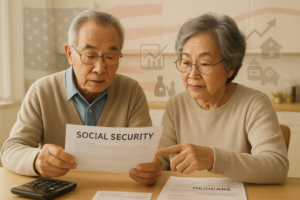
The keyword social security inflation adjustment 2027 is drawing attention because many retirees, disabled beneficiaries, and family caregivers want to know one simple thing: will Social Security payments rise enough in 2027 to keep up with real living costs?

While the official 2027 adjustment has not been announced yet, it helps to understand how the process works. In the United States, Social Security benefits are often increased through a Cost-of-Living Adjustment (COLA). COLA is designed to help benefits keep pace with inflation, meaning the rising price of everyday goods and services such as housing, groceries, transportation, and medical care.

For Korean-speaking seniors and their families, this topic matters not only financially but also linguistically. Many people receive English-only notices, benefit letters, Medicare premium updates, or banking documents that can be difficult to interpret correctly. Understanding terms like inflation, benefit adjustment, gross benefit, net payment, and Medicare premium deduction can make a real difference in household planning.

What does social security inflation adjustment 2027 actually mean?

When people search for social security inflation adjustment 2027, they are usually asking about the possible COLA for 2027 benefits. The Social Security Administration (SSA) typically bases COLA on inflation data, especially changes in the Consumer Price Index used for urban wage earners and clerical workers, often referred to as CPI-W.

If inflation rises, benefits may increase. If inflation is mild, the adjustment may be smaller. The goal is not to create a bonus, but to preserve purchasing power. In other words, if prices go up, retirees should not be left too far behind.

  • COLA (Cost-of-Living Adjustment): 물가연동 조정
  • Inflation: 인플레이션, 물가상승
  • Benefit adjustment: 급여 조정
  • Monthly benefit: 월 수령액
  • Purchasing power: 구매력

Why 2027 matters for retirees and disabled beneficiaries

Even a small percentage increase can matter a lot for people living on fixed income. A retiree receiving Social Security retirement benefits, a person receiving SSDI (Social Security Disability Insurance), or a survivor beneficiary may all feel the impact differently depending on rent, medication costs, and insurance premiums.

For example, if inflation stays elevated through 2026, the social security inflation adjustment 2027 could become an important financial cushion. But if Medicare Part B premiums also rise, part of that increase may effectively disappear. That is why many households should focus not only on the headline COLA percentage, but also on their actual net deposit after deductions.

This is especially important for seniors who compare:

  • monthly Social Security income
  • Medicare premium increases
  • prescription drug costs
  • housing and utility bills
  • food and transportation expenses

How inflation affects real-life household budgets

Inflation does not affect every family equally. A general inflation number may look manageable on paper, but older adults often spend a larger share of income on healthcare, rent, and groceries. Those categories can rise faster than average.

That means the social security inflation adjustment 2027 may help, but not always enough to fully offset real-world expenses. A family helping elderly parents should review whether the projected increase would cover:

  1. higher Medicare or supplemental insurance costs
  2. co-pays for doctor visits and hospital services
  3. rising food prices
  4. property tax or rent increases
  5. caregiving, transportation, or home support services

For Korean-American families, multigenerational budgeting is common. Adult children may assist parents with benefit paperwork, bank statements, tax forms, or medical bills. In those situations, accurate translation is not just convenient; it helps prevent misunderstandings about income, eligibility, and payment timing.

What to watch for in official SSA and Medicare notices

If you are following the social security inflation adjustment 2027, pay close attention to official announcements from the SSA and Medicare. Important updates often include:

  • the annual COLA percentage
  • the new monthly benefit amount
  • Medicare Part B premium changes
  • deductions taken before payment
  • benefit verification letters
  • direct deposit notices

These documents may look straightforward, but the wording can be technical. For example, a letter may show a higher gross benefit while the actual deposit remains smaller than expected because of premium deductions or withholding. Families who rely only on a quick guess may misread the true impact.

Why language access matters for Korean-speaking households

Many Korean-speaking seniors are comfortable discussing daily life in English but still prefer Korean for legal, financial, and medical information. That is completely understandable. Terms related to Social Security, retirement, disability, Medicare, and tax withholding can be confusing even for native English speakers.

Professional Korean-English translation and interpretation can help when reviewing:

  • Social Security benefit letters
  • COLA and inflation notices
  • Medicare enrollment documents
  • appeal or reconsideration paperwork
  • disability-related medical records
  • banking or direct deposit forms

This is where a specialized language provider can support families. If a parent receives an English notice about a benefit adjustment, certified translation or over-the-phone interpretation may help the family confirm what changed, when it takes effect, and whether follow-up action is needed.

Practical steps while waiting for the 2027 adjustment

No one can confirm the final social security inflation adjustment 2027 before the government releases official figures. Still, families can prepare now.

  1. Track inflation trends. Watch major cost categories such as groceries, rent, and medical expenses.
  2. Review current benefit letters. Know the difference between gross benefits and net payments.
  3. Estimate Medicare deductions. A higher benefit does not always mean a much larger deposit.
  4. Organize important documents. Keep SSA letters, Medicare notices, and tax forms in one place.
  5. Get language support early. If English notices are difficult, arrange professional Korean translation or interpretation before deadlines arrive.

Bottom line

The growing interest in social security inflation adjustment 2027 shows how closely families are watching the economy. For retirees, SSDI recipients, survivors, and caregivers, COLA is more than a headline number. It affects real spending power, healthcare budgeting, and peace of mind.

For Korean-speaking households, the challenge is often twofold: understanding both the financial impact and the English-language paperwork that explains it. By learning how COLA works and by using reliable Korean-English translation or certified interpretation when needed, families can make better decisions and avoid costly confusion.

As 2027 approaches, keep an eye on official SSA updates, Medicare premium announcements, and any benefit letter that changes your monthly payment. A small adjustment on paper can have a big effect on daily life.

한국어 버전

social security inflation adjustment 2027에 대한 관심이 높아지는 이유는 간단합니다. 미국 사회보장연금(Social Security) 수령자들이 2027년에 월 수령액이 얼마나 오를지, 그리고 그 인상분이 실제 생활비 상승을 따라갈 수 있을지 궁금해하기 때문입니다.

아직 2027년 공식 조정률은 발표되지 않았지만, 먼저 COLA(Cost-of-Living Adjustment, 물가연동 조정)가 무엇인지 이해하는 것이 중요합니다. COLA는 인플레이션, 즉 물가상승에 맞춰 사회보장 급여를 조정하는 제도입니다. 식료품, 주거비, 교통비, 의료비가 오르면 은퇴자나 장애 수급자의 구매력이 떨어질 수 있기 때문에 이를 어느 정도 보완하려는 목적이 있습니다.

social security inflation adjustment 2027의 의미

이 키워드를 검색하는 분들은 대체로 “2027년에 사회보장연금이 얼마나 오를까?”를 알고 싶어 합니다. 미국 사회보장청(SSA)은 보통 물가 지표를 바탕으로 COLA를 산정합니다. 대표적으로 CPI-W라는 소비자물가지수가 활용됩니다.

물가가 많이 오르면 COLA도 커질 가능성이 있고, 물가 상승이 완만하면 조정폭도 작아질 수 있습니다. 중요한 점은 이것이 보너스가 아니라, 생활비 상승에 맞춰 구매력(purchasing power)을 유지하기 위한 조정이라는 것입니다.

은퇴자·장애 수급자에게 왜 중요한가

고정 수입으로 생활하는 시니어에게는 1~2% 차이도 매우 크게 느껴질 수 있습니다. 은퇴연금 수령자, SSDI(장애연금) 수급자, 유족급여 수령자 모두 각자의 상황에서 영향을 받습니다. 특히 렌트비, 처방약 비용, 병원 진료비가 계속 오르면 COLA 인상분이 체감되지 않을 수 있습니다.

여기서 꼭 봐야 할 것은 단순한 인상률이 아니라 실수령액(net payment)입니다. 예를 들어 월 급여가 올라도 Medicare Part B premium이 함께 인상되면 실제 통장에 들어오는 돈은 기대보다 적을 수 있습니다. 그래서 social security inflation adjustment 2027을 볼 때는 메디케어 공제까지 함께 확인해야 합니다.

가계에 미치는 실제 영향

인플레이션은 모든 가정에 똑같이 작용하지 않습니다. 고령층은 일반적으로 의료비와 식비, 주거비 비중이 높기 때문에 평균 물가보다 더 큰 부담을 느끼는 경우가 많습니다. 따라서 2027년 조정이 있더라도 실제 생활에서는 충분하지 않을 수 있습니다.

가족이 함께 점검해볼 항목은 다음과 같습니다.

  • 메디케어 및 보충보험 비용
  • 병원 코페이(co-pay)와 약값
  • 식료품 가격 상승
  • 렌트비 또는 재산세 증가
  • 간병, 교통, 홈케어 서비스 비용

특히 한인 가정은 부모와 자녀가 함께 재정을 관리하는 경우가 많습니다. 이때 사회보장 관련 서류, 은행 입금 내역, 세금 문서, 병원 청구서를 정확히 이해하는 것이 매우 중요합니다.

SSA·메디케어 공지를 볼 때 주의할 점

social security inflation adjustment 2027 관련 정보를 확인할 때는 반드시 공식 공지를 기준으로 해야 합니다. 보통 확인해야 할 내용은 다음과 같습니다.

  • 연간 COLA 인상률
  • 새로운 월 급여 금액
  • 메디케어 파트 B 보험료 변동
  • 공제 후 실제 입금액
  • Benefit verification letter
  • Direct deposit notice

문제는 이런 문서가 대부분 영어로 오고, 표현도 행정·금융 용어 중심이라는 점입니다. 겉으로는 급여가 올랐는데 실제 입금액은 거의 차이가 없는 경우도 있어, 서류를 정확히 읽지 않으면 혼동하기 쉽습니다.

한인 가정에 번역·통역이 필요한 이유

많은 한인 시니어분들이 일상 영어는 가능해도 재정, 법률, 의료 관련 문서는 한국어로 확인해야 더 안심하십니다. 이는 매우 자연스러운 일입니다. Social Security, Medicare, disability, withholding 같은 용어는 영어 원어민에게도 쉽지 않습니다.

전문적인 한영 번역·통역이 도움이 되는 대표적인 상황은 다음과 같습니다.

  • 사회보장 급여 통지서 확인
  • COLA 및 인플레이션 관련 공문 해석
  • 메디케어 등록 서류 검토
  • 이의신청(appeal) 또는 재심사 서류 준비
  • 장애 관련 의료기록 번역
  • 은행 자동입금 및 계좌 문서 확인

특히 부모님이 영어 안내문을 받았을 때, 전문 번역이나 통역을 통해 “무엇이 바뀌었는지, 언제부터 적용되는지, 추가 조치가 필요한지”를 정확히 파악할 수 있습니다.

지금 준비하면 좋은 점

아직 최종 social security inflation adjustment 2027 수치는 나오지 않았지만, 미리 대비할 수는 있습니다.

  1. 최근 물가 흐름을 체크합니다.
  2. 현재 Benefit letter를 다시 확인합니다.
  3. 메디케어 보험료 공제 예상치를 봅니다.
  4. SSA, Medicare, 세금 서류를 한곳에 정리합니다.
  5. 영어 문서가 어렵다면 미리 번역·통역 지원을 준비합니다.

마무리

social security inflation adjustment 2027은 단순한 뉴스 키워드가 아닙니다. 은퇴자와 장애 수급자, 그리고 가족의 실제 생활비와 직결되는 중요한 정보입니다. COLA가 오르면 도움이 되지만, 메디케어 비용과 기타 생활비 상승까지 함께 봐야 진짜 영향을 알 수 있습니다.

한인 가정의 경우 여기에 언어 장벽까지 더해질 수 있습니다. 영어 원문 공지, benefit letter, 의료·재정 서류를 정확히 이해하려면 전문적인 한국어 번역과 통역이 큰 도움이 됩니다. 2027년이 가까워질수록 사회보장청 공식 발표와 메디케어 공지를 꾸준히 확인하시고, 필요한 경우 신뢰할 수 있는 언어 서비스를 활용해 혼선을 줄이시기 바랍니다.

Why a Korean Medical Interpreter Matters in U.S. Healthcare | 미국 의료 현장에서 한국어 의료통역이 중요한 이유

When a patient and healthcare provider do not share the same language, even a routine medical visit can become stressful, confusing, and risky. In the United States, a professional korean medical interpreter plays a critical role in helping Korean-speaking patients understand their care and communicate clearly with doctors, nurses, specialists, and insurance representatives. From the front desk to the emergency room, accurate interpretation supports safer decisions, better outcomes, and greater confidence for everyone involved.

Medical communication is not just about translating words. It involves symptoms, treatment options, side effects, consent, follow-up instructions, billing questions, and sensitive personal information. A trained korean medical interpreter helps ensure that meaning is conveyed accurately and completely, reducing the chance of misunderstanding at important moments.

Why professional medical interpretation matters

In healthcare, small communication errors can have serious consequences. A patient may misunderstand how to prepare for a procedure, when to stop eating before surgery, how often to take medication, or what warning signs require urgent attention. A provider may miss key details about medical history, allergies, pain levels, or prior diagnoses if the conversation is incomplete.

A professional korean medical interpreter helps reduce these risks by facilitating accurate, neutral, and confidential communication. This improves patient understanding and supports providers in making informed clinical decisions. It also helps patients ask questions they might otherwise avoid because of language barriers.

  • Improved patient safety: Clear interpretation helps prevent misunderstandings related to medications, procedures, and follow-up care.
  • Better understanding: Patients can better understand diagnoses, test results, treatment plans, and next steps.
  • More accurate provider assessment: Doctors receive more complete information about symptoms, history, and concerns.
  • Reduced stress: Patients and families feel more supported during difficult or emotional medical situations.
  • Stronger compliance: Patients are more likely to follow instructions correctly when they fully understand them.

Common situations where a korean medical interpreter is needed

Many people think interpretation is only necessary for major procedures, but language support is valuable throughout the healthcare journey. Here are common situations where a korean medical interpreter is especially important.

1. Hospital registration and clinic check-in

The need for interpretation often begins before the patient sees a doctor. Registration staff may ask for identification, insurance information, referral details, prior records, and consent forms. If the patient does not fully understand these questions, delays and errors can happen immediately.

An interpreter can assist with basic intake communication, ensuring that personal details, insurance data, and appointment information are handled correctly from the start.

2. Specialist consultations

Appointments with specialists often involve more technical language than a routine primary care visit. Cardiology, oncology, neurology, gastroenterology, orthopedics, and other specialties may require detailed discussion of symptoms, imaging, treatment options, and possible risks. A professional interpreter helps the patient understand the provider’s explanation and helps the provider understand the patient’s concerns in full context.

3. Emergency room visits

In the emergency room, communication must happen quickly and accurately. Patients may need to describe pain, injuries, medications, allergies, and what happened before arrival. Providers may need to explain tests, immediate treatment, or whether hospital admission is necessary. In urgent situations, a korean medical interpreter can be essential for timely and safe care.

4. Diagnostic tests and result explanations

Blood tests, imaging studies, biopsies, endoscopy, and other diagnostic procedures often come with preparation instructions and follow-up explanations. Patients need to understand what the test is for, how to prepare, what to expect, and what the results mean. Interpretation is especially important when the findings are complex or when further treatment is recommended.

5. Surgery and informed consent

Before surgery or invasive treatment, providers must explain the nature of the procedure, expected benefits, possible risks, alternatives, and recovery expectations. Patients should have the opportunity to ask questions before signing consent forms. A professional korean medical interpreter supports informed consent by helping ensure that the patient truly understands the information being presented.

6. Insurance and billing communication

Healthcare communication does not end with the doctor. Patients may also need help discussing prior authorization, referrals, covered services, co-pays, deductibles, claims, and billing disputes. Misunderstanding insurance terms can create financial stress and treatment delays. Interpretation can help patients navigate these conversations more confidently.

Professional interpreter vs. family member interpretation

Many Korean-speaking patients naturally turn to a spouse, adult child, or friend for help. While family support can be comforting, relying on relatives for medical interpretation can create serious problems. Family members may omit information, summarize inaccurately, add their own opinions, or struggle with medical terminology. In emotionally difficult situations, they may also filter bad news or avoid sensitive topics.

A professional korean medical interpreter is trained to interpret accurately and impartially. Professional interpreters understand medical terminology, maintain confidentiality, and support direct communication between patient and provider. This is especially important in cases involving surgery, cancer care, mental health, reproductive health, chronic illness, and complex treatment decisions.

Telephone, video, and in-person interpretation: what is the difference?

Different medical settings call for different interpreting formats. Choosing the right mode depends on urgency, complexity, privacy needs, and logistics.

  • Telephone interpreting: Fast and convenient for scheduling, brief follow-ups, insurance calls, and simple clinic communication. It is useful when immediate language support is needed.
  • Video remote interpreting: Combines convenience with visual cues. This is often a strong option for telehealth, outpatient visits, and conversations where facial expression and nonverbal communication matter.
  • In-person interpreting: Best for longer, more complex, or highly sensitive appointments such as surgery consultations, hospital admissions, difficult diagnoses, and legal-medical evaluations.

An experienced language service provider can help determine which format is most appropriate for a specific medical encounter.

Privacy and confidentiality in medical interpretation

Medical conversations often involve highly sensitive information. Patients may need to discuss diagnoses, medications, mental health concerns, pregnancy, immigration-related stress, or financial hardship. That is why confidentiality matters.

A professional korean medical interpreter should follow strict privacy standards and handle patient information with care. In the U.S. healthcare context, privacy expectations are closely connected to HIPAA and related confidentiality practices. Working with a professional service helps patients and providers communicate more securely than relying on informal interpretation.

How to prepare when booking a korean medical interpreter

To make the session smoother, it helps to prepare a few details in advance:

  1. The date, time, and location of the appointment
  2. The provider or department name
  3. The type of appointment, such as consultation, test, surgery discussion, or insurance call
  4. Whether interpretation is needed by phone, video, or in person
  5. Any known medical specialty involved
  6. Whether documents or forms may need language support

If the matter is urgent, mention that clearly when making the request. The more context the interpreter receives, the better they can support accurate communication.

Clear communication leads to better care

Healthcare decisions should never be left to guesswork. Whether you need help with a first clinic visit, a specialist consultation, an emergency room discussion, test results, surgery consent, or insurance communication, a qualified korean medical interpreter helps bridge the language gap with professionalism and care.

At koreaninterpreters.net, we support Korean-English communication for medical, legal, and professional settings. If you are scheduling care in the United States and need reliable interpretation, contact us to discuss telephone, video, or in-person service options. Clear communication can make a meaningful difference in safety, understanding, and peace of mind.

한국어 버전

미국 의료 현장에서 환자와 의료진이 같은 언어를 사용하지 않으면, 단순한 진료도 큰 부담이 될 수 있습니다. 이때 korean medical interpreter, 즉 전문 한국어 의료통역은 환자와 의료진 사이의 정확한 의사소통을 돕는 중요한 역할을 합니다. 병원 접수부터 전문의 상담, 응급실, 검사 결과 설명, 수술 동의, 보험 상담까지 통역이 필요한 상황은 매우 다양합니다.

의료통역은 단순히 단어를 바꾸는 일이 아닙니다. 증상 설명, 병력 확인, 약 복용법, 검사 준비사항, 치료 옵션, 부작용, 퇴원 후 주의사항처럼 환자 안전과 직접 연결되는 내용을 정확하게 전달해야 합니다. 전문 korean medical interpreter가 있으면 환자는 자신의 상태를 더 분명히 설명할 수 있고, 의료진도 필요한 정보를 더 정확히 파악할 수 있습니다.

왜 전문 의료통역이 중요한가

의료 현장에서는 작은 오해도 큰 문제로 이어질 수 있습니다. 예를 들어 수술 전 금식 시간을 잘못 이해하거나, 약 복용 횟수를 혼동하거나, 알레르기 정보를 정확히 전달하지 못하면 위험이 커집니다. 전문 통역은 이런 위험을 줄이고, 환자가 진단과 치료 계획을 제대로 이해하도록 돕습니다.

  • 환자 안전 향상: 약물, 시술, 사후관리 관련 오해를 줄일 수 있습니다.
  • 이해도 향상: 진단명, 검사 결과, 치료 방향을 더 정확히 이해할 수 있습니다.
  • 정확한 정보 전달: 의료진이 환자의 증상과 병력을 더 구체적으로 파악할 수 있습니다.
  • 심리적 안정: 언어 장벽으로 인한 불안과 긴장을 줄여줍니다.
  • 치료 순응도 개선: 설명을 충분히 이해한 환자가 지시를 더 잘 따를 가능성이 높습니다.

어떤 상황에서 korean medical interpreter가 필요한가

1. 병원 접수 및 초진 등록

진료 전에 신분증, 보험 정보, 의뢰서, 기존 병력, 동의서 작성 등이 필요할 수 있습니다. 이 과정에서 내용을 잘못 이해하면 접수가 지연되거나 정보가 틀릴 수 있습니다. 통역은 초기 단계부터 정확한 의사소통을 돕습니다.

2. 전문의 상담

심장내과, 종양내과, 신경과, 정형외과 등 전문 진료는 의학 용어가 많고 설명도 복잡합니다. 전문 통역은 의료진의 설명을 정확히 전달하고, 환자의 질문과 우려도 빠짐없이 전달하도록 도와줍니다.

3. 응급실 방문

응급실에서는 통증 부위, 증상 발생 시점, 복용 중인 약, 알레르기, 사고 경위 등을 신속하게 설명해야 합니다. 이때 korean medical interpreter는 빠르고 정확한 의사소통을 가능하게 해 적절한 처치에 도움을 줍니다.

4. 검사 및 결과 설명

혈액검사, CT, MRI, 내시경, 조직검사 등은 준비사항과 결과 설명이 중요합니다. 검사 목적, 주의사항, 결과 의미, 추가 치료 필요성까지 정확히 이해해야 하므로 통역이 큰 도움이 됩니다.

5. 수술 전 설명과 동의서

수술이나 침습적 시술 전에는 절차, 기대 효과, 위험성, 대체 치료, 회복 과정에 대한 설명이 제공됩니다. 환자가 충분히 이해한 상태에서 동의하는 것이 매우 중요하므로 전문 통역의 역할이 큽니다.

6. 보험 및 비용 상담

미국 의료 시스템에서는 사전 승인, 보장 범위, 본인부담금, 디덕터블, 청구서 문의 등 보험 관련 대화도 중요합니다. 잘못 이해하면 치료 지연이나 예상치 못한 비용이 발생할 수 있어 통역 지원이 유용합니다.

가족 통역과 전문 통역의 차이

가족이나 지인이 통역을 도와주는 경우가 많지만, 의료 현장에서는 한계가 분명합니다. 중요한 내용을 요약하거나 빠뜨릴 수 있고, 의학 용어를 정확히 알지 못할 수 있으며, 민감한 내용을 대신 걸러서 전달할 수도 있습니다. 반면 전문 korean medical interpreter는 정확성, 중립성, 비밀보호 원칙에 따라 통역합니다.

전화·화상·대면 통역의 차이

  • 전화 통역: 예약, 간단한 문의, 보험 상담, 짧은 후속 통화에 적합합니다.
  • 화상 통역: 비언어적 표현까지 확인할 수 있어 외래 진료나 원격진료에 유리합니다.
  • 대면 통역: 수술 상담, 입원, 중대한 진단 설명처럼 복잡하고 민감한 상황에 가장 적합합니다.

개인정보 보호와 HIPAA 관점

의료 대화에는 매우 민감한 개인정보가 포함됩니다. 진단명, 약물, 정신건강, 임신, 가족력, 재정 상황 등은 철저한 비밀보호가 필요합니다. 전문 통역 서비스는 HIPAA와 같은 미국 의료 개인정보 보호 기준을 고려하여 보다 안전한 커뮤니케이션을 지원합니다.

예약 시 미리 준비하면 좋은 사항

  1. 진료 날짜, 시간, 장소
  2. 병원명 또는 진료과명
  3. 진료 유형: 초진, 전문의 상담, 검사 설명, 수술 상담 등
  4. 통역 방식: 전화, 화상, 대면
  5. 관련 서류나 양식 지원 필요 여부

상황이 긴급하거나 전문 분야가 정해져 있다면 미리 알려주는 것이 좋습니다. 준비가 잘 될수록 통역 품질도 높아집니다.

정확한 의사소통이 더 나은 진료를 만듭니다

의료 결정은 추측이 아니라 정확한 이해를 바탕으로 이루어져야 합니다. 병원 예약, 전문의 상담, 응급실 방문, 검사 결과 설명, 수술 동의, 보험 상담 등 어떤 상황이든 신뢰할 수 있는 korean medical interpreter는 환자와 의료진 모두에게 큰 도움이 됩니다.

koreaninterpreters.net은 한국어-영어 통번역 서비스를 통해 의료, 법률, 비즈니스 현장에서 정확한 커뮤니케이션을 지원합니다. 미국 내 의료통역이 필요하시면 전화·화상·대면 서비스 옵션에 대해 편하게 문의해 주세요.

Apple Pay Down? Emergency Guide to Payment Errors, Wallet Verification, and Fast Fixes | 애플페이 장애? 결제 오류·지갑 인증·즉시 해결 가이드

If you are searching for apple pay down, you probably need an answer immediately: is Apple Pay having a system-wide outage, or is the problem limited to your phone, card, bank, or store terminal? In many cases, Apple Pay failures are temporary and can be fixed in a few minutes. But when alerts, bank notices, or customer support messages appear only in English, Korean-speaking users may have trouble understanding what to do next.

This guide is designed for real-time troubleshooting. It explains the most common reasons Apple Pay may stop working and translates important support terms such as payment error, wallet services, and bank verification into practical Korean-friendly explanations.

1. First: Is Apple Pay really down?

Before changing settings, check whether the issue is widespread. Search recent reports on social media, outage trackers, or official service pages. If many users are reporting the same problem, the keyword apple pay down may reflect a real service disruption.

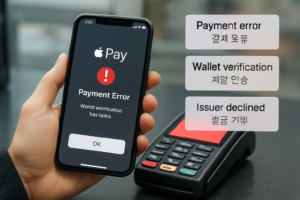
  • Apple Pay down: Apple Pay service may be temporarily unavailable
  • Wallet services unavailable: Wallet-related functions are not working normally
  • Payment error: A payment attempt failed
  • Issuer declined transaction: The card-issuing bank rejected the payment

If there is no confirmed outage, the issue may be local: your device, your card, your network, or the merchant terminal.

2. Check your iPhone basics

A surprising number of Apple Pay errors come from simple device conditions. Review these first:

  1. Restart your iPhone. Temporary software glitches can interrupt NFC payments.
  2. Update iOS. An outdated version may affect Wallet or payment authentication.
  3. Confirm Face ID or Touch ID is working. If biometric authentication fails, Apple Pay may not complete.
  4. Make sure region and date/time settings are correct. Incorrect device settings can interfere with secure verification.
  5. Check that Wallet is enabled. Open Settings and confirm your wallet and card options are active.

If your phone recently changed language, region, SIM card, or Apple ID settings, Apple Pay may require new verification.

3. Review wallet verification status

One of the most common hidden causes behind apple pay down searches is not an outage at all, but incomplete card verification. In the Wallet app, tap your card and look for warnings or pending actions.

Common messages include:

  • Verification Required – 카드 인증 필요
  • Contact Your Card Issuer – 카드 발급사에 문의하세요
  • Card Not Available for Apple Pay – 해당 카드는 Apple Pay 사용 불가
  • Payment Not Completed – 결제가 완료되지 않음

If you see a verification message, your bank may need to confirm your identity by text message, app notification, phone call, or secure login. This is often described as bank verification or issuer authentication. If the bank’s message is in English, users may miss an urgent action request.

4. Check with your card issuer or bank

Even when Apple Pay itself is working, your bank may block a transaction for security reasons. This is especially common after overseas travel, a new device setup, unusual spending, or repeated failed attempts.

Ask your bank these questions:

  • Is my card active for Apple Pay?
  • Was my transaction declined by the issuer?
  • Do I need to re-verify my card in Wallet?
  • Is there a fraud alert or spending restriction on my account?

Important support phrases:

  • Issuer declined – 카드사 승인 거절
  • Suspicious activity detected – 의심 거래 감지
  • Please verify your identity – 본인 확인이 필요합니다
  • Your card has been temporarily restricted – 카드가 일시 제한되었습니다

For Korean-speaking customers, bilingual support matters here. A short misunderstanding in a fraud alert or verification notice can delay payment, travel, medical appointments, or legal services.

5. Test your network and Apple ID session

Although in-store Apple Pay uses NFC, some wallet functions still depend on a healthy device session, internet access, and Apple account communication. If you are seeing repeated setup or verification errors:

  • Switch between Wi-Fi and mobile data
  • Turn Airplane Mode on and off
  • Sign out and back into Apple ID only if necessary and only after checking card access implications
  • Disable VPN temporarily if it may interfere with regional services

If your wallet cannot refresh card status, the issue may look like apple pay down even when the real problem is connectivity.

6. The store terminal may be the problem

Sometimes your phone and card are fine, but the merchant’s payment terminal is not accepting contactless transactions. This is common when:

  • The NFC reader is offline
  • The terminal software is outdated
  • The cashier selected the wrong payment mode
  • The store accepts cards but not mobile wallet tap payments for that transaction type

Useful English phrases you may hear at a store:

  • The reader is down – 단말기가 작동하지 않음
  • Tap to pay is unavailable – 비접촉 결제 사용 불가
  • Please insert or swipe your card – 카드를 꽂거나 긁어 주세요
  • Try another payment method – 다른 결제 수단을 시도해 주세요

When users search apple pay down, they often assume Apple is the cause, but retail hardware failure is a frequent reason.

7. Fast step-by-step troubleshooting checklist

  1. Check whether Apple Pay is broadly down or only failing for you.
  2. Restart your iPhone and confirm iOS is updated.
  3. Open Wallet and review card verification alerts.
  4. Try a different card in Apple Pay if available.
  5. Test at another store or terminal.
  6. Check bank app alerts, text messages, and email notices.
  7. Contact your card issuer and ask whether the transaction was declined.
  8. Use an alternative payment method while the issue is being resolved.

8. Best alternative payment methods

If apple pay down is affecting your purchase right now, do not wait too long at checkout. Prepare a backup:

  • Physical credit or debit card
  • Another mobile wallet
  • Cash
  • Bank app card number access for online payment
  • A second verified card already saved in Wallet

For urgent situations such as hospital registration, pharmacy pickup, transportation, or legal document processing, a backup payment method is essential.

9. Why bilingual support matters in payment emergencies

Payment failures are not only technical issues. They are communication issues. A user may receive an English-only message saying verification failed, issuer review required, or wallet services unavailable and not know whether the problem is with Apple, the bank, the card, or the store.

This is where bilingual customer support, translation, and interpretation become important. In finance, telecommunications, healthcare, and legal settings, users often need fast and accurate explanation of service notices, fraud warnings, identity checks, and payment restrictions. Clear Korean-English communication reduces confusion, prevents repeat errors, and helps customers act quickly.

For brands and service providers, this trend also shows a larger opportunity: real-time technical support content should not be English-only. Bilingual guidance improves trust, accessibility, and customer retention.

10. Final answer: what to do if Apple Pay is not working

If you searched apple pay down, start by separating a true outage from a personal setup or bank issue. Check your iPhone, Wallet verification, card issuer status, network condition, and the store terminal. Most Apple Pay problems fall into one of those categories.

If the issue is urgent and the support instructions are unclear, bilingual assistance can make the difference between a delayed transaction and a quick resolution. In payment, medical, and legal contexts, understanding the exact meaning of an English error message is not a luxury. It is part of effective problem-solving.

한국어 버전

apple pay down을 검색하고 있다면, 지금 가장 궁금한 것은 하나일 것입니다. 정말 애플페이에 전체 장애가 생긴 것인지, 아니면 내 아이폰·카드·은행·매장 단말기 중 한 곳의 문제인지 확인하는 것입니다. 실제로 많은 경우 Apple Pay 결제 실패는 몇 분 안에 해결되지만, 안내 문구가 영어로만 나오면 한국어 사용자에게는 원인 파악이 쉽지 않습니다.

이 글은 실시간 문제 해결용 가이드입니다. Apple Pay가 작동하지 않을 때 무엇부터 확인해야 하는지, 그리고 payment error, wallet services, bank verification 같은 핵심 표현이 실제로 무슨 뜻인지 한국어 기준으로 정리했습니다.

1. 먼저, Apple Pay 전체 장애인지 확인

가장 먼저 해야 할 일은 진짜 서비스 장애 여부 확인입니다. 공식 공지, SNS, 장애 추적 사이트에서 같은 시간대에 다수 사용자가 문제를 겪는지 확인해 보세요. 많은 사람이 동시에 apple pay down을 검색하고 있다면 일시적인 서비스 장애일 수 있습니다.

  • Apple Pay down: 애플페이 서비스 일시 장애
  • Wallet services unavailable: 지갑 서비스 사용 불가
  • Payment error: 결제 오류
  • Issuer declined transaction: 카드사 승인 거절

공식 장애가 아니라면, 문제는 내 기기나 카드, 은행, 또는 매장 단말기에 있을 가능성이 큽니다.

2. 아이폰 기본 상태 점검

  1. 아이폰 재시작: 일시적인 소프트웨어 오류를 먼저 제거합니다.
  2. iOS 업데이트 확인: 오래된 버전은 Wallet 인증에 영향을 줄 수 있습니다.
  3. Face ID/Touch ID 확인: 생체 인증이 실패하면 결제가 진행되지 않을 수 있습니다.
  4. 날짜·시간·지역 설정 확인: 보안 인증과 연동되는 경우가 있습니다.
  5. Wallet 설정 활성화 확인: 카드와 지갑 기능이 정상 활성화되어 있는지 봅니다.

최근에 Apple ID, 지역, 유심, 언어 설정을 바꿨다면 카드 재인증이 필요할 수 있습니다.

3. Wallet 카드 인증 상태 확인

apple pay down처럼 보이지만 실제로는 카드 인증 미완료인 경우가 많습니다. Wallet 앱에서 카드에 경고나 추가 조치가 표시되는지 확인하세요.

  • Verification Required – 카드 인증 필요
  • Contact Your Card Issuer – 카드 발급사 문의 필요
  • Card Not Available for Apple Pay – Apple Pay 사용 불가 카드
  • Payment Not Completed – 결제 미완료

이 경우 은행이 문자, 앱 알림, 전화, 로그인 인증 등으로 본인 확인을 요구할 수 있습니다. 이것이 바로 bank verification, 즉 은행 본인 인증입니다.

4. 카드사·은행 문제 확인

Apple Pay 자체는 정상이어도 카드사가 보안상 거래를 막는 경우가 있습니다. 해외 사용, 새 기기 등록, 반복 결제 실패, 비정상 소비 패턴 등이 원인일 수 있습니다.

은행이나 카드사에 이렇게 물어보면 됩니다.

  • 내 카드가 Apple Pay에 정상 등록되어 있나요?
  • 이번 결제가 카드사에서 거절되었나요?
  • Wallet에서 카드 재인증이 필요한가요?
  • 이상 거래 감지나 사용 제한이 걸렸나요?

자주 나오는 영어 문구도 알아두면 좋습니다.

  • Issuer declined – 카드사 승인 거절
  • Suspicious activity detected – 이상 거래 감지
  • Please verify your identity – 본인 확인 필요
  • Your card has been temporarily restricted – 카드 일시 제한

5. 네트워크와 계정 상태 확인

매장 결제는 NFC 기반이지만, 카드 상태 갱신이나 인증 과정은 네트워크와 Apple 계정 연결 상태의 영향을 받을 수 있습니다. 반복 오류가 나면 Wi-Fi와 모바일 데이터를 바꿔 보고, 비행기 모드를 껐다 켜 보세요. VPN 사용 중이라면 일시 해제도 도움이 될 수 있습니다.

6. 매장 단말기 문제일 수도 있음

사용자는 apple pay down이라고 생각하지만, 실제 원인은 매장 결제 단말기인 경우도 많습니다. NFC 리더기 오류, 단말기 소프트웨어 문제, 계산원의 결제 모드 선택 오류 등으로 비접촉 결제가 실패할 수 있습니다.

  • The reader is down – 단말기 고장
  • Tap to pay is unavailable – 태그 결제 불가
  • Please insert or swipe your card – 실물 카드 사용 요청
  • Try another payment method – 다른 결제 수단 시도

7. 빠른 해결 체크리스트

  1. 전체 장애인지 확인
  2. 아이폰 재시작 및 iOS 업데이트 확인
  3. Wallet 카드 인증 상태 점검
  4. 다른 카드로 시도
  5. 다른 매장 또는 다른 단말기에서 테스트
  6. 은행 앱·문자·이메일 알림 확인
  7. 카드사에 승인 거절 여부 문의
  8. 대체 결제 수단 사용

8. 대체 결제 수단 준비

지금 당장 결제가 필요하다면 오래 기다리지 말고 백업 수단을 쓰는 것이 좋습니다. 실물 카드, 현금, 다른 모바일 월렛, Wallet에 등록된 다른 카드 등을 준비해 두세요. 병원 접수, 약국, 교통, 법률 서류 처리처럼 긴급 상황에서는 특히 중요합니다.

9. 왜 이중언어 지원이 중요한가

결제 장애는 단순한 기술 문제가 아니라 커뮤니케이션 문제이기도 합니다. 영어로만 뜨는 verification failed, issuer review required, wallet services unavailable 같은 문구를 정확히 이해하지 못하면 원인 파악과 대응이 늦어집니다.

금융, 통신, 의료, 법률 분야에서는 이런 짧은 안내 하나가 실제 서비스 이용에 큰 영향을 줍니다. 그래서 한국어-영어 이중언어 지원, 번역, 통역이 중요합니다. 빠르고 정확한 설명은 고객 혼란을 줄이고, 문제 해결 속도를 높이며, 신뢰를 강화합니다.

10. 결론

apple pay down을 검색했다면, 먼저 전체 장애인지 개인 설정 문제인지 구분해야 합니다. 그다음 아이폰 설정, Wallet 인증, 카드사 상태, 네트워크, 매장 단말기를 순서대로 확인하세요. 대부분의 Apple Pay 문제는 이 범위 안에서 원인을 찾을 수 있습니다.

특히 영어 안내문 해석이 어렵다면 이중언어 지원이 큰 도움이 됩니다. 결제, 의료, 법률처럼 중요한 상황일수록 정확한 의미 이해가 곧 빠른 해결입니다.

Korean Legal Document Translation: What Matters for Contracts, Court Filings, and Immigration Papers | 한국어 법률 문서 번역: 계약서, 소송 서류, 이민 서류 번역 시 중요한 기준

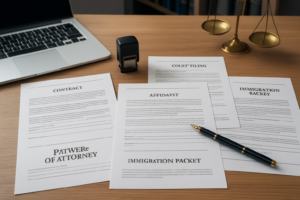
When legal rights, financial obligations, or immigration status are involved, korean legal document translation is not just a language task. It is a risk management task. A contract clause translated too literally, an affidavit rendered with the wrong legal nuance, or a court filing submitted with inconsistent terminology can create delays, disputes, or even case-related problems.

For that reason, clients looking for korean legal document translation usually need more than bilingual fluency. They need a provider that understands legal context, terminology consistency, formatting requirements, certification procedures, and deadline discipline. This is especially important for law firms, HR teams, healthcare organizations, cross-border businesses, and individuals handling litigation or immigration matters.

Common Documents That Require Korean Legal Document Translation

The demand for korean legal document translation often centers on a few high-stakes document categories. Each has its own terminology, formatting conventions, and legal implications.

  • Contracts and agreements: employment agreements, sales contracts, NDAs, distribution agreements, service agreements, lease agreements, and settlement agreements.
  • Affidavits and sworn statements: personal declarations, witness statements, notarized statements, and supporting documents for court or immigration use.
  • Court filings: complaints, answers, motions, exhibits, judgments, orders, and evidentiary documents.
  • Power of attorney documents: documents authorizing another person to act in legal, business, or family matters in Korea or the United States.
  • Immigration packets: birth certificates, marriage certificates, family relation certificates, criminal record documents, academic records, identity documents, and supporting legal statements.
  • Corporate legal records: articles of incorporation, board resolutions, shareholder documents, compliance materials, and internal policies.
  • Medical-legal materials: records used in injury claims, disability filings, malpractice matters, or insurance disputes.

Although these documents vary in purpose, they share one requirement: the translation must preserve legal meaning accurately and consistently.

Why Legal Accuracy Matters More Than Literal Translation

One of the biggest misconceptions in legal translation is that a word-for-word translation is automatically safer. In reality, literal translation can be misleading when legal systems use different concepts, document structures, or procedural language.

For example, a Korean legal expression may not have a perfect one-to-one English equivalent. If translated mechanically, the result may sound unnatural, ambiguous, or legally incomplete. A skilled legal translator instead identifies the closest functionally accurate term, while preserving the source meaning and the document’s legal intent.

This matters in several ways:

  • Terminology consistency: the same party name, legal concept, and clause reference must remain consistent across the full document set.
  • Jurisdiction awareness: Korean legal phrasing and U.S. legal phrasing may serve similar purposes but use different conventions.
  • Risk reduction: mistranslating indemnity, liability, authority, consent, or timeline language can materially change interpretation.
  • Procedural acceptance: courts, agencies, and law offices often expect clear, professional formatting and certification language when required.

In short, korean legal document translation should communicate legal effect, not just dictionary meaning.

What Clients Should Expect from a Trustworthy Provider

If you are selecting a vendor for korean legal document translation, especially for business or law firm use, quality should be evaluated through a practical checklist rather than price alone.

  1. Experience with legal document typesA qualified provider should be familiar with contracts, affidavits, court documents, powers of attorney, and immigration-related records. Legal translation requires pattern recognition: clause structures, evidentiary language, signature blocks, seals, and notarial wording all matter.
  2. Certification capability when neededSome filings require a certified translation statement. Clients should confirm whether the provider can supply certification for USCIS, court submissions, or other official uses. This is especially important for immigration packets and notarized supporting materials.
  3. Formatting fidelityLegal documents often rely on layout for usability. Headings, numbered clauses, tables, stamps, handwritten notes, signatures, and exhibit labels should be reflected carefully. Maintaining source formatting helps attorneys and reviewers compare the translation against the original efficiently.
  4. Confidentiality and document handlingLegal materials are sensitive. A professional provider should have secure file handling practices, confidentiality standards, and a clear process for protecting personal, financial, medical, and litigation-related information.
  5. Deadline managementLegal timelines are not flexible. Court dates, filing windows, visa deadlines, and closing schedules require disciplined turnaround planning. A reliable provider should communicate realistic timelines, rush options, and review stages upfront.
  6. Ability to collaborate with attorneys or in-house teamsFor complex matters, translation may need coordination with counsel. A strong provider can incorporate preferred terminology, style guides, party-name conventions, and matter-specific instructions from attorneys, paralegals, or compliance teams.

How Business Clients and Law Firms Should Evaluate a Vendor

For B2B buyers, korean legal document translation should be sourced like any other specialized professional service. The right vendor is not simply bilingual; the right vendor is operationally dependable.

Law firms and corporate legal departments should ask:

  • Has the provider handled similar legal documents before?
  • Can they manage multi-document matters with consistent terminology?
  • Do they understand certification requirements for immigration or court use?
  • Can they preserve formatting for comparison, filing, and recordkeeping?
  • Do they respond quickly when urgent revisions or supplemental pages arise?
  • Can they work with attorney comments and matter-specific glossaries?

These questions matter because legal translation projects often expand. A single contract may become a negotiation set. One immigration packet may require follow-up evidence. One dispute may involve affidavits, exhibits, and medical records. Choosing a provider with scalable workflow helps reduce friction over the life of the matter.

High-Risk Errors to Avoid

Clients seeking korean legal document translation should be aware of common quality failures that can create downstream problems:

  • Inconsistent translation of names, dates, and addresses
  • Mistranslation of legal relationships or authority
  • Omission of stamps, seals, annotations, or side notes
  • Overly literal rendering of Korean legal terminology
  • Failure to indicate illegible text or handwritten content properly
  • Poor formatting that makes review difficult for attorneys or agencies
  • Missed deadlines on urgent filings or application packets

Even small errors can cause requests for clarification, filing delays, credibility concerns, or contractual misunderstandings.

Choosing a Service You Can Trust

The best korean legal document translation service combines language skill with legal awareness, process control, and responsiveness. Whether the document is a contract, affidavit, court filing, power of attorney, or immigration packet, the goal is the same: deliver a translation that is accurate, usable, timely, and appropriate for its legal purpose.

For individuals, that means peace of mind when submitting important records. For businesses and law firms, it means a dependable partner who can support cross-border transactions, disputes, compliance work, and official filings with professionalism.

If your matter involves legal or official Korean-English documentation, it is worth choosing a provider that treats translation as part of the legal workflow—not as a simple text conversion task.

한국어 버전

계약상 권리, 금전적 의무, 이민 신분처럼 중요한 법적 문제가 걸려 있을 때 korean legal document translation은 단순한 언어 작업이 아닙니다. 이는 곧 리스크 관리입니다. 계약 조항이 직역되어 의미가 달라지거나, 진술서의 법률적 뉘앙스가 잘못 전달되거나, 소송 서류에서 용어가 일관되지 않으면 심사 지연, 분쟁, 보정 요청 등 실제 문제가 발생할 수 있습니다.

따라서 korean legal document translation이 필요한 고객은 단순히 한국어와 영어를 모두 잘하는 번역가보다, 법률 문서의 맥락과 용어 체계, 인증 요건, 납기 관리, 문서 형식 유지까지 이해하는 서비스를 필요로 합니다. 특히 로펌, 기업 법무팀, 인사팀, 의료기관, 해외 거래 기업, 이민·소송 당사자에게는 이러한 기준이 더욱 중요합니다.

번역 수요가 많은 대표 법률 문서

  • 계약서 및 합의서: 근로계약서, 비밀유지계약서, 서비스 계약서, 유통계약서, 임대차계약서, 합의서 등
  • 진술서 및 affidavit: 사실확인서, 진술서, 공증 진술서, 소송·이민 제출용 선언문
  • 소송 서류: 소장, 답변서, 신청서, 판결문, 명령문, 증거서류
  • 위임장: 한국 또는 미국에서 법률·가족·재산 업무를 대리하기 위한 power of attorney
  • 이민 패킷: 출생증명, 혼인관계증명, 가족관계증명, 범죄경력 관련 서류, 학력 문서, 신분증빙, 보충 진술서
  • 기업 법무 문서: 정관, 이사회 결의서, 주주 관련 문서, 컴플라이언스 자료
  • 의료-법률 문서: 상해, 보험, 장애, 의료분쟁과 관련된 기록

이들 문서는 종류는 달라도 공통적으로 법적 의미를 정확하게 보존해야 한다는 점이 핵심입니다.

직역보다 법적 정확성이 중요한 이유

법률 번역에서 흔한 오해는 “원문 그대로 한 단어씩 옮기는 것이 가장 안전하다”는 생각입니다. 하지만 실제로는 직역이 더 위험할 수 있습니다. 한국과 영어권 법체계는 개념, 문서 형식, 절차 용어가 서로 다르기 때문입니다.

예를 들어 한국 법률 용어 중에는 영어로 완전히 일대일 대응되는 표현이 없는 경우가 많습니다. 이때 기계적으로 옮기면 어색하거나 모호해지고, 때로는 법적 효력에 대한 이해를 왜곡할 수 있습니다. 숙련된 번역은 사전적 의미가 아니라 문서의 기능과 법적 의도를 기준으로 가장 정확한 표현을 선택합니다.

특히 다음 요소가 중요합니다.

  • 용어 일관성: 당사자명, 조항명, 법률 개념이 문서 전체에서 동일하게 유지되어야 합니다.
  • 오역 리스크 관리: 책임, 면책, 동의, 권한, 기한 관련 표현은 작은 차이도 분쟁으로 이어질 수 있습니다.
  • 제출 적합성: 법원, 이민국, 공증기관 제출용 문서는 형식과 인증 문구가 중요합니다.
  • 원문 구조 반영: 조항 번호, 표, 도장, 서명, 메모, 별지 표시 등을 충실히 살려야 검토가 수월합니다.

신뢰할 수 있는 번역 서비스의 기준

  1. 법률 문서 경험계약서, affidavit, 소송 서류, 위임장, 이민 서류를 실제로 다뤄본 경험이 있어야 합니다. 법률 문서는 일반 번역과 달리 문서 구조와 표현 패턴에 대한 이해가 필요합니다.
  2. 번역 인증 가능 여부이민 서류나 일부 공식 제출 문서는 certified translation이 요구될 수 있습니다. 번역 확인서 제공 가능 여부를 미리 확인하는 것이 중요합니다.
  3. 납기 관리법원 제출기한, 비자 접수일, 거래 종결 일정은 미룰 수 없습니다. 일정 산정이 정확하고, 급행 요청이나 수정 대응이 가능한 업체가 유리합니다.
  4. 원문 formatting 유지법률 문서는 내용뿐 아니라 형식도 중요합니다. 번호 체계, 머리글, 표, 도장, 주석, 서명란 등을 최대한 반영해야 변호사나 심사기관이 검토하기 쉽습니다.
  5. 변호사 협업 가능성복잡한 사건은 변호사, 패러리걸, 기업 법무팀과의 협업이 필요합니다. 선호 용어집, 사건별 지시사항, 당사자 표기 원칙을 반영할 수 있어야 합니다.
  6. 보안과 기밀성소송, 의료, 재무, 신분 관련 정보가 포함된 만큼 안전한 파일 관리와 기밀 유지 기준이 필수입니다.

B2B 고객과 로펌이 체크해야 할 질문

기업과 로펌이 korean legal document translation 업체를 선정할 때는 단순 번역 단가보다 운영 신뢰성을 봐야 합니다.

  • 유사한 법률 문서를 처리한 경험이 있는가?
  • 여러 문서에 걸쳐 용어 일관성을 유지할 수 있는가?
  • 이민·법원 제출용 인증 요건을 이해하는가?
  • 원문 형식을 살린 납품이 가능한가?
  • 긴급 수정이나 추가 페이지 요청에 신속히 대응하는가?
  • 변호사 코멘트와 용어집을 반영할 수 있는가?

실제 사건은 한 번의 번역으로 끝나지 않는 경우가 많습니다. 계약 검토가 협상 문서 세트로 확대되거나, 이민 패킷에 보충 자료가 추가되거나, 분쟁 서류가 진술서·증거·의료기록으로 이어질 수 있습니다. 따라서 처음부터 협업 가능한 파트너를 선택하는 것이 효율적입니다.

결론

좋은 korean legal document translation 서비스는 단순한 언어 능력을 넘어 법률 정확성, 인증 대응, 납기 준수, 형식 유지, 협업 능력을 함께 갖춰야 합니다. 계약서, 진술서, 소송 서류, 위임장, 이민 패킷처럼 중요한 문서일수록 직역이 아니라 법적 의미를 정확히 전달하는 번역이 필요합니다.

개인 고객에게는 안심하고 제출할 수 있는 결과물이 중요하고, 기업과 로펌에는 지속적으로 협업할 수 있는 신뢰 가능한 파트너가 중요합니다. 법률 문서 번역은 단순한 텍스트 변환이 아니라 공식 절차의 일부라는 관점에서 서비스 품질을 판단하는 것이 바람직합니다.

SPCX Stock Explained for Korean Investors: Space Economy, Defense-Tech Exposure, and How to Read U.S. Headlines | 한국 투자자를 위한 SPCX Stock 해설: 우주경제·방산기술 노출도와 미국 증시 뉴스 읽는 법

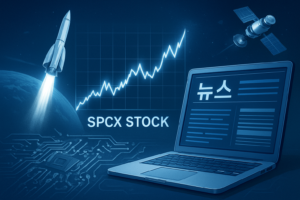
The recent rise in searches for spcx stock reflects more than curiosity about a ticker. It points to a broader investor question: how can retail investors understand the commercial space industry without getting lost in hype, defense headlines, or highly technical jargon? For Korean-speaking readers following U.S. markets, this matters because many English-language headlines compress complex themes into a few words—launch demand, satellite networks, defense contracts, and capital-intensive growth.

First, an important clarification: when people search spcx stock, they may be looking for exposure to the space economy rather than a single straightforward operating company. In practice, that interest often connects to a wider ecosystem of firms involved in launch services, satellite manufacturing, communications infrastructure, earth observation, aerospace components, and defense-adjacent technologies. That is why reading the headline alone is rarely enough. Investors need to understand what kind of exposure they are actually getting.

Why SPCX Stock Is Getting Attention

There are several reasons spcx stock can suddenly trend in U.S. search data. One is renewed excitement around the long-term “space economy” narrative. Another is news flow tied to rocket launches, satellite deployments, military modernization, or government procurement. A third reason is ETF-related interest: investors may be searching for a product or market theme that bundles multiple space-related names rather than betting on one company alone.

This is a key point for retail investors. A search trend does not automatically mean a simple investment thesis. In the space sector, price action can be influenced by macro conditions, interest rates, defense budgets, launch schedules, regulatory approvals, and even insurance costs. Some companies generate revenue today from communications or imagery contracts, while others are still pre-profit and valued mainly on future expectations.

What “Space Economy Exposure” Really Means

When investors talk about spcx stock exposure, they are often referring to one or more of the following business segments:

  • Launch ecosystem: rocket development, launch services, propulsion, and mission support.
  • Satellite business: satellite manufacturing, broadband constellations, earth observation, and data analytics.
  • Ground infrastructure: antennas, tracking systems, software, cybersecurity, and network integration.
  • Defense-adjacent technology: sensors, secure communications, navigation support, aerospace electronics, and dual-use systems.
  • Supply chain and components: specialty materials, semiconductors, avionics, and precision engineering.

The phrase “space economy” sounds futuristic, but much of the revenue opportunity is grounded in practical services. Satellite imagery supports agriculture, logistics, and disaster response. Secure communications matter for both civilian and defense customers. Launch capacity matters because more satellites require more deployment options. In other words, spcx stock interest often reflects a network of industrial and technology businesses, not just a science-fiction story.

Why Defense-Adjacent Themes Matter

One reason U.S. investors pay close attention to space-related names is the overlap between commercial innovation and national security demand. This does not mean every space company is a defense contractor. However, many firms operate in markets where government customers are significant, especially in communications resilience, remote sensing, tracking, and advanced aerospace systems.

For Korean readers, this overlap can be misunderstood if translated too literally. A headline about “defense exposure” may suggest direct weapons manufacturing, while in many cases the business is actually built around software, sensors, connectivity, or mission support. Understanding that nuance is essential when evaluating spcx stock or related ETFs and equities.

How to Read U.S. Financial Headlines More Accurately

If you see a sudden article or social-media post about spcx stock, review the source carefully. Ask the following questions:

  1. Is this about a stock, an ETF, or a broader theme? Search trends often blur the distinction.
  2. What triggered the move? Earnings, an SEC filing, a new contract, a launch announcement, or macro sentiment can all lead to different conclusions.
  3. Is the company profitable today? Some space-related firms have real recurring revenue; others depend heavily on future commercialization.
  4. How concentrated is the exposure? A single-name bet is very different from diversified thematic exposure.
  5. What does management actually say? Investor presentations may sound optimistic, but earnings calls and risk factors often provide a more balanced view.

This is especially important for Korean-speaking investors reading translated summaries online. A short summary may omit dilution risk, debt refinancing, customer concentration, launch delays, or regulatory uncertainty. Those details can materially change the investment case behind spcx stock.

Key Risks Retail Investors Should Review

Before reacting to momentum or trend-driven interest, retail investors should review the main risk categories associated with space-related investing:

  • Execution risk: technical delays, failed launches, manufacturing bottlenecks, and certification issues.
  • Capital intensity: many businesses require large upfront spending and may need repeated fundraising.
  • Government dependence: contract timing and policy shifts can affect revenue visibility.
  • Valuation risk: some names trade on long-dated expectations rather than current cash flow.
  • Liquidity and volatility: thematic names can move sharply on limited news.
  • Translation risk for global readers: subtle wording in filings or calls can change how risk is understood.

That last point deserves emphasis. For international investors, language is not a minor issue. A phrase in an SEC filing such as “may,” “expects,” “subject to,” or “material adverse effect” carries legal and financial meaning. Misreading those terms can lead to overconfidence.

ETF Interest and Related Stocks

Another reason spcx stock attracts attention is that many investors want targeted exposure without choosing a single winner. That leads naturally to ETFs and baskets of related stocks. But even here, investors should look beneath the label. Some funds are heavily weighted toward aerospace and defense incumbents. Others include communications, geospatial data, or industrial technology firms that only partially fit a “space pure-play” definition.

So when evaluating any SPCX-related product, ask: what percentage of holdings comes from true space-linked revenue? How much is in large established contractors versus emerging growth companies? How often is the index rebalanced? These questions matter more than a trend chart.

Why Better Interpretation Matters for Korean Readers

For Korean market participants, U.S. space and defense-tech coverage can feel unusually headline-driven. Terms like “moonshot,” “dual-use,” “backlog,” “payload,” or “commercial constellation” are not always translated in a way that captures business reality. Accurate interpretation helps investors separate promotional language from operational facts.

That is where professional bilingual research support becomes valuable. If you are reviewing an American company’s IR deck, earnings call transcript, shareholder letter, or SEC filing related to spcx stock, precise Korean-English interpretation can improve decision quality. It is not only about translating words; it is about conveying financial nuance, legal caution, and industry context.

Final Takeaway

The surge in interest around spcx stock is really a sign of broader curiosity about the U.S. space economy and its links to communications infrastructure, satellite services, launch systems, and defense-adjacent technology. For retail investors, the opportunity may be real—but so are the risks, especially when enthusiasm outruns business fundamentals.

Korean readers should treat U.S. market headlines as a starting point, not the final answer. Read beyond the ticker. Check whether the exposure is direct or thematic. Review earnings calls, SEC disclosures, and portfolio composition carefully.

If you need help interpreting U.S. corporate IR materials, earnings call transcripts, SEC filings, legal disclosures, or medical and technical terminology in Korean and English, koreaninterpreters.net provides professional translation and research support for high-stakes business communication. In fast-moving sectors like space, accuracy is part of due diligence.

한국어 버전

최근 미국에서 spcx stock 검색량이 늘어난 것은 단순한 종목 관심을 넘어, 우주산업 전반에 대한 투자자 호기심이 커졌다는 신호로 볼 수 있습니다. 특히 한국어 사용자 입장에서는 미국 기사 제목만 보고 투자 판단을 내리기 쉽지만, 실제로는 우주경제, 위성 서비스, 발사 인프라, 방산 인접 기술 등 여러 산업이 함께 얽혀 있는 경우가 많습니다.

먼저 중요한 점은 spcx stock이 항상 하나의 단순한 개별 기업을 뜻하는 것은 아니라는 것입니다. 많은 검색은 ‘우주산업에 어떻게 투자할 수 있는가’라는 질문과 연결됩니다. 즉, 발사 서비스 기업, 위성 제조사, 통신 인프라 업체, 지구관측 데이터 기업, 항공우주 부품사, 방산 관련 기술 기업 등 넓은 생태계에 대한 관심이 반영될 수 있습니다.

왜 SPCX Stock이 주목받는가

spcx stock이 급상승 검색어가 되는 이유는 보통 몇 가지입니다. 첫째, 장기 성장 테마로서의 우주경제 기대감입니다. 둘째, 로켓 발사, 위성 배치, 국방 예산, 정부 계약 같은 뉴스가 투자 심리를 자극할 수 있습니다. 셋째, ETF나 관련주 묶음에 대한 관심입니다. 개별 종목보다 테마형 상품을 찾는 투자자들이 많기 때문입니다.

다만 검색량 증가가 곧바로 명확한 투자 기회를 뜻하지는 않습니다. 우주 관련 종목은 금리, 정부 정책, 발사 일정, 기술 성공 여부, 자금 조달 환경에 크게 영향을 받습니다. 어떤 기업은 이미 매출을 내고 있지만, 어떤 기업은 아직 적자 상태에서 미래 기대만으로 평가받기도 합니다.

우주경제 노출도는 무엇을 의미하나

투자자들이 spcx stock 노출도를 말할 때는 보통 다음 영역을 포함합니다.

  • 발사 생태계: 로켓 개발, 발사 서비스, 추진 시스템, 미션 지원
  • 위성 비즈니스: 위성 제작, 브로드밴드 네트워크, 지구관측, 데이터 분석
  • 지상 인프라: 안테나, 추적 시스템, 소프트웨어, 사이버보안, 네트워크 통합
  • 방산 인접 기술: 센서, 보안 통신, 항법 지원, 항공우주 전자장비, 이중용도 기술
  • 부품·공급망: 특수 소재, 반도체, 항공전자, 정밀 가공

즉 우주경제는 막연한 미래 산업이 아니라, 실제 통신·관측·보안·데이터 서비스와 연결된 현실적인 산업 구조를 갖고 있습니다. 그래서 spcx stock 관심은 종종 하나의 로켓 기업이 아니라 산업 네트워크 전체에 대한 관심으로 해석해야 합니다.

개인투자자가 확인해야 할 위험

우주 관련 투자에는 다음과 같은 위험이 있습니다.

  • 실행 리스크: 기술 지연, 발사 실패, 생산 차질
  • 자본집약성: 대규모 선투자와 추가 자금 조달 필요성
  • 정부 의존도: 계약 일정과 정책 변화에 따른 실적 변동
  • 밸류에이션 부담: 현재 이익보다 미래 기대에 의존하는 주가
  • 높은 변동성: 뉴스 한 건에도 급등락 가능
  • 해석 리스크: SEC 공시나 실적발표 문구를 잘못 이해할 가능성

특히 마지막 항목은 한국 투자자에게 매우 중요합니다. 미국 SEC filing에서 쓰이는 “may,” “subject to,” “material adverse effect” 같은 표현은 단순 번역으로는 의미가 약하게 전달될 수 있지만, 실제로는 법적·재무적 경고 성격이 강합니다.

미국 금융 뉴스를 읽을 때 체크할 점

  1. 이슈가 개별주인지 ETF인지 확인하기
  2. 주가 움직임의 촉매가 무엇인지 보기 — 실적, 계약, 발사 일정, 공시, 거시환경
  3. 현재 실적이 있는 기업인지 확인하기
  4. 노출도가 집중형인지 분산형인지 보기
  5. 경영진 발언과 리스크 공시를 함께 읽기

짧은 요약 기사만 보면 희석 가능성, 부채 문제, 고객 집중도, 규제 변수 같은 핵심 내용이 빠질 수 있습니다. 따라서 spcx stock 관련 보도는 제목보다 원문 자료 확인이 중요합니다.

한국어 해설이 왜 중요한가

미국 우주·방산 관련 뉴스에는 “dual-use,” “backlog,” “payload,” “constellation”처럼 일반 번역만으로는 사업 의미가 충분히 전달되지 않는 표현이 많습니다. 이런 용어를 정확히 이해해야 홍보성 문구와 실질 사업 내용을 구분할 수 있습니다.

결국 spcx stock 열풍은 미국 우주경제와 방산 인접 기술에 대한 관심이 커졌다는 신호입니다. 그러나 개인투자자는 유행보다 사업 구조, 포트폴리오 구성, 공시 문구, 실적 발표 내용을 더 꼼꼼히 봐야 합니다.

koreaninterpreters.net은 미국 기업의 IR 자료, earnings call transcript, SEC filing, 법률·의료·기술 문서를 한영으로 정확하게 해석하고 번역하는 전문 지원 서비스를 제공합니다. 빠르게 움직이는 미국 시장일수록, 정확한 해석이 곧 리서치 경쟁력이 됩니다.

Erie Insurance Explained: How to Compare Auto & Home Coverage in the U.S. | Erie Insurance 완전정리: 미국 자동차·주택보험 비교와 보장 확인법

For many households in the U.S., insurance decisions are not just about price. They are about whether your policy will actually protect you after a car accident, storm damage, theft, or a liability dispute.

If you are comparing Erie Insurance with other carriers, start with the basics: a low premium is attractive, but the real value of a policy depends on coverage limits, exclusions, deductibles, and the insurer’s claims process. This is especially important for Korean-speaking clients, international families, and non-native English speakers who may sign policy documents without fully understanding key terms.

Core Insurance Terms You Should Know

Before requesting quotes, it helps to understand a few common U.S. insurance terms:

  • Premium: the amount you pay for the policy, usually monthly, semiannually, or annually.
  • Deductible: the amount you pay out of pocket before insurance starts paying on a covered claim.
  • Liability coverage: protection if you cause injury or property damage to others.
  • Collision coverage: pays for damage to your car after an accident, regardless of fault, subject to the deductible.
  • Comprehensive coverage: covers non-collision losses such as theft, vandalism, fire, or certain weather damage.
  • Claim: a formal request asking the insurer to pay for a covered loss.
  • Policy limit: the maximum amount the insurer will pay under a specific part of the policy.

When people search for Erie Insurance, they are often looking for auto insurance or homeowners insurance. In both categories, these terms matter more than many first-time buyers realize.

How to Compare Erie Insurance with Other Insurers

Do not compare insurers based on one number alone. Instead, review each quote side by side.

  1. Check the same coverage levels. One company may appear cheaper only because it offers lower liability limits or a higher deductible.
  2. Review optional endorsements. Roadside assistance, rental reimbursement, uninsured motorist coverage, water backup coverage, and personal umbrella coverage can significantly affect value.
  3. Ask about exclusions. Every policy has situations it does not cover. Homeowners insurance may exclude flood damage, while auto policies may limit coverage for rideshare use or commercial activity.
  4. Compare claims service. Price matters, but so does responsiveness after a loss. Ask how claims are reported, how long inspections take, and whether repair estimates can be disputed.
  5. Understand renewal risk. A low introductory premium may increase after a claim, address change, or underwriting review.

If you are researching Erie Insurance, use the same checklist for every insurer. That is the only fair way to compare policies.

What to Check in Policy Documents

Many costly problems happen because the customer relied on a summary or a verbal explanation instead of reading the policy language. Even if an agent is helpful, the written policy controls coverage.

Pay close attention to the following sections:

  • Named insured: Make sure the correct person or persons are listed.
  • Covered property or covered vehicle: Verify address, VIN, model, and usage details.
  • Coverage limits: Confirm bodily injury, property damage, dwelling, personal property, and loss-of-use limits.
  • Deductibles: Some policies have different deductibles for wind, hail, or comprehensive losses.
  • Exclusions and conditions: These define when the insurer may deny or reduce payment.
  • Duties after a loss: Policies often require prompt notice, documentation, cooperation, and recorded statements.

For non-native English speakers, this is where misunderstanding often begins. Words such as “actual cash value,” “replacement cost,” “subrogation,” or “reservation of rights” can be confusing even for fluent speakers. If you are unsure, a bilingual document review can help you understand what you are agreeing to before a dispute happens.

Common Language-Barriers for Korean-Speaking Clients

Korean-speaking policyholders often understand daily English well enough to buy insurance, but insurance disputes involve technical vocabulary, fast phone calls, and written statements with legal consequences.

Here are common situations where language support matters:

  • After a car accident: You may need to describe lane position, impact direction, injuries, weather, and police response clearly. A small wording mistake can affect liability evaluation.
  • During a recorded statement: An adjuster may ask detailed timeline questions. If the policyholder guesses instead of asking for clarification, the statement may later be used to challenge the claim.
  • Home damage claims: Water damage, mold, roof leaks, and storm losses often involve disputes over cause and timing. The exact meaning of your description matters.
  • Settlement discussions: If you do not fully understand repair estimates, depreciation, or release language, you may accept less than expected.

For this reason, clients searching for Erie Insurance or any other insurer should think beyond the quote. Communication quality can directly affect claim results.

How Non-Native English Speakers Can Avoid Coverage Misunderstandings

  1. Ask for written confirmation. If an agent explains coverage by phone, request an email summary.
  2. Do not assume similar words mean the same thing. “Full coverage” is not a legal term and may not include every type of loss.
  3. Review declarations and endorsements carefully. Small changes in endorsements can expand or restrict coverage.
  4. Use a professional interpreter for claims calls when needed. Accuracy matters more than speed.
  5. Translate key policy sections. Focus on limits, exclusions, duties after loss, and cancellation terms.
  6. Keep bilingual records. Save claim numbers, emails, repair invoices, photos, and summaries of phone calls.

This is where specialized language support becomes practical, not optional. Policy translation, claim-related interpretation, and bilingual document review can reduce confusion before it becomes a denial or underpayment issue.

When Translation and Interpretation Support Can Help

At koreaninterpreters.net, the most relevant insurance-related language needs often include:

  • Policy translation for auto, home, umbrella, and renter’s insurance documents
  • Claim-related interpretation for adjuster calls, recorded statements, repair discussions, and settlement conversations
  • Bilingual document review for declarations pages, denial letters, requests for information, and proof-of-loss forms
  • Legal and medical interpretation support when an insurance claim overlaps with injury treatment, liability disputes, or attorney communication

This support does not replace legal advice or insurance advice. It helps clients understand the language of the process so they can make informed decisions and communicate accurately.

Final Takeaway

Erie Insurance may be trending, but the bigger lesson applies to every insurer: compare policies carefully, read the documents closely, and do not let language barriers decide the outcome of your coverage or claim. A good premium matters, but understanding your deductible, liability limits, exclusions, and claim obligations matters just as much.

If you are a Korean-speaking client in the U.S., take extra care with policy wording, accident statements, and settlement documents. Clear bilingual communication can protect both your rights and your finances.

한국어 버전

Erie Insurance가 미국 실시간 검색 트렌드에 오르면서 자동차보험과 주택보험을 비교하려는 분들이 많아졌습니다. 하지만 보험은 단순히 견적이 싼지 비싼지만 보면 안 됩니다. 사고가 났을 때 실제로 어떤 보장을 받는지, 자기부담금은 얼마인지, 청구 절차에서 무엇을 제출해야 하는지가 더 중요합니다.

특히 미국 보험은 영어 약관 중심으로 운영되기 때문에, 한인 고객이나 영어 비원어민은 가입 단계에서는 이해했다고 생각해도 사고 처리 과정에서 큰 오해가 생길 수 있습니다. Erie Insurance를 포함해 어떤 보험사를 비교하든 기본 구조를 먼저 이해하는 것이 중요합니다.

미국 보험의 핵심 용어

  • Premium: 보험료입니다. 매월 또는 매년 납부합니다.
  • Deductible: 자기부담금입니다. 사고 발생 시 보험사가 지급하기 전에 가입자가 먼저 부담하는 금액입니다.
  • Liability: 타인에게 입힌 신체 상해나 재산 피해에 대한 책임 보장입니다.
  • Collision: 자동차 충돌 사고로 내 차가 손상됐을 때 적용되는 보장입니다.
  • Comprehensive: 도난, 화재, 우박, 파손 등 비충돌 손해를 보장합니다.
  • Claim: 보험금 청구 절차를 뜻합니다.
  • Policy limit: 보험사가 지급하는 최대 한도입니다.

이 용어들은 Erie Insurance뿐 아니라 대부분의 미국 보험 상품을 이해하는 데 기본이 됩니다.

보험사 비교 시 꼭 볼 항목

  1. 같은 조건으로 비교하기: 어떤 보험사가 더 저렴해 보여도 보장 한도가 낮거나 deductible이 높으면 실제 조건은 다를 수 있습니다.
  2. 특약 확인하기: 렌터카 비용, 긴급출동, 무보험차 보장, 우산보험 등의 포함 여부를 확인해야 합니다.
  3. 면책 조항 보기: 모든 보험은 보장하지 않는 상황이 있습니다. 예를 들어 주택보험은 홍수를 제외하는 경우가 많습니다.
  4. 청구 서비스 비교하기: 사고 후 연락 속도, 조사 방식, 수리비 협의 절차도 매우 중요합니다.
  5. 갱신 시 보험료 변동 확인: 첫해는 저렴해도 사고 후 크게 오를 수 있습니다.

약관에서 반드시 확인할 부분

보험 가입 시 상담사의 설명만 믿고 넘어가면 나중에 문제가 생길 수 있습니다. 실제 보장은 서면 약관이 기준입니다.

  • 피보험자 이름: 이름이 정확한지 확인
  • 차량·주택 정보: 주소, 차량번호, 사용 목적 등이 맞는지 확인
  • 보장 한도: 대인, 대물, 주택, 동산 보장 한도 확인
  • 자기부담금: 항목별 deductible이 다른지 확인
  • 면책 및 조건: 어떤 경우 지급 거절이 가능한지 확인
  • 사고 후 의무: 즉시 통보, 사진 제출, 진술 협조 등의 요구사항 확인

특히 “replacement cost”, “actual cash value”, “reservation of rights” 같은 표현은 영어가 익숙한 사람도 혼동하기 쉽습니다. 이런 부분은 이중언어 문서 검토가 큰 도움이 됩니다.

한인 고객이 자주 겪는 언어 장벽

실제 사고 처리에서는 일상 영어보다 훨씬 복잡한 표현이 사용됩니다.

  • 자동차 사고 진술: 차선 위치, 충돌 방향, 속도, 경찰 출동 여부를 정확히 설명해야 합니다.
  • Recorded statement: 보험사 조정인이 시간 순서와 세부사항을 묻는데, 애매하게 답하면 나중에 불리하게 작용할 수 있습니다.
  • 주택 손해 청구: 누수, 곰팡이, 폭풍 피해는 원인과 시점 설명이 매우 중요합니다.
  • 보상 협의: 감가상각, 수리 견적, 합의 문구를 정확히 이해하지 못하면 예상보다 적은 금액에 합의할 수 있습니다.

그래서 Erie Insurance 같은 보험사를 찾을 때도 단순 견적보다 “사고 후 내가 정확히 소통할 수 있는가”를 함께 생각해야 합니다.

비원어민이 오해를 줄이는 방법

  1. 전화 설명은 반드시 이메일이나 문서로 다시 받아두기
  2. “full coverage” 같은 모호한 표현을 그대로 믿지 않기
  3. declarations page와 endorsement를 꼼꼼히 확인하기
  4. 청구 통화 시 필요하면 전문 통역사 활용하기
  5. 핵심 약관을 번역해 두기
  6. 사고번호, 사진, 수리비, 통화 내용 메모를 이중언어로 보관하기

통번역 지원이 필요한 순간

koreaninterpreters.net과 같은 전문 서비스는 다음과 같은 상황에서 실질적인 도움이 될 수 있습니다.

  • Policy translation: 자동차보험, 주택보험, 렌터보험 약관 번역
  • Claim-related interpretation: 조정인 통화, 사고 진술, 수리비 협의 통역
  • Bilingual document review: 보장 요약서, 지급 거절 통지서, 추가 서류 요청서 검토
  • 법률·의료 통역 연계: 인명 피해, 병원 치료, 변호사 상담이 연결되는 경우 지원

이런 지원은 법률 자문을 대신하는 것은 아니지만, 보험 절차의 언어를 정확히 이해하고 실수를 줄이는 데 매우 유용합니다.

마무리

Erie Insurance가 화제가 되고 있지만, 핵심은 어느 보험사든 약관을 정확히 읽고 비교하는 것입니다. 보험료만 보지 말고 deductible, liability, exclusions, claim 절차까지 함께 확인해야 합니다.

특히 한인 고객은 약관 번역, 사고 진술 통역, 보상 서류 이중언어 검토를 통해 언어 장벽으로 인한 손해를 줄일 수 있습니다. 보험은 가입보다 사고 후 대응이 더 중요하다는 점을 꼭 기억해 두시기 바랍니다.