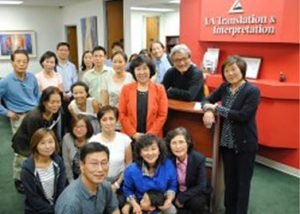
Author: admin

Hidden complexities of Korean-English translation

Bridging the Cultural Chasm: The Hidden Complexities of Korean-English Translation

Translation is frequently misunderstood as a mechanical process—a simple matter of swapping a word in Language A for its equivalent in Language B. In reality, language is an extension of culture, tightly bound to the history, social structures, and psychology of the people who speak it. When the languages in question are English and Korean, the task of the translator becomes immensely sophisticated.

Separated by geography, historical trajectories, and fundamental philosophical worldviews, the United States and Korea possess cultures that are, in many ways, diametrically opposed. The United States is generally characterized by individualism, egalitarianism, and direct communication. South Korea, heavily influenced by centuries of Confucian philosophy, values collectivism, strict social hierarchies, and indirect, context-heavy communication. When a translator attempts to bridge these two worlds without an intimate, lived understanding of both cultures, the result is rarely just a grammatical error; it is a profound mistranslation of intent, tone, and meaning.


The Linguistic Architecture of Culture: Korean vs. American Worldviews

To understand the pitfalls of translation between Korean and English, one must first look at how the two cultures view social relationships and the self.

American Individualism and Egalitarianism

American culture places a premium on the individual. In the English language, this manifests as a highly democratic structure. Whether you are speaking to a billionaire CEO, a biological parent, a judge, or a toddler, you address them as “you.” The linguistic playing field is flat. Communication is expected to be explicit, clear, and direct. If an American means “no,” they prefer to say “no.”

Korean Hierarchies and Collectivism

Korean society operates on a deeply embedded hierarchical structure rooted in Neo-Confucianism. Relationships are strictly defined by age, social status, job title, and intimacy. The Korean language reflects this through an incredibly complex system of honorifics (jondetmal) and speech levels. There are at least seven distinct speech styles, though four are most common in modern daily life.

Furthermore, Korean is a high-context language where the collective “we” (uri) frequently replaces “my.” A Korean will say uri anae (“our wife”) or uri jip (“our house”), reflecting a worldview where the individual is inseparable from the group. In this environment, communication is highly indirect. Preserving social harmony (hwahap) and saving face (chemyon) are paramount; thus, a direct “no” is frequently avoided in favor of nuanced, contextual cues.


When American Translators Miss the Korean Context

When a native English speaker translates from Korean into English, standard fluency in vocabulary and syntax is insufficient. If the translator lacks an intuitive grasp of Korean social dynamics, they risk flattening the text, stripping it of its emotional weight, or misinterpreting character dynamics entirely.

1. The Erasure of Honorific Hierarchy

In a Korean text, the specific pronouns, titles, and verb endings characters use tell the reader exactly where everyone stands in the social pecking order. If a younger sibling addresses an older brother as hyeong, or a woman addresses her older male partner as oppa, these words carry distinct cultural scripts of affection, dependency, and respect.

Consider a scene where a corporate subordinate speaks to a manager (bujang-nim). The subordinate uses highly formal, deferential language, while the manager uses casual, downward speech (banmal).

  • The Mistranslation: An American translator relying strictly on a dictionary might translate both characters’ dialogue into standard American English, using “you” for both parties.

  • The Consequence: By failing to find creative English equivalents to signal this power dynamic—such as altering the choice of vocabulary, using titles, or adjusting the formality of sentence structures—the translator erases the subtle corporate tension, making the subordinate sound inappropriately familiar or the manager sound uncharacteristically polite.

2. Misreading “Nunchi” and Indirect Refusals

One of the most difficult cultural concepts to translate is nunchi, which roughly translates to the ability to gauge other people’s feelings, desires, and the hidden social atmosphere of a room. Because of nunchi, Korean dialogue is often tightly wrapped in subtext.

  • The Example: A character invites a colleague out for dinner. The colleague replies, “Ayo, joado dainhaeyo… geunde oneul jibe irei jom isseoseo.” (Literally: “Oh, sounds great… but I have some things at home today.”) To a Korean reader using nunchi, this is an explicit, polite rejection. They know the speaker has no intention of going out.

  • The Mistranslation: An American translator who does not understand the absolute weight of this indirect refusal might translate it literally and add an American spin to subsequent dialogue, implying the character might show up later or genuinely wishes they could go.

  • The Consequence: The translator misses the structural reality that a polite excuse in Korea is a hard boundary, leading to an inaccurate portrayal of the character’s intentions.


When Korean Translators Miss the American Context

Conversely, when native Korean translators translate American English into Korean, their deep-seated cultural instinct to categorize relationships hierarchically can warp the egalitarian nuance of the original American text.

1. Forcing Hierarchy onto Egalitarian Relationships

Because standard Korean cannot easily function without choosing a level of politeness, a Korean translator handling an American novel or film must make an arbitrary choice: Who speaks in honorifics (jondetmal) and who speaks casually (banmal)?

  • The Example: Imagine an American film featuring a married couple or a pair of romantic co-leads of roughly the same age. In English, they speak with total linguistic equality.

  • The Mistranslation: Frequently, traditional gender norms or slight age differences prompt Korean translators to have the female character speak to the male character in honorifics (jondetmal), while the male character responds to her in casual speech (banmal).

  • The Consequence: This completely alters the dynamic of the relationship. What was originally written as a partnership of equals is transformed in translation into a traditional, mildly patriarchal hierarchy. The American subtext of mutual independence is lost, replaced by a cultural dynamic native to Korea but alien to the source material.

2. Sarcasm, Irony, and Hyperbole

American humor and casual conversation heavily rely on deadpan sarcasm, self-deprecation, and dramatic hyperbole.

  • The Example: An American worker walks into an office during a minor inconvenience and says, “Well, this is the absolute best day of my life.” * The Mistranslation: A Korean translator unfamiliar with the cultural ubiquity of deadpan irony might take the statement literally or translate it into an overly formal Korean idiom.

  • The Consequence: The character appears bizarrely optimistic or detached from reality, rather than characteristically cynical. Similarly, phrases like “I’m going to kill him” spoken lightly by an annoyed American parent or friend can be translated with a level of literal severity that alarms a Korean audience, completely missing the casual hyperbole of American English.


Shared Blind Spots: Idioms and Historical Trauma

Beyond structural grammar and social dynamics, both sets of translators frequently stumble over idioms, pop-culture metaphors, and historical contexts that do not have an equivalent across the Pacific.

Source Culture Concept / Phrase The Literal Mistranslation The True Cultural Meaning
American “To hit a home run” / “Monday morning quarterback” Translating literally into baseball/football terms for a Korean audience. Achieving a massive success / Someone who criticizes a decision after the outcome is already known.
Korean Han (한) “Sadness” or “Regret” A unique cultural collective grief, oppression, and unresolved resentment born from Korea’s history of foreign invasion and division.
Korean Jeong (정) “Love” or “Affection” A sticky, deep socio-emotional bond of mutual obligation, empathy, and collective care that grows over time between people, places, or things.

When a Korean translator keeps American sports idioms literal, a Korean reader—who may not follow American football culture—is left entirely confused. Conversely, when an American translator reduces a complex Korean emotional state like han or jeong to simple Western psychological terms like “sadness” or “warmth,” they strip the text of its deep historical and emotional resonance.


Conclusion: The Ideal Translator as a Cultural Amphibian

The difficulties inherent in Korean-to-English and English-to-Korean translation prove that mastery over words is only half the battle. To translate accurately, one must be a cultural amphibian, perfectly at home breathing the air of both societies.

An American translator must train themselves to see the invisible lines of hierarchy, deference, and collectivism that dictate Korean life, learning to read what is left unsaid in the white space of a sentence. A Korean translator must learn to let go of the instinct to categorize every relationship into a vertical slot, embracing the flat, direct, and often ironic landscape of American individualism.

Ultimately, great translation does not seek to hide the differences between Korea and the United States. Instead, it illuminates them, allowing readers on both sides of the ocean to look through a clear window into another world, rather than staring at a distorted reflection of their own.
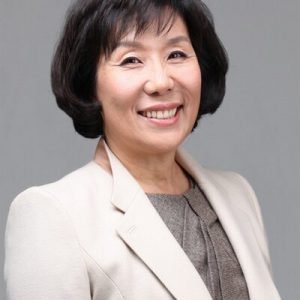

Korean interpreter in Los Angeles

The Architecture of Understanding: How Dr. Junhui Joo Bridged a Linguistic Divide

Korean certified translator Dr. Joo

The distance between the Korean and English languages is a vast linguistic and cultural chasm—as wide as the physical distance from London to Seoul. Bridging this gap requires more than simple vocabulary replacement; it demands a complete cognitive restructuring. Because Korean is a Subject-Object-Verb (SOV) language and English is a Subject-Verb-Object (SVO) language, the word order is completely inverted. Furthermore, the deep cultural nuances, intricate honorific systems, and divergent societal norms mean that humor, irony, and subtext rarely translate literally. It is precisely why Korean people often find it hard to laugh at American jokes and vice versa, and why finding a truly accurate Korean translator is one of the most difficult challenges in the global language services industry today.

To achieve true mastery across this divide, a translator must be a master of both worlds. Conventionally, this requires a monumental educational commitment: either 12 years of foundational education in Korea followed by at least 6 years of studying and working in an English-speaking country, or the exact reverse. It demands an innate linguistic aptitude—a lifelong passion for reading and writing—and an unyielding professional dedication to truthful communication.

In the United States, few individuals embody this rigorous standard quite like Dr. Junhui Joo, a master translator, interpreter, and entrepreneur whose life journey spans the pinnacle of Korean academia, American higher education, and the founding of one of Southern California’s premier language agencies.


The Academic Foundation: From Seoul to the American Academy

Dr. Joo’s path to becoming a central figure in the Korean-English translation landscape was forged through a lifelong trajectory of academic excellence. Born in Seoul, South Korea, she demonstrated exceptional linguistic and academic aptitude from an early age. She graduated with top grades from Duksoo Elementary School—at the time, one of the most prestigious foundational schools in the capital—before moving on to the elite Kyunggi Girls’ High School and ultimately Seoul National University (SNU).

Immediately after graduating with honors from SNU’s highly competitive Department of International Relations, Dr. Joo left Korea at the age of 23 to pursue her graduate studies in the United States. She successfully earned both her M.A. and Ph.D. in Politics, a field requiring an advanced command of complex systemic structures, rhetoric, and political theory in English. This rigorous training led her into the American academy, where she served as an Assistant Professor at Emory University in Atlanta, Georgia.

Following her tenure at Emory, she returned to Korea, married, and continued her academic career, earning a tenured professorship at Asia United Christian University, where she taught for eight years. However, her journey with the United States was far from over. Her entire family eventually immigrated to the U.S., and she became a naturalized U.S. citizen. While lecturing at an American university, Dr. Joo decided to pivot her profound linguistic skills toward a new challenge: she successfully passed the rigorous examinations to become a State of California Court Certified Interpreter, laying the groundwork for her true entrepreneurial calling.


The Origins of a Passion: Language as a Sanctuary

To understand Dr. Joo’s transition from political science professor to language pioneer, one must look to her childhood, where language and literature served as both a sanctuary and a source of deep joy.

“I grew up in a family where my parents couldn’t communicate with each other well,” Dr. Joo reflects. “They were the most loving parents, but when they got into arguments, they would never listen to each other but kept on repeating their own positions over and over again. I love making communications better so that people can understand each other.”

Faced with the repetitive friction of her parents’ disagreements, the young Junhui found peace by immersing herself in the written word.

“One way to be happy and content was to immerse in my own world of reading instead of worrying about their conflicts and differences,” she says. “I started reading books since I was 5 years old, and read 50 books during the summer vacation of my fourth grade in elementary school. I read most of the world literature in junior high school, and started reading English novels in high school.”

For Dr. Joo, foreign languages were never a chore to be memorized; they were a source of aesthetic fascination and happiness. She vividly recalls the first time she ever encountered the Western alphabet:

“My uncle was living with us, and he was a student at Korea University studying law. When I saw the alphabet in his book, it was so beautiful and it was so fascinating to pen write it.”

This visual fascination was soon paired with an auditory one. She found herself captivated by American pop music, listening to English songs constantly—even while studying.  It was also one of her favorite passtime to watch American movies.  This organic, immersive relationship with the English language made her eventual evolution into a master interpreter feel entirely natural.


From Training Institute to Global Language Powerhouse

Driven by her passion for clear communication and recognizing a severe shortage of qualified bilingual professionals in the legal and medical sectors, Dr. Joo founded the L.A. Institute of Translation and Interpretation. Originally established as a professional school, the institute was designed to provide rigorous, structured training for aspiring court and medical interpreters, mimicking the high standards she had appreciated throughout her academic life.

To complement the school and provide real-world opportunities for its graduates, she established a subsidiary company, L.A. Translation and Interpretation, Inc. However, the demand for high-quality language services in Southern California and beyond quickly outpaced the educational arm of the organization. As the commercial enterprise grew larger than the school, it was formally incorporated as an independent entity.

Today, L.A. Translation and Interpretation, Inc. has expanded far beyond its original Korean-English focus. Under Dr. Joo’s leadership, the company has provided professional language services in more than 200 languages from around the globe. This includes not only major international languages of commerce but also rare and exotic languages such as Hmong and Amharic, serving diverse immigrant communities and complex legal networks across the United States.


The Joy of Connection

For Dr. Joo, running a massive language enterprise brought a surprising sense of personal fulfillment that traditional academia could no longer match.

“I found myself enjoying managing a business in the U.S. more than enjoying the life of a college professor,” Dr. Joo explains.

While the life of a tenured professor offers isolated intellectual comfort, the fast-paced world of translation and interpretation provides immediate, tangible human impact. Every document translated and every deposition interpreted represents a broken barrier, a resolved dispute, or an illuminated truth.

Ultimately, Dr. Joo’s work remains tied to the core motivation of her childhood: the desire to resolve the frustration of miscommunication. Whether she is managing a network of hundreds of translators or personally working on a text, the core mission remains unchanged.

“It makes me happy when I translate a book or interpret,” she says, “because I know I helped someone to communicate and understand better.”

In a world where language can so easily divide, professionals like Dr. Junhui Joo ensure that meaning is preserved, proving that with enough dedication, the vast distance between two cultures can be bridged.

Korean Translation Services in the U.S.

Korean translator

Bridging the Linguistic Chasm: The Reality of Korean Translation Services in the United States

The distance between the Korean and English languages is not merely a matter of geographical miles; it is a vast linguistic and cultural chasm as wide as the physical distance from London to Seoul. In an increasingly interconnected global economy, where South Korea stands as a titan of technology, entertainment, and commerce, the demand for professional Korean translation services in the United States has reached unprecedented heights. Yet, beneath the booming market lies a complex reality: finding a truly accurate, competent Korean translator is one of the most difficult challenges in the language services industry today.

To understand why high-quality Korean translation is so rare, one must look past simple vocabulary replacement and examine the deep structural, cultural, and psychological barriers that separate these two world languages.


The Linguistic Divide: Opposite Worlds and Untranslatable Humor

The fundamental barrier to accurate Korean-English translation begins with syntax. English is a Subject-Verb-Object (SVO) language, whereas Korean is a Subject-Object-Verb (SOV) language. In practice, this means the word order is almost completely inverted. An English speaker states the action early (“I bought a book at the store yesterday”), while a Korean speaker reserves the verb for the very end of the sentence. For a translator, this requires a complete cognitive restructuring of information, pulling the end of a thought forward or pushing the beginning to the back without losing the original emphasis or intent.

Beyond structural mechanics lie profound cultural nuances that dictate how meaning is constructed. Korean is a high-context, deeply hierarchical language heavily influenced by Confucian values. It features an intricate system of honorifics and speech levels (jondetmal versus banmal) that shift depending on the age, social status, and relationship between the speakers. English, by contrast, is relatively low-context and egalitarian in its grammatical structure.

This cultural divergence explains why humor is notoriously difficult to translate. American jokes, which often rely on wordplay, subverted expectations, or individualistic sarcasm, frequently fall flat among native Korean speakers. Conversely, Korean humor, which is deeply rooted in shared cultural contexts, situational ironies, and linguistic nuances specific to societal norms, rarely translates well to an American audience. When an average translation service attempts to bridge this gap literally, the humor evaporates, leaving behind confusion. A true translator cannot just translate words; they must translate the collective consciousness of a society.


The Formula for Mastery: Two Paths to True Bilingualism

Because the languages are so radically different, mastering both to a professional standard is an monumental task. True mastery cannot be achieved through short-term immersion, language apps, or a college minor. It requires a lifetime of dual-cultural education and professional exposure.

In the professional translation industry, an expert Korean-English translator generally must fulfill one of two rigorous educational trajectories:

Path A: The Korean-Educated Professional

This path requires an individual to complete at least 12 years of primary and secondary education in South Korea, establishing a flawless, native foundation in the nuances of the Korean language, literature, and societal context. Following this, they must spend at least 6 years pursuing higher education and working professionally in the United States or another major English-speaking country. This ensures they master the idiomatic, corporate, and structural realities of the English language in a native environment.

Path B: The U.S.-Educated Professional

Conversely, a translator may complete at least 12 years of education within the American school system, absorbing the linguistic agility, cultural references, and structural formats native to the U.S. To achieve professional translation competency, they must then spend at least 6 years studying and working directly in South Korea. This long-term immersion allows them to grasp the rapid evolution of contemporary Korean society, business terminology, and cultural etiquette.

Foreign languages are notoriously difficult to master at a professional level. Without this combined 18-year minimum of dual-hemisphere education and real-world integration, a translator will inevitably struggle with the subtle undertones that define high-level legal, medical, and corporate communication.


The Critical Pillars of an Exceptional Korean Translator

Even with the necessary years of education, not every bilingual individual possesses the capability to be a successful translator. True excellence in the field relies on specific cognitive aptitudes and a strict ethical compass.

1. Linguistic Aptitude and a Passion for the Written Word

A great translator must possess an innate aptitude for language that goes beyond conversational fluency. They are individuals who have historically achieved top scores in foreign language and literature modules throughout their academic journeys. More importantly, they must possess a deep passion for reading and writing books. Translation is, at its core, a form of authorship; an exceptional translator must be an elite writer in their target language, capable of manipulating syntax, tone, and rhythm to mirror the elegance of the source text.

2. Unyielding Professionalism and Dedication to Truth

The third and most vital attribute is an absolute dedication to accurate and truthful translation. In fields like federal litigation, patent law, or medical diagnostics, a minor error is not just a grammatical flaw—it can result in a failed multi-million-dollar corporate merger, the loss of a patent, or a misdiagnosed medical condition. A professional translator approaches their work with a sense of stewardship, researching industry-specific terminology and maintaining complete fidelity to the original text without introducing personal bias or cutting corners.


The Current State of Translation Services in the U.S.

Today, the market for Korean translation in the United States is navigating a transitional phase. Major metropolitan hubs with large Korean-American populations—such as Los Angeles, New York, and Atlanta—serve as centers for this specialized work.

The scope of what these translators handle has expanded dramatically:

  • The Corporate and Industrial Expansion: With massive South Korean conglomerates investing billions of dollars in electric vehicle, semiconductor, and clean energy manufacturing plants across the U.S., translators are constantly working on technical manuals, safety protocols, and cross-border joint venture contracts.

  • The Entertainment Explosion: The global popularity of Korean media (Hallyu) has created an unprecedented demand for subtitling, localization, and creative translation that preserves the emotional weight and humor of Korean scripts for American viewers.

  • Legal and Regulatory Compliance: Cross-border litigation requires the meticulous translation of millions of pages of internal corporate discovery documents, emails, and technical schematics, where accuracy is paramount.

The Illusion of Machine Translation

As artificial intelligence and machine translation tools proliferate, some businesses mistakenly believe that human translators are becoming obsolete. However, the unique distance between English and Korean means that automated tools regularly fail when faced with complex texts. AI frequently misinterprets the missing pronouns in Korean sentences, completely misses the context of honorific speech, and distorts legal and technical jargon.

While technology serves as a valuable tool for organizing glossaries and accelerating workflows, the human translator remains the indispensable gatekeeper of truth and accuracy.


Conclusion

Finding an accurate Korean translator in the United States remains a difficult task because the prerequisite skills are so demanding. It requires a rare combination of nearly two decades of dual-country education, an innate literary aptitude, and a profound professional commitment to truth. As the economic and cultural alliance between the United States and South Korea continues to deepen, the individuals who possess these rare traits will remain essential, serving as the definitive human bridges over a vast linguistic ocean.

Korean certified interpreter Dr. Junhui Joo

Korean interpreters in the United States

The Evolving World of Korean Interpreters in the United States: Who They Are and What They Do Today

The landscape of language access in the United States is undergoing a profound transformation, and at the heart of this shift is the Korean interpreting community. Once primarily viewed as a transactional bridge for first-generation immigrants navigating basic civic life, Korean interpreters today operate as highly specialized professionals working at the intersection of international diplomacy, cutting-edge technology, complex legal frameworks, and critical healthcare systems.

As the Korean-American population grows more diverse and South Korea’s global economic and cultural influence reaches unprecedented heights, the demand for skilled Korean interpreters has skyrocketed. Here is a look at who these professionals are, the specialized environments they operate in, and how they are redefining their roles in the modern era.


Who Are Today’s Korean Interpreters?

The demographic and professional profile of Korean interpreters in the U.S. has shifted significantly over the last few decades. Historically, interpreting duties often fell informally upon bilingual family members or community volunteers. Today, the field is dominated by highly trained professionals who possess near-native fluency in both languages, deep cultural competence, and rigorous specialized certifications.

Modern Korean interpreters generally fall into three distinct profiles:

  • First-Generation Professionals: Individuals born and raised in South Korea who completed their higher education or specialized interpretation training before moving to the U.S., or who attended prestigious Graduate Schools of Translation and Interpretation (GSTI) in the States (such as the Middlebury Institute of International Studies at Monterey).

  • 1.5 and Second-Generation Korean-Americans: Individuals who grew up fully bilingual and bicultural in the United States. Armed with an innate understanding of American institutional systems and a nuanced grasp of Korean cultural behavioral norms, they bridge the cultural divide as naturally as the linguistic one.

  • Returnees and Global Citizens: A growing cohort of professionals who have spent significant portions of their lives moving between Seoul and major U.S. metropolitan hubs like Los Angeles, New York, and Washington D.C., giving them an exceptional grasp of contemporary slang, corporate jargon, and societal trends in both nations.

Regardless of their background, what unites today’s practitioners is a commitment to continuous professionalization. They hold credentials from bodies such as the National Center for State Courts (NCSC), the Certification Commission for Healthcare Interpreters (CCHI), or the U.S. Department of State.


What They Are Doing These Days: Key Sectors of Impact

The daily work of a Korean interpreter in the U.S. varies wildly depending on their area of specialization. Rather than just repeating words from one language to another, they act as cognitive athletes, executing simultaneous or consecutive interpretation under immense pressure.

1. High-Stakes Corporate and Technology Jurisprudence

South Korea is a global titan in technology, automotive manufacturing, and entertainment. Consequently, corporate litigation between U.S. and South Korean firms has become a massive arena for legal interpreters.

From intellectual property and patent disputes involving semiconductor giants to antitrust lawsuits and international trade arbitrations, Korean legal interpreters spend days or weeks inside federal courts, deposition rooms, and international arbitration forums. In these environments, an interpreter must not only understand legal terminology but must also be intimately familiar with engineering schemas, chemical formulas, or complex financial structures. A single mistranslation of a technical term in a deposition can alter the course of a multi-million-dollar lawsuit.

2. The Transnational Corporate Boom

Beyond the courtroom, interpreters are embedded in the corporate boardrooms of Korean conglomerates (Chaebols) expanding their footprints across the American Sunbelt and Rust Belt. With massive investments in electric vehicle (EV) battery plants, solar energy manufacturing, and automotive facilities across states like Georgia, Alabama, Tennessee, and Ohio, interpreters are working on the ground daily.

They facilitate communication between South Korean executives, American engineers, local government officials, and construction crews. These interpreters are essential for workplace safety compliance, technical training, and labor relations, effectively driving the economic integration of these multi-billion-dollar projects.

3. Healthcare and Patient Advocacy

In areas with dense Korean-American populations—such as Southern California, northern New Jersey, and metropolitan Atlanta—healthcare interpretation remains a vital lifeline. The elderly Korean-American population relies heavily on certified medical interpreters to navigate complex medical systems.

Today’s medical interpreters do far more than facilitate routine doctor visits. They interpret during complex oncology consultations, psychiatric evaluations, and emergency surgeries. With the rise of genomic medicine and specialized therapeutics, modern medical interpreters must constantly update their knowledge of pharmacology and medical technology to ensure accurate informed consent and patient safety.

4. Cultural Diplomacy and the “K-Wave”

The meteoric rise of the Hallyu (Korean Wave) has opened up a highly visible, fast-paced sector for Korean interpreters: the entertainment and media industry. Whether it is film directors at the Academy Awards, K-pop groups appearing on late-night American talk shows, or gaming executives at major esports tournaments, interpreters are working behind the scenes and on live television.

This type of media interpreting requires a unique skillset. The interpreter must match the tone, charisma, and emotional energy of the speaker while instantly converting culturally specific humor, idioms, and industry slang into natural, engaging English or Korean under the gaze of millions of viewers.


Current Trends and Challenges Shaping the Profession

The profession is not without its hurdles. Like all language professionals, Korean interpreters are currently navigating structural changes driven by technology and shifting global dynamics.

The Remote Work Revolution

The COVID-19 pandemic permanently altered the interpreting landscape by accelerating the adoption of Remote Simultaneous Interpretation (RSI) platforms. Today, a Korean interpreter based in Los Angeles can interpret for a diplomatic summit in Washington D.C. in the morning and a corporate deposition in Seoul in the evening, all from a specialized home studio.

While RSI offers unprecedented flexibility and eliminates travel time, it also brings challenges. Interpreters must contend with “auditory fatigue,” poor audio quality from participants, and the lack of physical cues that are crucial for seamless communication.

Navigating the Age of Artificial Intelligence

The elephant in the room for any modern language professional is the rapid advancement of generative AI and machine translation. However, the sentiment among top-tier Korean interpreters is one of adaptation rather than fear.

Because Korean is a high-context language where subject pronouns are frequently omitted, honorifics dictate social hierarchy, and meaning relies heavily on emotional subtext and non-verbal cues, AI drastically struggles with real-time Korean-English interpretation. Today’s interpreters are using AI as a powerful preparation tool—utilizing it to ingest massive volumes of corporate glossaries and technical data before a assignment—while relying on their human intuition, cultural agility, and empathy to deliver the flawless nuance that machines simply cannot replicate.

The Shortage of Certified Talent

Despite the high demand, there is a looming shortage of highly qualified, certified Korean interpreters in the U.S., particularly in the legal and medical sectors. The pipeline for certified court interpreters is notoriously rigorous, with passing rates for state and federal exams hovering in the single digits. As veteran interpreters look toward retirement, the industry is actively seeking ways to mentor and recruit the next generation of bilingual professionals into formal training programs.


Conclusion

Korean interpreters in the United States are far more than passive conduits of language; they are strategic partners in global commerce, essential protectors of civil and human rights, and cultural ambassadors on the world stage. As the ties between the United States and South Korea grow deeper across geopolitical, economic, and cultural spheres, these professionals will continue to stand at the center of the conversation, ensuring that nothing is lost in translation.

Fate of North Korean Supreme Leader Kim Jung-un’s interpreters

The hazardous nature of serving as a senior official under North Korean Supreme Leader Kim Jong-un is a well-documented facet of modern geopolitics. However, few incidents highlight the volatile, high-stakes nature of the regime’s inner workings like the aftermath of the failed February 2019 summit in Hanoi, Vietnam, between Kim Jong-un and then-U.S. President Donald Trump. While the breakdown of the denuclearization talks stunned international observers, the internal repercussions within Pyongyang were far more severe. Among those swept up in the subsequent wave of blame and ideological purges were the regime’s diplomatic negotiators and, most notably, Kim Jong-un’s personal interpreters.

The political vulnerability of translators in authoritarian regimes is exemplified by the reported persecution of Shin Hye-yong, the primary English-language interpreter for Kim Jong-un during the critical moments of the Hanoi summit. This incident provides insight into the immense psychological strain, structural paranoia, and lethal stakes associated with linguistic mediation at the highest levels of a totalitarian state.


The Catalyst: The Collapse of the Hanoi Summit

To understand the persecution of Kim Jong-un’s linguistic staff, one must analyze the geopolitical weight of the Hanoi summit. Following the relatively successful optics of the 2018 Singapore summit, the North Korean leadership approached the 2019 meeting with immense confidence. State media had carefully primed the North Korean public and elite to expect a significant diplomatic victory—specifically, the lifting of crippling economic sanctions in exchange for partial steps toward decommissioning the Yongbyon nuclear facility.

Instead, the summit concluded in an abrupt, highly publicized collapse. President Trump walked away from the negotiating table, citing North Korea’s refusal to commit to complete denuclearization while demanding comprehensive sanctions relief. The sudden “no deal” outcome was an unprecedented embarrassment for Kim Jong-un, whose absolute authority rests on the myth of political infallibility. In the unique ideological ecosystem of North Korea, the Supreme Leader cannot make a strategic error. Therefore, any catastrophic diplomatic failure must be retroactively attributed to the incompetence, ideological corruption, or outright treason of subordinates.


The Specific Charges Against the Interpreter

In the immediate wake of the Hanoi failure, South Korean intelligence agencies and media outlets, including the prominent daily newspaper Chosun Ilbo, began detecting signs of a massive internal purge within the North Korean Foreign Ministry. While high-level negotiators like special envoy Kim Hyok-chol were reportedly targeted for execution or hard labor, Kim’s personal interpreter, Shin Hye-yong, faced a distinct and highly specific set of accusations.

Shin was reportedly detained and sent to a political prison camp (known as a kwanliso) shortly after returning to Pyongyang. The primary charges leveled against her included:

  • Undermining the “Supreme Dignity”: In North Korean legal and political rhetoric, any action that diminishes the prestige or authority of Kim Jong-un is treated as a capital offense. Shin was accused of clouding the Leader’s authority by failing to convey the precise nuance and strength of his position during the fast-paced, unscripted moments of the dialogue.

  • A Fatal Translation Mistake: Diplomatic sources indicated that as President Trump prepared to exit the negotiation room, Kim Jong-un attempted to make a last-minute, unscripted compromise offer regarding sanctions and nuclear sites. Shin, operating under extreme psychological pressure, reportedly hesitated or failed to translate the offer before the American delegation walked out.

  • Ideological Failure: By missing this critical window, Shin was framed not merely as having made a technical error, but as having committed an act of political negligence that directly sabotaged North Korea’s strategic objectives.


The Systemic Vulnerability of Authoritarian Translators

The persecution of Shin Hye-yong underscores a structural dilemma unique to interpreters serving absolute dictators. In a democratic or standard diplomatic context, a translation error can be corrected, clarified, or managed through subsequent memos and diplomatic channels. In North Korea, however, the interpreter is not viewed merely as a linguistic conduit, but as an extension of the leader’s voice.

This environment creates several distinct hazards for the professional:

1. The Trap of Literalism vs. Nuance

An interpreter must constantly choose between translating words literally or capturing the underlying cultural and political intent. When translating for Kim Jong-un, a literal translation might sound overly aggressive or nonsensical to a foreign leader, while a softened, diplomatic translation could be interpreted by North Korean minders as watering down the Supreme Leader’s resolute stance. Interpreters are effectively forced to navigate an impossible middle ground where pleasing their immediate boss could mean misinforming the foreign counterpart, and vice versa.

2. The Absence of Structural Protection

Unlike professional interpreters in international bodies like the United Nations, who are protected by institutional frameworks and standardized protocols, a North Korean interpreter operates under the constant threat of state security surveillance. Every word, pause, and facial expression is recorded and later scrutinized by the State Security Department to assess the interpreter’s ideological purity.

3. The Scapegoat Dynamic

When high-stakes negotiations fail, dictators rarely accept responsibility. The structural hierarchy requires a scapegoat to shield the leader from blame. Because interpreters are present during the most intimate, unscripted interactions between world leaders, they are uniquely positioned to be blamed for “miscommunicating” a position that was, in reality, simply rejected on its merits by the opposing party.


Contextualizing the Purge: A Pattern of Brutality

The treatment of the Hanoi summit staff is consistent with a long-standing pattern of violent purges utilized by Kim Jong-un to consolidate power and enforce absolute discipline among the North Korean elite. Since ascending to power in late 2011, Kim has routinely deployed execution, imprisonment, and demotion as standard political tools.

Notable Target / Group Date Stated Reason / Context Outcome
Jang Song-thaek (Kim’s Uncle) December 2013 Factionalism, corruption, and counter-revolutionary activities. Executed via firing squad; wiped from state media records.
Hyon Yong-chol (Defense Chief) May 2015 Disrespect; reportedly dozing off during a military event. Executed publicly with an anti-aircraft gun.
Kim Yong-jin (Vice Premier) August 2016 Bad posture and disrespect during a parliamentary session. Executed by a firing squad.
Hanoi Diplomatic Staff (Envoys & Interpreters) Spring 2019 Failure of the Trump-Kim Summit; alleged espionage/incompetence. Multiple reported executions, forced labor, and imprisonments.

This systematic use of extreme punishment serves a dual purpose. First, it immediately eliminates potential alternate power centers or dissenting voices within the regime. Second, it instills a profound sense of terror among surviving officials, ensuring that no subordinate dares to question, alter, or delay an order issued by the Supreme Leader. For an interpreter, this means that a single nervous stumble or missed word can be reinterpreted post-facto as a deliberate act of treason.


Conclusion: The Ultimate Cost of Proximity to Power

The reported imprisonment of Shin Hye-yong highlights the grim reality of life within the upper echelons of the North Korean regime. Proximity to the Supreme Leader offers immense privilege, access to scarce resources, and high social status within Pyongyang’s rigid hierarchy. However, that same proximity carries an existential risk.

In the case of the Hanoi summit, the failure was fundamentally political—a mismatch of strategic goals between Washington and Pyongyang that no amount of linguistic brilliance could have reconciled. Yet, because the regime cannot permit the narrative of a flawed strategy by Kim Jong-un, the blame was forced downward. The persecution of his interpreters remains a stark reminder that under a totalitarian dictatorship, the line between an elite state official and a political prisoner is razor-thin, often separated by nothing more than a single, high-pressure second of translation.

The Guardians of Due Process: The Critical Role, Systemic Challenges, and Certification Rigor of Korean Court Certified Interpreters in the United States

The Guardians of Due Process: The Critical Role, Systemic Challenges, and Certification Rigor of Korean Court Certified Interpreters in the United States

Korean interpreters

Introduction: The Constitutional Mandate of Legal Interpretation

The fundamental bedrock of the American judicial system relies on a single, uncompromising principle: equal justice under the law. However, for justice to be truly equal, it must first be understood. In a legal landscape where liberty, familial rights, and financial survival hang on the precise definition of a single word, language barriers pose an immediate threat to constitutional rights.

Under the Fifth, Sixth, and Fourteenth Amendments to the U.S. Constitution, any individual who stands as a defendant in criminal proceedings has an absolute right to be meaningfully present at their hearings and trials. Meaningful presence requires far more than mere physical attendance; it demands that the defendant comprehensively understand the accusations, the testimony of witnesses, and the interactions of the court. Consequently, it is paramount that everything a non-English speaking individual says and hears is communicated with meticulous, unyielding accuracy.

To bridge this linguistic chasm, the court system relies on the specialized expertise of court certified interpreters. Far from being a luxury or a simple administrative accommodation, these highly skilled bilingual professionals serve as the human conduits of due process. Recognizing this critical need, many states across the U.S. have established rigorous court interpreter systems designed to recruit, vet, and provide certified language experts who can perform under the high-stress conditions of judicial proceedings. Among these specialized professionals, Korean Court Certified Interpreters occupy a vital role, serving one of the fastest-growing and economically influential immigrant communities in the nation.

The U.S. Court Interpreter Framework: A Multistate System Overview

The United States does not possess a singular, centralized administration for state court interpreting services. Instead, individual states govern their own legal systems, leading to a decentralized matrix of rules, certifications, and structural availability. To standardize testing and professional guidelines across these varying jurisdictions, the National Center for State Courts (NCSC) manages the Consortium for Language Access in the Courts. Most major states utilize NCSC-developed written and oral examinations to assess a candidate’s aptitude, though the regulatory enforcement and classification categories differ vastly from state to state.

California

California stands as the historic pioneer of language access legislation, enacting laws that require stringent professional standards and explicit certification procedures as early as 1978. Administered by the Judicial Council of California’s Court Interpreters Program (CIP), the state explicitly designates fourteen languages—including Korean—as “certified spoken languages.” California’s model is heavily formalized, maintaining a public statewide registry known as the Master List of Certified Court and Registered Interpreters. Under California law, courts are strictly mandated to provide certified interpreters at no cost to court users across both criminal and civil matters.

New York

Operating under the New York State Unified Court System, the state employs a multi-tiered structural categorization that divides linguists into “Eligible,” “Qualified,” and “Certified” classifications. Given the massive cultural diversity of the New York metropolitan area, the state relies on strict screening processes. However, while Spanish is heavily institutionalized, New York relies extensively on a combination of staff court interpreters and per-diem freelance contractors to fulfill the ongoing demands of Asian languages, including Korean.

Texas and Florida

Both states feature highly structured administrative setups managed by state-level offices (the Texas Corporate Office of Court Administration and the Florida Office of the State Courts Administrator). Due to geographic demographics, these state infrastructures are predominantly optimized for Spanish language access. While they provide paths for NCSC-consortium certification in languages like Korean, the institutional infrastructure, localized training programs, and available pipeline for certified Korean linguists are significantly sparse compared to their Spanish-speaking counterparts.

The Demographic Crisis: Korean Court Interpreters by the Numbers

Despite the robustness of the legislative framework on paper, a profound and troubling disparity exists between the demographic reality of Korean Americans and the available pool of certified legal interpreters.

According to data compiled across the U.S. court systems and language metrics reports, the number of certified Korean court interpreters is critically low. In the State of California—home to the largest concentration of Korean immigrants in the Western world—there are only about 60 court certified interpreters actively registered on the Judicial Council’s Master List. Across other major states like New York, Texas, Virginia, and Georgia, the numbers drop into single digits or low double digits per state, leaving an estimated total workforce of fewer than 150 certified Korean court interpreters across the entire United States.

+———————————————————————–+

|                U.S. Korean Court Interpreter Landscape                |

+———————————————————————–+

|  Korean American Population:   ~2.0 Million Nationwide                |

|  Certified California Pool:    ~60 Active Interpreters                |

|  Estimated Nationwide Pool:    <150 Total Active Certified Linguists  |

+———————————————————————–+

When contrasted against the population metrics, the statistical deficit becomes alarming. There are nearly 2 million Korean Americans living in the United States, with a substantial portion residing in major metropolitan areas like Los Angeles, Orange County, New York City, and Atlanta. For California’s roughly one million Korean American residents, having a pool of only 60 certified professionals means that the system is perpetually stretched to its absolute limit.

This scarcity poses a systemic barrier to fair representation. When a certified Korean interpreter is unavailable, courts are frequently forced to issue continuances, delaying the administration of justice and prolonging the detention of pre-trial defendants. In worse scenarios, courts may resort to “provisionally qualified” or uncertified bilingual individuals, increasing the catastrophic risk of misinterpretation, omitted evidence, and wrongful convictions.

Decoding the Blueprint: Examination Requirements for Certification

Becoming a certified court interpreter is an extraordinary intellectual hurdle. It requires a level of linguistic precision that far exceeds everyday bilingual fluency or standard conversational capabilities. To understand the exact parameters of this professional threshold, we can look directly to the strict testing protocols established by the Judicial Council of California (courts.ca.gov), which sets the gold standard for the nation.

To gain credentialed status as a Korean Court Certified Interpreter, a candidate must successfully pass a two-phase examination sequence consisting of a comprehensive Written Examination and a punishing Bilingual Interpreting Examination (BIE).

[ Prospective Candidate ]

┌───────────────────────────┐

│    Written Examination    │ ──(Requires ≥ 80% to Pass)

└───────────────────────────┘

┌───────────────────────────┐

│   Oral Examination (BIE)  │ ──(Requires ≥ 70% per mode)

└───────────────────────────┘

├─► Simultaneous Interpreting

├─► Consecutive Interpreting

└─► Sight Translation

[ Certified Credential ]

  1. The Written Examination

The written test serves as an initial structural filter to evaluate a candidate’s formal mastery of the English language, legal terminology, and professional ethics. Candidates must achieve a scaled score of 80% or higher to pass. The exam systematically evaluates:

  • English Language Vocabulary and Idioms: Advanced synonyms, antonyms, and contextual word placement.
  • Court-Related Terminology: Knowledge of legal procedures, criminal charges, civil terminology, and common courtroom vernacular.
  • Professional Conduct and Ethics: Scenarios testing the candidate’s understanding of neutrality, confidentiality, and the limits of the interpreter’s role.
  1. The Bilingual Interpreting Examination (BIE)

Upon passing the written segment, candidates advance to the oral performance exam, which tests real-time execution across both English and Korean. The BIE does not merely test what an interpreter knows; it evaluates how they perform under cognitive stress. Candidates must score a 70% or higher on each individual section in a single sitting. The exam is divided into the three core modes of judicial interpretation:

  1. Simultaneous Interpreting

The interpreter listens to a continuous stream of speech in one language through headphones and immediately speaks the translation into a microphone in the target language. The speaker does not stop. This requires the linguist to process incoming information while concurrently outputting previously processed data, accounting for the drastically different grammatical structures of English and Korean (such as English Subject-Verb-Object vs. Korean Subject-Object-Verb positioning).

  1. Consecutive Interpreting

Typically used during witness testimonies or direct interrogations, the speaker utters a segment of speech, pauses, and allows the interpreter to render the text into the alternate language. This mode tests advanced memory retention, specialized note-taking methodologies, and absolute fidelity to the original tone and register.

  1. Sight Translation

The candidate is handed a complex legal document written in one language (e.g., a constitutional rights waiver or a police report) and must read it silently before immediately rendering it aloud fluently into the target language without long pauses, stumbling, or structural hesitation.

The Role of KoreanInterpreters.net: Maintaining Ethical Excellence

In an environment plagued by an acute shortage of certified professionals and an exceptionally high barrier to entry, private sector stewardship is vital to preserving judicial integrity. Since 2003, KoreanInterpreters.net has stood at the absolute forefront of this niche field, serving as a trusted bridge between the legal system and the Korean-American community.

For over two decades, the organization has dedicated its operations to resolving the chronic deficit of qualified legal linguists by maintaining a premier network of Korean court certified interpreters. Recognizing that state certification is simply the baseline minimum of competence, KoreanInterpreters.net implements an exhaustive, independent screening framework. Every interpreter within their network is meticulously vetted not only for their mechanical linguistic accuracy across simultaneous and consecutive modes but also for their strict adherence to the Legal Code of Professional Ethics.

By filtering out individuals who lack the specialized emotional control, technical legal vocabulary, and absolute neutrality required for high-stakes litigation, the organization protects law firms, corporate entities, and public defense agencies from the liability of poor interpretation. Whether handling complex intellectual property depositions, cross-border corporate arbitrations, or sensitive criminal defense trials, their systemic curation ensures that the constitutional promise of due process remains intact for every Korean speaker interfacing with the American rule of law.


The Vanguard of Cross-Cultural Communication: The Evolution and Imperative of Professional Korean Translation Services

The Vanguard of Cross-Cultural Communication: The Evolution and Imperative of Professional Korean Translation Services

Language is far more than a tool for basic information exchange; it is the living vessel of a nation’s history, psychology, and societal norms. When bridging two vastly different linguistic ecosystems—such as English, a Germanic language built on low-context, direct expression, and Korean, an Altaic-influenced, high-context language steeped in complex honorifics and emotional subtext—the margin for error expands exponentially.

In the global marketplace of ideas, commerce, and law, inadequate translation does not just result in awkward phrasing; it actively derails high-stakes litigation, jeopardizes billion-day corporate mergers, and isolates communities. To explore the reality of this industry, one must look at its global capital in the West—Los Angeles—and the pioneering work of figures like Dr. Junhui Joo, founder of L.A. Translation and Interpretation, Inc. and its specialized division, koreaninterpreters.net.

Los Angeles: The Global Hub for Korean Linguistic Excellence

It is an established demographic reality that Los Angeles County is home to the largest concentration of Koreans outside of the Korean Peninsula itself, boasting a vibrant, deeply rooted population of approximately one million Korean individuals. This massive diaspora has created a unique linguistic ecosystem. Los Angeles is not merely a geographic settlement; it is a booming economic, cultural, and legal epicenter where Korean and American interests interface daily.

Naturally, this high density of bilingual commerce has cultivated the absolute best Korean translation services in the world. The city serves as a incubator for top-tier linguistic talent, where professional translators are regularly exposed to the evolving nuances of both contemporary South Korean vernacular and Western corporate and legal terminologies.

The Genesis of an Industry Leader: The Dr. Junhui Joo Story

Every major linguistic institution is built upon a foundation of deep personal dedication. For L.A. Translation and Interpretation, Inc., that foundation was laid in 2003 by Dr. Junhui Joo. Dr. Joo’s journey into the realm of professional linguistics was shaped by an early, multifaceted obsession with language and a profound personal desire to facilitate human connection.

[Early Obsession with 8 Languages] ➔ [Valedictorian Academic Track] ➔ [Top-Tier Global Professorships] ➔ [Founding of L.A. Translation (2003)]

A Youth Consumed by Language

“I spent my youth reading Korean books, and I scored top in every language class I took including Korean, English, German, French, Russian, Chinese, Japanese, and later Spanish in my life,” Dr. Joo recalls. This rare, polyglot appetite gave her an early structural understanding of how different cultures organize thought.

This academic drive was fueled by a poignant observation within her own childhood home. Her parents, though deeply loving, struggled immensely with communication. When arguments arose, they frequently failed to truly listen to one another, choosing instead to repetitively reassert their own positions. Reflecting on this, Dr. Joo notes:

“I wanted them to learn to communicate. I am still trying to help people communicating with each other even though they use different languages.”

The Academic Ascent and the American Struggle

This internal mission propelled Dr. Joo through a stellar academic career, graduating as valedictorian consistently from elementary school all the way through college. “I was in my own world reading books and wanted to become a writer,” she states. After completing her undergraduate studies at South Korea’s most prestigious institution, Seoul National University, she moved to the United States, eventually acquiring both an M.A. and a Ph.D. from the State University of New York at Buffalo.

Despite her academic pedigree, the transition to native-level English fluency was remarkably challenging. Her love for the language had sparked at a young age:

“I always loved English. I learned the alphabet from my uncle and already knew how to read English in elementary school. My idol when I was 12 years of age was the British singer Cliff Richard, and watching his movies over and over again and listening to his songs over and over again made me score better in English than anyone else in my country.”

Yet, arriving in the United States at age 23, she faced the sobering reality shared by many brilliant immigrants: academic text fluency does not automatically translate to conversational or lecture-hall comprehension. Piercing through the speed, idioms, and varied accents of native spoken English was an intense personal struggle.

From the Lecture Hall to the Courtroom

Dr. Joo conquered these barriers so thoroughly that she ascended to a professorship at Emory University in Atlanta, Georgia—an institution frequently heralded as the “Harvard of the South.” The achievement required an extraordinary work ethic. “I studied nine hours for a one-hour lecture, typed up and memorized my lecture, and I was scared I might not understand what the student was asking,” she recalls.

After spending her youth striving to master English like a native, she later returned to South Korea, teaching as a university professor for eight years. During this tenure, an undeniable pattern emerged: “While I was a professor in Korea, there always was more demand for my translation service than for my research in my major field of international relations.”

The corporate and legal sectors recognized that her unique background—combining absolute Korean academic mastery with high-level American analytical training—made her an elite linguistic asset. Upon returning to the United States, now married with two sons, Dr. Joo began working as a state court-certified Korean interpreter while balancing local college lecturing.

The Birth of L.A. Translation and High-Stakes Corporate Battlegrounds

In 2003, Dr. Joo founded L.A. Translation and Interpretation, Inc. seamlessly paired with its digital arm, koreaninterpreters.net. Initially, the enterprise was structured as a state- and federally-approved school designed to train the next generation of court- and medically-certified interpreters. However, the market’s desperate need for premium translation services altered the company’s trajectory; the practical service subsidiary grew at an astronomical pace, rapidly eclipsing the school itself.

The corporate and legal worlds quickly realized that L.A. Translation possessed the infrastructure to handle massive, ultra-sensitive international operations.

Landmark Legal and Military Portfolios

The agency was thrust into some of the most high-profile international legal battles and government defense initiatives of the 21st century. The firm anchored the complex linguistic demands for historic corporate litigations, including:

  • DuPont vs. Kolon: A multi-million dollar trade secret dispute requiring meticulous analysis of industrial documents.
  • Ericsson vs. Samsung: High-stakes patent infringement wars involving highly technical telecommunication blueprints.

Beyond the courtroom, the agency managed massive defense contracts and geopolitical projects, such as translating the highly confidential Boeing RFP (Request for Proposal) for fighter planes and technical documentation for Raytheon submarines.

Executing these massive assignments required mobilizing teams of up to 40 certified Korean translators working day and night to meet unforgiving federal and corporate deadlines. The administrative burden of maintaining quality control was immense. “Sometimes I was working on my desk for 72 hours non-stop, not having a minute to lie down or close my eyes, because I had to edit translations by 40 translators, which were full of mistakes,” Dr. Joo reveals.

The Terrifying Reality of the 20% Error Margin

Dr. Joo’s grueling editing sessions exposed a systemic, often hidden crisis within the language services industry: the prevalence of mediocrity.

According to Dr. Joo, a significant portion of standard commercial Korean translations circulating in the market are only about 80% accurate. While an 80% score might be acceptable in a casual conversation or a basic text message, a 20% inaccuracy rate in an official document is an absolute hazard.

“It is scary to think how people are communicating with 20% inaccuracy. It is scary to think that there are only a few Korean translators who can translate 99% accurately. It means we are living in the world of miscommunication and mistranslation.”

Impact Sector The Hazard of a 20% Error Margin
Intellectual Property / Patents Can invalidate a patent filing, costing corporations millions in stolen R&D.
Civil & Criminal Litigation Mistranslating a single phrase or verb tense can lead to false admissions or throw out key evidence.
Military & Aerospace RFPs Technical errors regarding specifications can disqualify a multi-billion dollar bid or compromise defense safety.


The AI Frontier: Efficiency vs. The Unattainable 1% of Human Intuition

The discussion surrounding Korean translation services cannot ignore the rapid advancement of Artificial Intelligence. Dr. Joo acknowledges the massive technological leaps the industry has taken. A decade ago, raw machine translation hovered around a chaotic 20% accuracy rate. Today, powered by advanced deep-learning neural networks, AI has become incredibly efficient—particularly in highly structured, standardized fields like formulaic medical reports or baseline scientific data.

However, the final, critical miles of translation remain entirely out of reach for machine algorithms.

[Raw Legal/Literary Text] ➔ [AI Engine: Processes Literal Data] ➔ [Human Instinct: Resolves Culture, Tone, & Ambiguity] ➔ [99-100% Accurate Execution]

Where AI Fails: Context, Culture, and Law

When confronted with highly complex legal documentation, multi-layered contracts, or delicate literature like poetry and novels, AI consistently stumbles. It lacks the capacity for context tracking and emotional comprehension. It cannot grasp historical subtext, regional idioms, or the strategic ambiguity often utilized by lawyers in contract drafting.

“As long as AI cannot create life, it cannot catch up with human intuition in delicate language and culture context,” Dr. Joo asserts. “Korean translation services would always require human translators, who are better than AI’s in terms of intuitive understanding of language.” While modern human translators can—and should—leverage AI as a tool to increase workflow efficiency, completely relying on unedited machine outputs is a recipe for operational failure.

Conclusion: The 23-Year Legacy of koreaninterpreters.net

In an era where many agencies prioritize quick turnarounds and automated shortcuts, koreaninterpreters.net under the stewardship of L.A. Translation and Interpretation, Inc. remains steadfastly committed to absolute precision.

Over a 23-year history, the organization has meticulously screened, vetted, and consolidated the absolute best Korean linguistic minds across the globe. By pairing modern technological tools with the irreplaceable nuance of elite human intellect, they continue to chase the elusive standard of 100% accuracy and deep cultural sensitivity. In a world full of linguistic static and 20% errors, they ensure that your voice, your brand, and your legal rights are communicated properly.